Imran Khan asked to leave India: What rights do OCI cardholders have?
Source Entity
SAURABH THAKUR
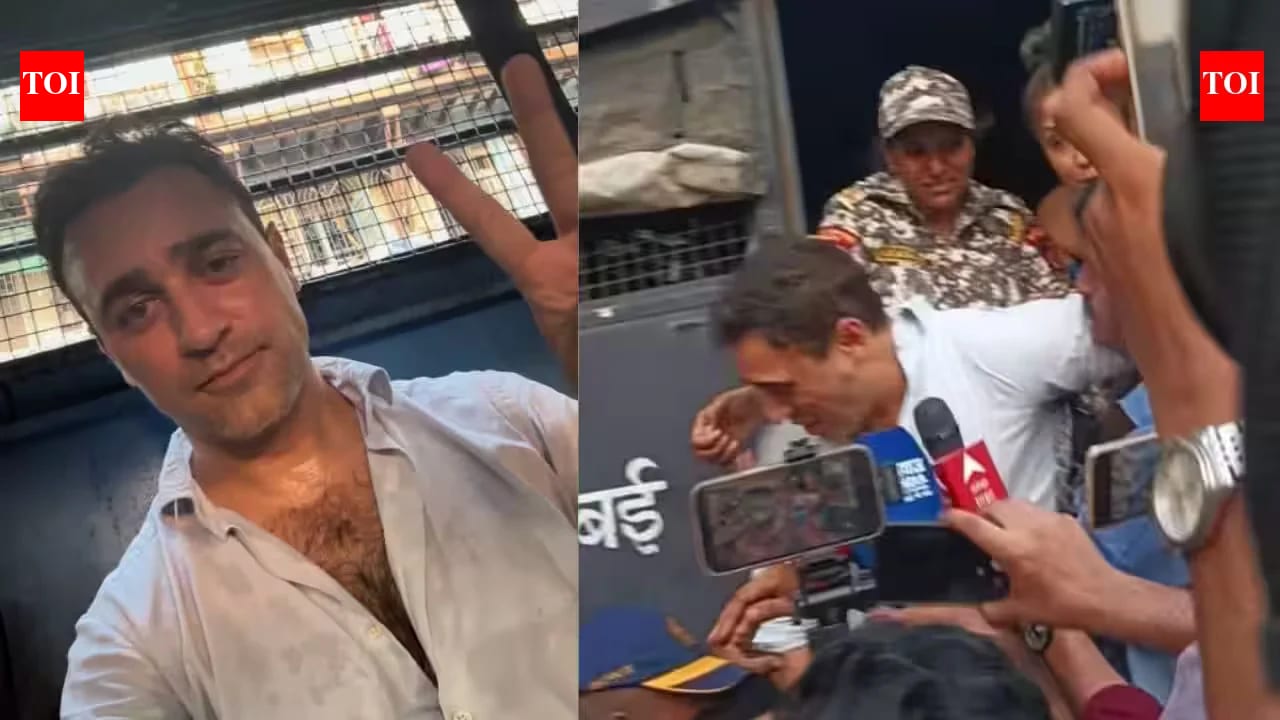
Actor Imran Khan, a US citizen and OCI cardholder, has been ordered by the FRRO to leave India by October 28. This action follows his detention during an anti-CEC protest in Mumbai, which triggered a complaint regarding visa regulation violations.
Legal Implications of OCI Participation in Political Protests
The recent directive issued by the Foreigners Regional Registration Office (FRRO) in Mumbai, ordering actor Imran Khan to depart India by October 28, highlights the complex intersection of immigration status and political activism. As an American national holding an Overseas Citizen of India (OCI) card, Khan’s involvement in the anti-Chief Election Commissioner (CEC) protests at August Kranti Maidan has triggered a strict enforcement of the Foreigners Act. This development serves as a stark reminder of the limitations placed on foreign nationals regarding political engagement within Indian territory.
The Legal Basis for the FRRO Notice
The core of the controversy lies in the conditions attached to the OCI status. While the OCI scheme grants lifelong visa-free travel and residency rights to people of Indian origin, it does not confer the full political rights of Indian citizenship. By participating in a protest calling for the resignation of CEC Gyanesh Kumar, authorities allege that Khan breached the provisions of the Foreigners Act. The complaint, formally lodged by BJP leader Kirit Somaiya at the Gamdevi police station, specifically targeted the actor’s active role in the demonstration, which was deemed a violation of the permissible activities for non-citizens.
Historical and Political Context
August Kranti Maidan, the site of the protest, is a historically significant venue known for its role in the Quit India Movement. Its selection as a protest site carries heavy symbolic weight. When Khan, a high-profile public figure and nephew of Aamir Khan, joined the demonstration on October 10, his presence drew significant media attention. His subsequent detention by Mumbai Police and the swift issuance of the FRRO notice underscore the government's heightened sensitivity regarding the involvement of foreign nationals in domestic political movements, particularly those directed at constitutional bodies like the Election Commission of India.
Regulatory Scrutiny and Future Trends
This incident is expected to set a precedent for how the Ministry of Home Affairs and the FRRO monitor the political conduct of OCI holders. The case signals a trend toward more stringent oversight of foreign nationals who maintain deep social and professional roots in India but remain subject to immigration laws. Moving forward, public figures with foreign passports will likely face increased scrutiny regarding their participation in public discourse. The legal proceedings following this notice will likely clarify the extent to which OCI holders can exercise freedom of speech without jeopardizing their residency status.
Concluding Summary
The directive for Imran Khan to leave India by the end of October marks a pivotal case in the governance of foreign residents. It reinforces the reality that political participation—specifically protests against government institutions—is a domain reserved for Indian citizens. As the legal timeline for his departure approaches, the case will continue to be a focal point for debates regarding the rights of the Indian diaspora and the boundaries of political expression for those holding foreign citizenship.