Texas judge overturns reservoir permit that could flood over 16,000 ranch acres
Source Entity
TOI WORLD DESK
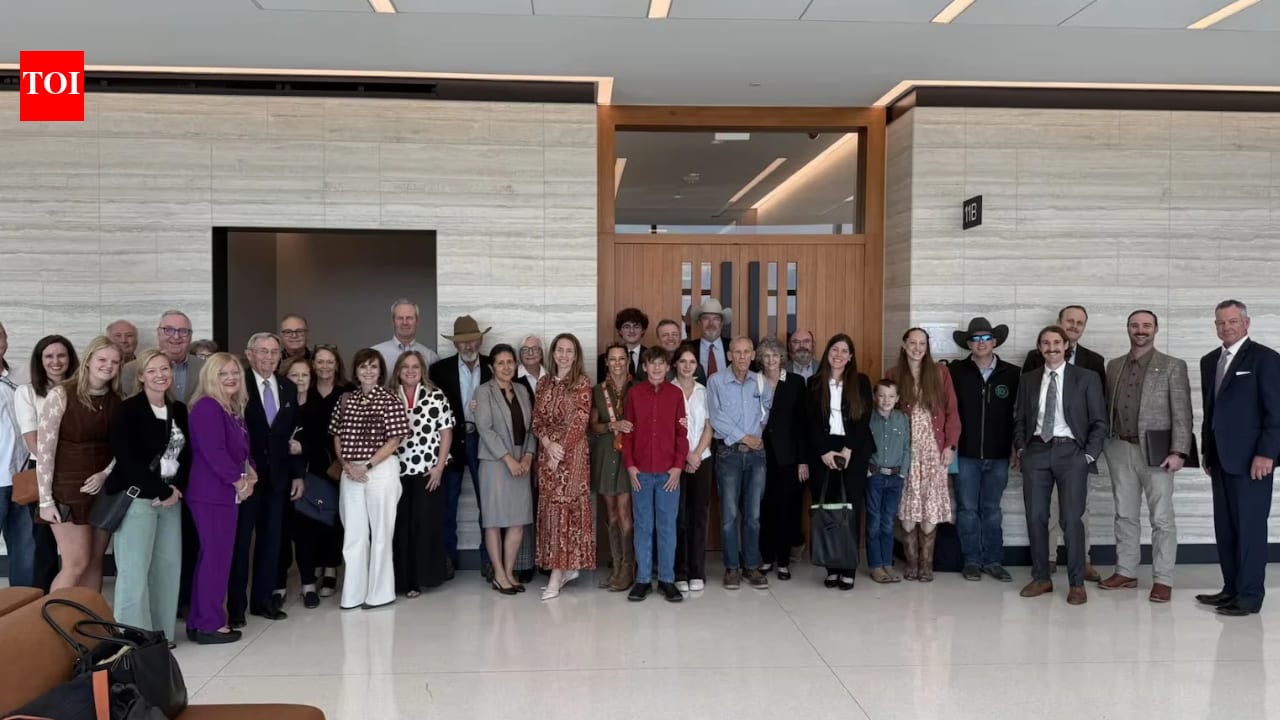
A Texas judge has overturned the state permit for the proposed Lake Ringgold reservoir, citing significant concerns from local ranchers and conservationists. The ruling creates a major hurdle for Wichita Falls' efforts to expand its regional water supply.
The Legal Challenge to Lake Ringgold
On October 8, 2026, Travis County District Judge Maya Guerra Gamble issued a landmark ruling that invalidated the state-issued permit for the Lake Ringgold reservoir project. This decision represents a pivotal moment in a long-standing dispute between municipal water planners in Wichita Falls and a coalition of local ranchers and conservationists. The project, which was designed to inundate over 16,000 acres of land in Clay County, has been under intense scrutiny for years due to its potential impact on private property rights and local ecosystems.
Protecting Property Rights and Ecosystems
The opposition to the Lake Ringgold project has been spearheaded by groups such as the Texas & Southwestern Cattle Raisers Association and the Texas Conservation Alliance. These organizations have argued that the reservoir would not only displace established agricultural operations but also cause irreparable harm to the regional environment. By flooding such a vast expanse of land, the project threatened to disrupt local wildlife habitats and agricultural productivity, turning a quiet rural landscape into a massive industrial water storage facility.
The Infrastructure vs. Conservation Tug-of-War
This case highlights the growing tension in Texas between the necessity of developing robust water infrastructure and the preservation of private land. As urban centers like Wichita Falls seek to secure long-term water supplies to accommodate population growth and climate unpredictability, they often clash with rural stakeholders who view such projects as an encroachment on their livelihoods. This judicial ruling reinforces the legal requirement for municipal projects to meet high standards of environmental impact and public necessity before seizing or transforming private land.
Wichita Falls and the Path Ahead
Following the court's decision, the city of Wichita Falls faces a precarious situation. While city officials have expressed their intention to appeal the ruling, the path forward remains uncertain. The loss of the current permit forces the city to re-evaluate its water security strategy, which may involve expensive legal battles or the exploration of alternative, less disruptive water management solutions. The city’s next moves will be critical in determining whether they can secure their water future without continuing to alienate their rural neighbors.
Broader Implications for Water Security
This ruling serves as a bellwether for future water infrastructure projects throughout the United States. As water scarcity becomes a more pressing concern in arid regions, the legal precedents established in this case regarding permitting and land use will likely influence how other municipalities approach water development. The victory for the ranchers in Clay County suggests that local opposition, when organized and legally supported, remains a potent force capable of halting even the most ambitious municipal infrastructure plans.
Conclusion
The overturning of the Lake Ringgold permit is more than a local legal victory; it is a signal that the era of unfettered infrastructure expansion is facing increased scrutiny. As Wichita Falls considers its appeal, the broader debate over how to balance municipal water needs with the sanctity of private land and environmental conservation will continue to dominate the discourse in North Texas and beyond.