Poland looks to economic heights in a country transformed since Soviet days
Source Entity
Richard Partington in Warsaw
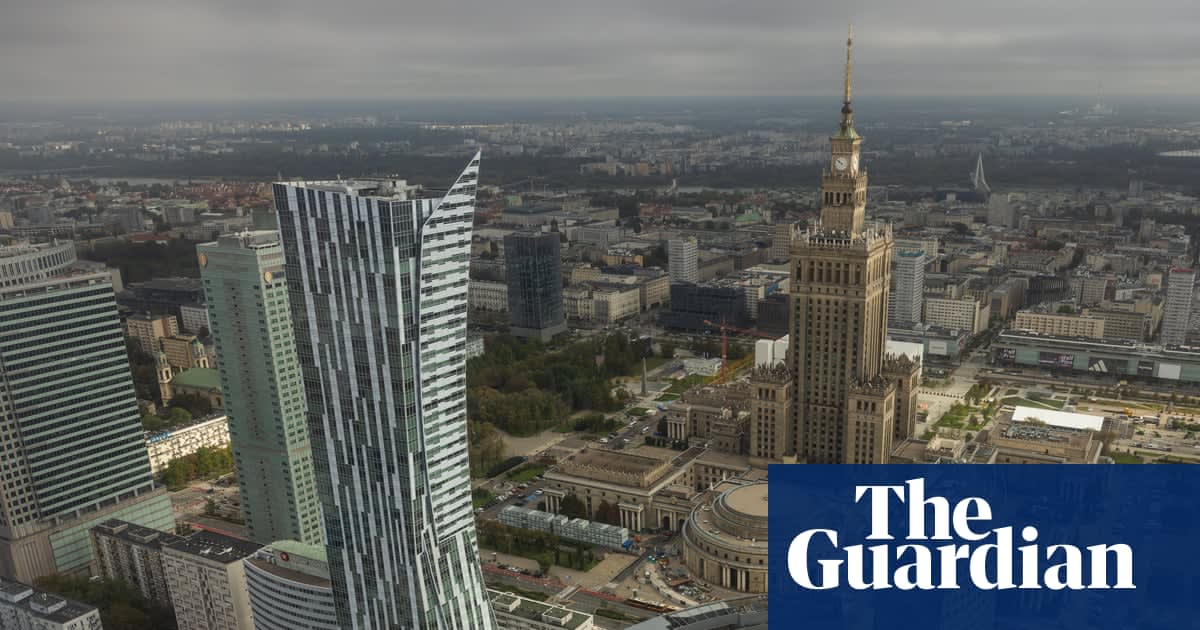
The construction of the Varso tower in Warsaw symbolizes Poland's dramatic economic shift from its Soviet-era past. This architectural contrast highlights the nation's progress toward European prosperity and its evolving relationship with historical symbols of oppression.
A New Horizon: Poland’s Architectural Metaphor for Progress
Warsaw’s skyline currently serves as a profound visual narrative of the nation’s turbulent transition from a satellite state under the Soviet Union to a modern, thriving European economic power. At the center of this transformation stands the juxtaposition of the Palace of Culture and Science—a gift from Joseph Stalin that has long served as a polarizing symbol of communist-era dominance—and the recently completed Varso tower. The latter, standing at a record-breaking 310 meters, now holds the title of the tallest building in the European Union, marking a physical and symbolic departure from the architecture of the past.
The Burden of History
The Palace of Culture and Science has remained a contentious fixture in Warsaw for decades. Often described by critics as a "drunk confectioner’s nightmare," the structure is viewed by many Poles not merely as a building, but as a lingering relic of Soviet oppression. While some advocate for its demolition as a cathartic act of historical erasure, others see it as a necessary monument—a stark reminder of the realities of the Cold War. This tension highlights the broader Polish struggle to reconcile its identity with a past defined by external control and internal resistance.
Ascending to Economic Heights
The completion of the Varso tower four years ago serves as more than just an engineering feat; it represents the culmination of Poland’s rapid economic modernization. By rising above the Stalinist neighbor, the tower provides a vantage point that literalizes the country’s upward mobility. Managers of the facility emphasize that the tower is a waypoint on Poland’s path to prosperity, signaling to the world that the nation has moved beyond the constraints of its history to become a hub of contemporary business and innovation within the EU.
Symbolism and Sovereignty
There is a deep-seated symbolism in the way the Varso tower physically overshadows the Palace of Culture and Science. As Cezary Błaszczyk and Natalia Kasperska of the Varso management have noted, looking down upon the old Soviet edifice represents a shift in perspective for a new generation of Poles. This architectural dominance serves as a testament to the country's sovereignty and its integration into the Western economic sphere, effectively turning the page on an era that was once defined by the shadow of the Kremlin.
Future Trends and Regional Impact
Looking forward, the development of projects like the Varso tower suggests that Poland intends to continue its trajectory as a critical economic engine in Central Europe. As the nation continues to attract international investment and foster a robust local private sector, the physical landscape of Warsaw will likely continue to evolve. This urban renewal acts as a mirror for the nation’s broader political and economic ambitions, as Poland solidifies its role as a key player in European affairs, far removed from the geopolitical confines of the mid-20th century.