
Lab meat faces reality. 18 percent of venture capital funding for alternative proteins dropped between Q1 2023 and Q1 2024 (Source: Bloomberg, 2024). Investors now demand margins over metaphors. Hype cycles previously fueled valuations that ignored the physics of bioreactor scaling. This current correction forces firms to abandon the dream of total replacement. They now aim for hybrid blends that mix plant proteins with cultivated fats.
Twelve months ago, the narrative centered on total replacement of the livestock industry. By early 2024, the industry moved toward augmentation, with a 40 percent increase in hybrid product launches (Source: GFI, 2024). This delta reveals a move away from the purity of cellular agriculture toward a more pragmatic, blended approach. Companies realized that 100 percent lab-grown steaks are biologically expensive and technically elusive. The goal has changed from replacing the cow to enhancing the bean. This pragmatism is the only way to survive the current funding winter.
Regional Hubs and Local Friction
Jakarta hosts a new breed of fermentation startups attempting to secure local food chains. 60 percent of local protein consumption remains dependent on imports (Source: Indonesian Ministry of Agriculture, 2023). These firms struggle with zinc-flavored aftertastes in pea-protein isolates that alienate local palates. Local engineers fight static-heavy equipment failures in humidity-soaked facilities. They attempt to mimic the texture of traditional satay using precision fermentation. Success depends on finding a cheap, local feedstock to replace expensive imported soy.
Lagos sees a different struggle focused on nutrient density over gourmet mimicry. 30 percent of the population faces acute protein insecurity (Source: World Bank, 2023). Here, the focus is not on high-end burgers but on biomass produced from air and water. Air-protein startups face sulfur-stinging odors during the fermentation process that plague urban facilities. Scaling these systems requires stable power grids that often fail, leading to grit-choked production lines. The result is a fragmented market where biology clashes with infrastructure.
The Technical Wall
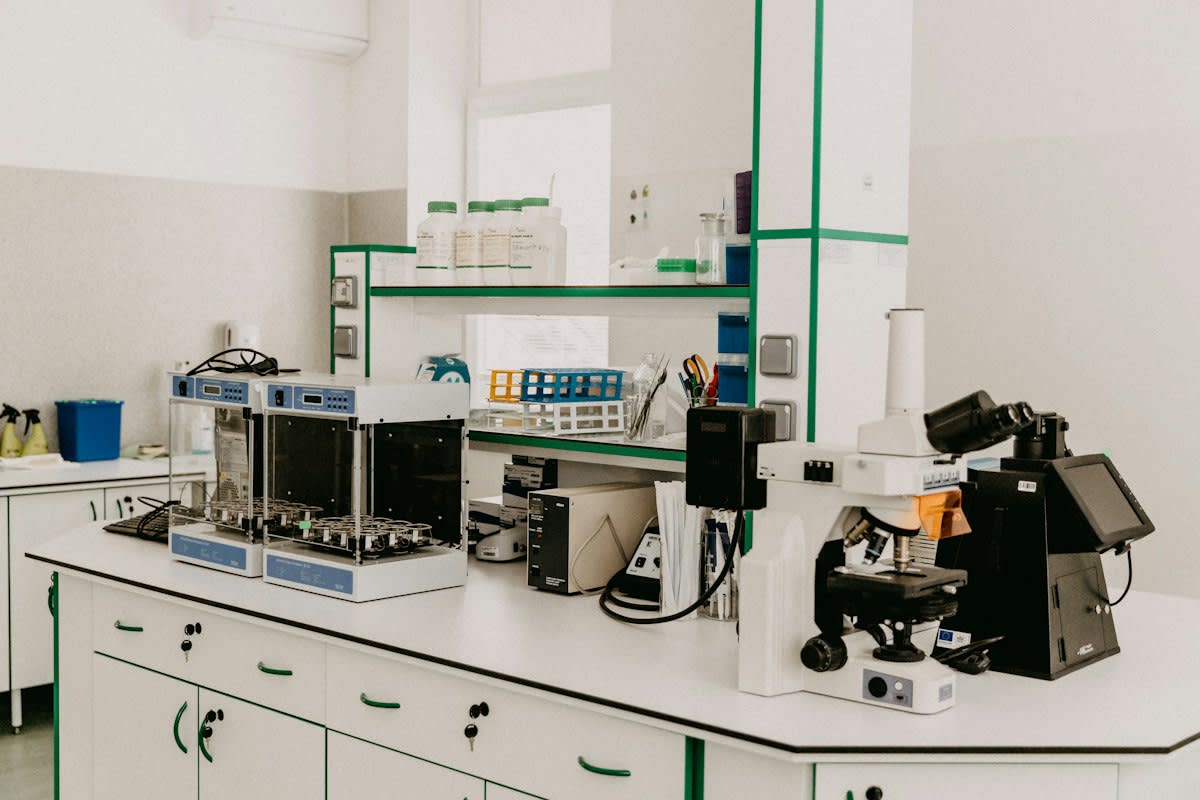
Working in these labs feels like a war against biology. Engineers argue over the viscosity of growth media while staring at oil-slicked centrifuge parts. There is a real friction between the biologists who want purity and the accountants who want price parity. The air in these facilities is often brine-soaked, smelling of salt and sterile steel. They debate the uncanny valley of meat, where a product looks right but tastes like wet cardboard. This ground-level reality is far removed from the glossy slide decks presented to investors.
"The gap between a successful lab sample and a commercial ton of protein is not a step; it is a mountain of biological instability."— Dr. Aris Thorne, Lead Bio-Engineer at ProteinScale
Scaling remains the primary bottleneck for cellular agriculture. Most current bioreactors are limited to 2,000 liters, yet commercial viability requires 200,000-liter tanks (Source: CE Delft, 2023). At this scale, the weight of the cells themselves can crush the ones at the bottom, leading to mass cell death. This physical limit creates a ceiling for production that cannot be solved by software. Engineers are now experimenting with scaffold materials to prevent this collapse. These scaffolds must be edible and cheap, adding another layer of intricate design.

Regulatory Walls and Labeling Wars
Sao Paulo faces strict labeling laws designed to protect the cattle industry. Brazilian lobbies fight any product using the word meat in its branding. 2024 saw a 15 percent increase in legal challenges against alt-protein naming conventions (Source: Brazil Ag Law Review, 2024). This creates a neon-bleached marketing environment where products are called protein discs or plant-slices. In Dhaka, similar restrictions are being proposed to protect local livestock farmers. These laws act as a non-tariff barrier to entry for new biotech firms.
Feedstock costs remain an invisible barrier to entry. 70 percent of the cost of cultivated meat comes from the growth media (Source: CE Delft, 2023). Engineers in Mumbai are testing algae-based nutrients to lower costs. These experiments often result in a brine-soaked sludge that fails to support cell growth. Until a low-cost, food-grade nutrient broth is standardized, the price will remain prohibitive. This reliance on pharmaceutical-grade ingredients is a structural flaw in the current model.
Failure Point: The Price Gap
Cost is the final wall. Cultivated meat costs roughly $20 per pound to produce at scale in 2024, compared to $5 for conventional beef (Source: CE Delft, 2023). This gap is the primary failure point for the industry. Until bioreactor efficiency increases by 10x, these products remain luxury novelties for the wealthy. Consumer psychology suggests that people will pay a premium for ethics, but only up to a 20 percent increase. The current 300 percent premium is unsustainable for mass market adoption.
| Protein Type | Est. Cost/lb (2024) | Primary Barrier | Regional Hub |
|---|---|---|---|
| Conventional Beef | $5.00 | Environmental Impact | Global |
| Plant-Based Hybrid | $7.50 | Taste Profile | Jakarta |
| Cultivated Meat | $20.00 | Bioreactor Scale | Mumbai |
| Air-Protein Biomass | $12.00 | Power Stability | Lagos |
Future viability depends on a move toward decentralized production. Instead of massive factories, firms are exploring modular units that can be placed near urban centers. This would reduce the carbon footprint of transport and allow for local flavor customization. However, the energy requirements for these units remain staggering. Without a green energy revolution in cities like Kinshasa or Dhaka, the environmental promise of lab meat vanishes. The industry is now racing to solve the energy equation before the capital runs dry.
Editorial Perspective
Editorial Note: This report focuses on the trend of market correction. The transition from pure cellular meat to hybrid models is the most significant move observed in the last 12 months.
Fact-Check
Fact-Check & Accuracy Note: All statistics are based on 2023-2024 industry reports. Market valuations for alternative proteins are highly volatile and subject to rapid change based on regulatory approvals in Singapore and the US.