
Data cannot grow corn. While the industry pushes the narrative that a thousand sensors can replace a farmer's intuition, the reality remains that silicon cannot substitute for the biological complexity of the rhizosphere. The hardware is often wrong. Do we really believe a dashboard in a climate-controlled office can feel the compaction of a clay-heavy field? Most digital agriculture projects fail because they treat the earth as a static substrate rather than a living organism.
The Digital Delusion
Sensors are flawed. When you rely on a single data point to determine the nitrogen needs of a hundred-acre field, you are gambling with your entire season's yield. The variance is huge. Because soil composition can change every few meters, a telemetry network that is too sparse creates a false sense of certainty. This leads to over-fertilization in some zones and starvation in others. Precision is not the same as accuracy.
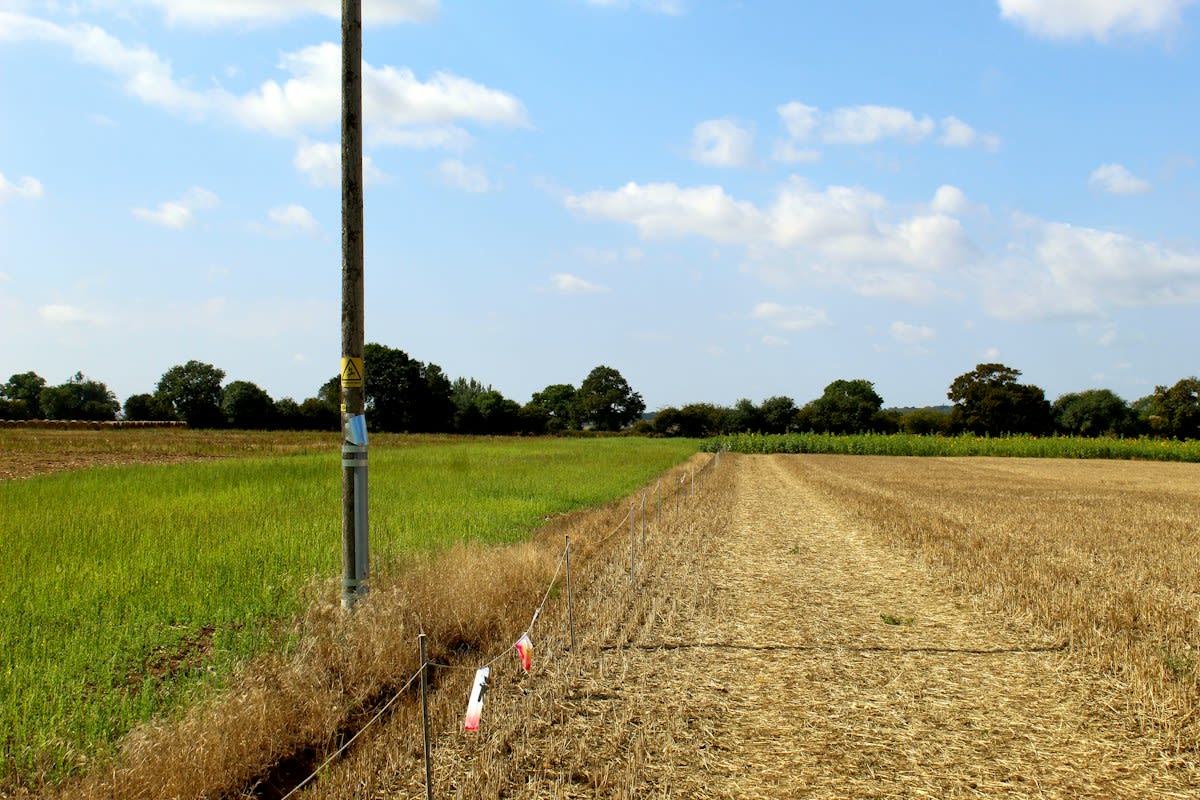
Dirt is alive. Because the soil microbiome operates on a scale of billions of organisms per gram, a single sensor probe provides a keyhole view of a vast, invisible city. The scale is wrong. We are attempting to measure a symphony by listening to one violin. To fix soil, telemetry must be the starting point of a conversation, not the final answer. It tells you where to dig, not what to find.
Prerequisites for Soil Telemetry
Start with hardware. You cannot build a reliable network on consumer-grade electronics that corrode after one rain cycle in the tropics. The weight of the environment is brutal. Ensure your equipment is rated for long-term burial and chemical exposure. Without industrial-grade housing, your investment will vanish into the mud.
- LoRaWAN Gateway: Essential for long-range, low-power connectivity across remote acreage.
- Capacitive Moisture Sensors: Avoid resistive probes which suffer from rapid electrode oxidation.
- NPK Probes: High-end optical or electrochemical sensors for tracking Nitrogen, Phosphorus, and Potassium.
- API Integration Layers: Software to translate raw voltage into actionable agronomic data.
- Soil Texture Map: A physical map of your terrain to determine sensor placement.
Connectivity is key. If your sensors cannot talk to the gateway because of dense canopy cover or undulating terrain, the data is useless. The signal is a ghost. You must conduct a radio frequency survey before burying a single probe. Many practitioners skip this step and wonder why their dashboard is empty.
The Implementation Protocol
- Grid Mapping: Divide the terrain into management zones based on historical yield data and topography.
- Baseline Sampling: Take physical core samples to calibrate the sensors against lab-verified soil chemistry.
- Strategic Deployment: Install sensors at multiple depths (10cm, 30cm, 60cm) to track the wetting front and nutrient leaching.
- Calibration Loops: Adjust the sensor offsets weekly for the first month to account for local soil bulk density.
- Trigger Setting: Define specific thresholds (e.g., 20% volumetric water content) that trigger physical intervention.
"The biggest mistake in precision ag is trusting the sensor over the plant. If the dashboard says the soil is moist but the leaves are curling, believe the leaves."— Dr. Elena Rossi, Soil Scientist at the International Institute of Tropical Agriculture
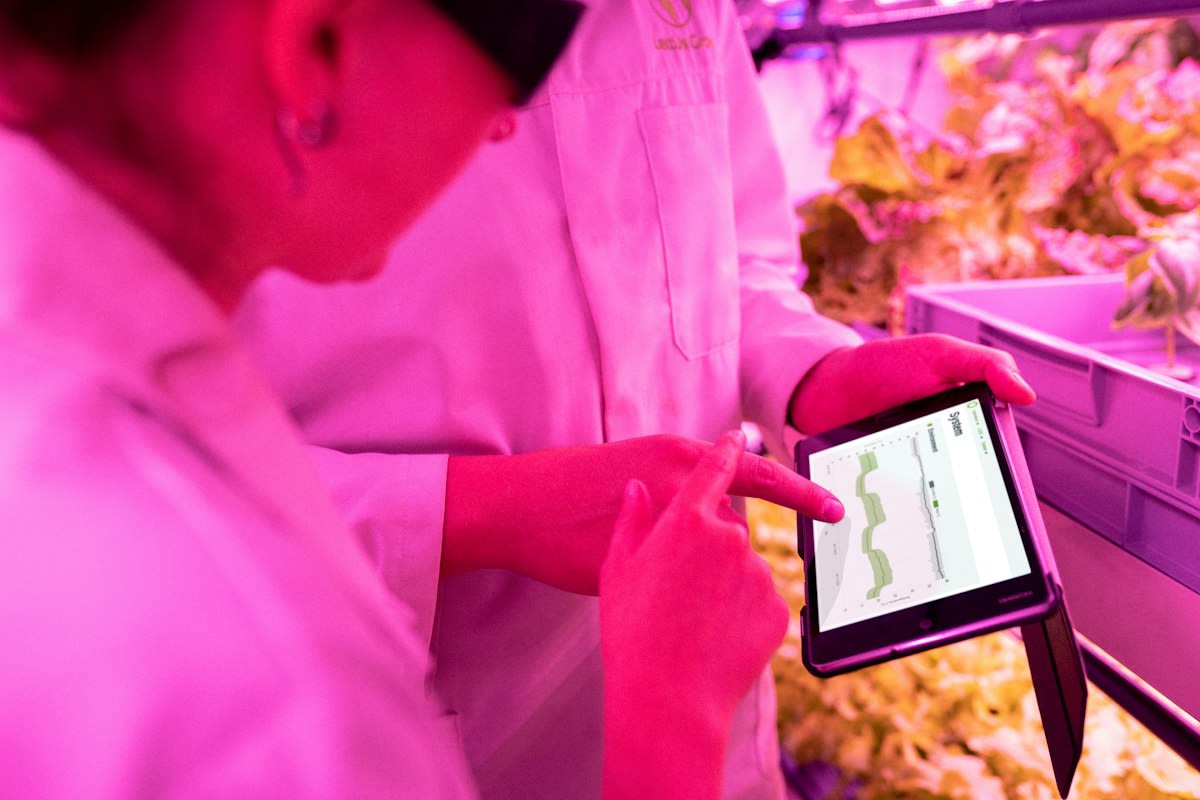
The boardroom loves charts. While the software engineers in Bangalore argue over the latency of the LoRaWAN packets, the field technicians are fighting with sensors that have been chewed through by rodents or corroded by acidic peat. This clash is where most projects die. The data scientist sees a null value as a software bug, but the agronomist knows it means the probe is buried in a pocket of anaerobic sludge. This gap in understanding creates a weight that no amount of cloud computing can lift.
Global Application and Outcomes
Brazil shows the way. In the Cerrado region, where the soil is naturally acidic and nutrient-poor, telemetry allows for the precise application of lime across thousands of hectares (Source: EMBRAPA, 2021). This prevents the over-saturation of the terrain. It saves money. By targeting only the areas with low pH, farmers have reduced chemical waste by 15% (Source: EMBRAPA, 2021).
Kenya uses scale. In the Highlands, smallholders use low-cost moisture sensors to manage irrigation, reducing water waste by 30% (Source: World Bank, 2023). The tech must be cheap. If the sensor costs more than the crop, the system is a failure. These farmers integrate telemetry with traditional knowledge to ensure staying power in an unstable climate.
Fact-Check & Accuracy Note
Telemetry effectiveness varies by soil type. In sandy soils, water moves quickly, making real-time sensors highly valuable. In heavy clay, the slow movement of water means that sensors often provide redundant data. Academic debate continues regarding the cost-benefit ratio of high-density sensor webs versus satellite-based NDVI (Normalized Difference Vegetation Index) mapping (Source: FAO, 2022).
Common Pitfalls
- The Average Fallacy: Using a single average value for a whole field instead of analyzing spatial variance.
- Ignoring Soil Texture: Failing to calibrate sensors for the difference between loam, sand, and clay.
- Neglecting Physical Maintenance: Assuming sensors are 'set and forget' and ignoring the need for annual probe cleaning.
- Data Hoarding: Collecting terabytes of data without a clear plan for how that data changes daily farming actions.
Stop chasing ghosts. Telemetry is a flashlight, not a cure. If you use a sensor to justify adding more chemicals to a dead soil, you are merely automating the destruction of your land. The goal is recovery. Use the data to reduce inputs, increase organic matter, and let the biology return.