European-made pesticides named in 1,605 poisoning reports in Brazil last year
Source Entity
Matthew Pearce
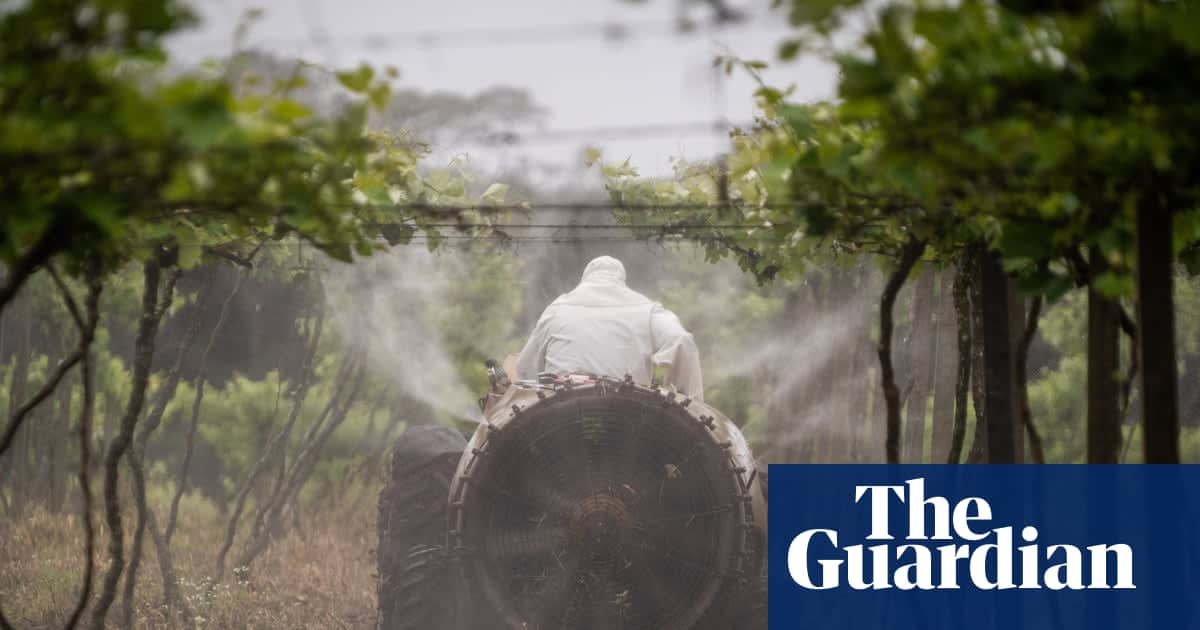
European chemical companies are facing scrutiny after their pesticides were linked to over 1,600 poisoning cases in Brazil last year. A significant portion of these chemicals are banned within the EU, yet remain legal for export and use in international markets.
The Double Standard of Global Pesticide Exports
A recent investigation by Unearthed and Public Eye has shed light on a troubling nexus between European chemical manufacturing and agricultural health crises in Brazil. The data, derived from the Brazilian health ministry, reveals that European-made pesticides were cited in 1,605 poisoning cases in the last year alone. This figure represents more than half of the 2,857 total poisoning reports that identified a specific agricultural product, highlighting the significant market share and subsequent human impact of European agrochemical firms in the region.
The Regulatory Loophole
Central to this issue is the stark disparity between domestic European regulations and export policies. While the European Union maintains some of the world's strictest environmental and health standards, prohibiting the use of numerous hazardous substances on its own farms, it does not explicitly forbid the manufacture of these same chemicals for international export. This legal loophole allows companies to continue producing substances deemed too dangerous for European ecosystems and citizens, provided they are shipped to markets where their use remains legally permissible.
Human and Environmental Toll
The consequences of this regulatory gap are being felt acutely by laborers on the ground. Brazilian farm workers have provided harrowing accounts of exposure, describing severe physical symptoms such as skin burning, difficulty breathing, and even the necrosis of flesh. These reports underscore that the risks associated with these pesticides are not merely abstract environmental concerns but immediate, life-altering hazards for those working in the agricultural sector.
Investigating the Data
By analyzing official health ministry records, the investigation identified that approximately one-third of these poisoning cases involved chemicals that are strictly prohibited within the EU. This suggests that the export of 'banned' pesticides is a systemic practice rather than a series of isolated incidents. The reliance on these substances in Brazil, despite their known toxicity, points to a complex global supply chain that prioritizes agricultural productivity and export growth over the occupational safety of the workforce.
Future Implications and Policy Trends
This revelation is likely to spark renewed debate regarding the ethical responsibility of multinational corporations. As global awareness of supply chain transparency increases, European companies may face mounting pressure to harmonize their global export standards with their domestic safety regulations. Future trends suggest that international bodies may move toward stricter oversight to close the loophole that currently enables the 'dumping' of hazardous chemicals into developing agricultural markets.
Conclusion
The findings serve as a critical wake-up call for international regulators. The disparity between what is considered safe for the European environment versus the Brazilian environment has resulted in a tangible human cost. Moving forward, the industry faces an urgent need for reform to ensure that the pursuit of global agricultural efficiency does not come at the expense of human health and safety.