SBI fails to prove woman authorised Rs 55,000 UPI transaction, told to pay Rs 85,000
Source Entity
Richa Sahay
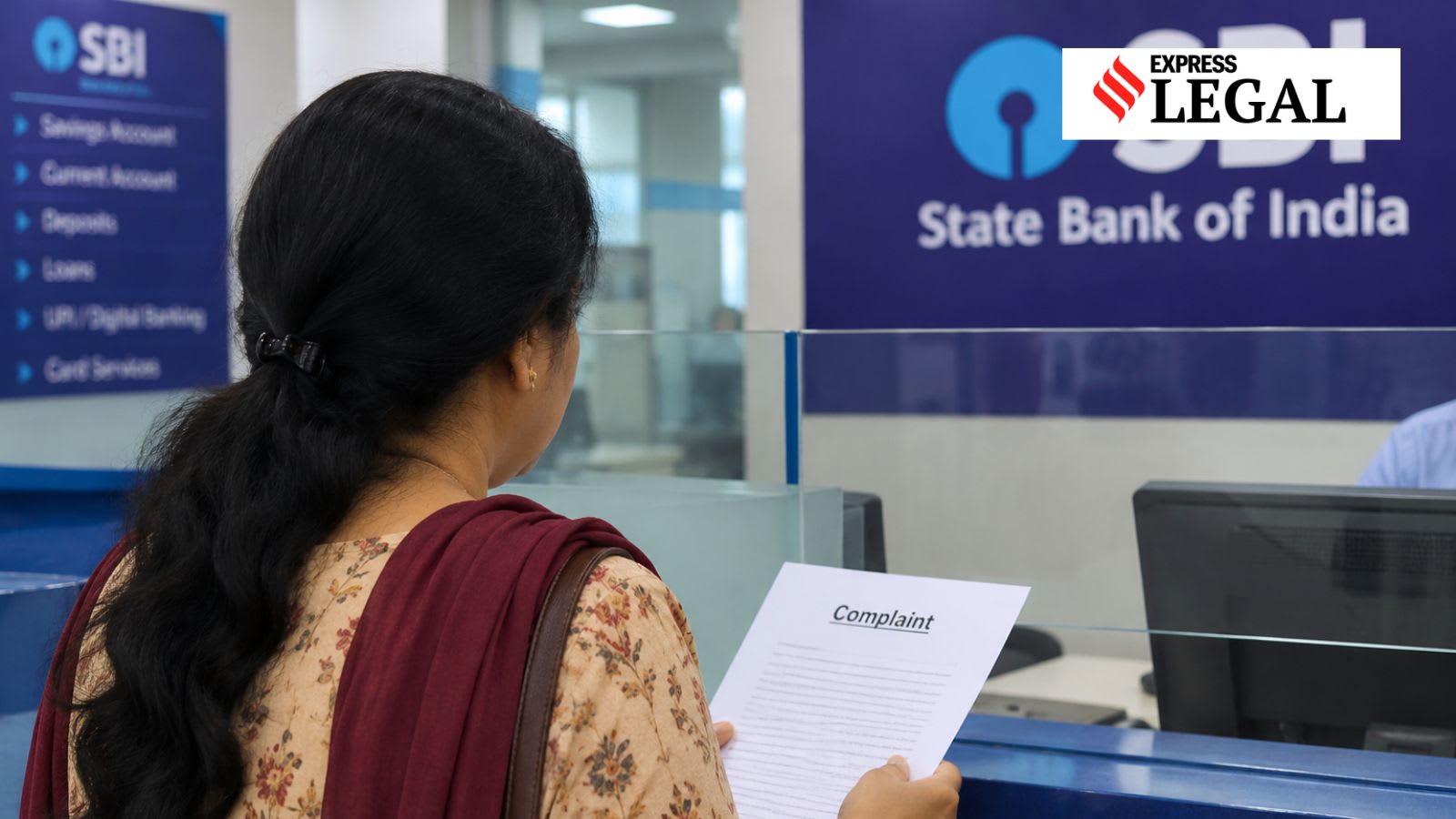
A Telangana consumer commission has ordered the State Bank of India to pay Rs 85,000 to a customer after an unauthorized UPI transaction of Rs 55,000. The court ruled that the use of a UPI PIN does not automatically imply customer negligence or authorization.
Consumer Rights and Digital Banking Liability
In a landmark ruling that reinforces consumer protections in the digital age, a Telangana consumer commission has directed the State Bank of India (SBI) to compensate a 44-year-old woman for a disputed transaction. The case, which originated in November 2022, involved the unauthorized debit of Rs 55,000 from the customer's account via the Unified Payments Interface (UPI). This decision highlights the evolving legal landscape regarding electronic fund transfers and the burden of proof placed on financial institutions.
The Dispute Over Authentication
The core of the conflict lay in the bank's defense, which relied heavily on the technical fact that the transaction was processed using a valid UPI PIN. SBI argued that such authentication typically implies either direct authorization by the account holder or a breach of security protocols due to the customer's negligence. However, the commission, led by President Mamidi Christopher, rejected the notion that the presence of a PIN entry is sufficient evidence to absolve the bank of responsibility or to definitively prove user error.
Redefining 'Negligence' in UPI Transactions
Legal experts note that this ruling challenges the standard banking narrative that the usage of a PIN constitutes an ironclad proof of authorization. By ruling that the bank failed to prove that the claimant was negligent, the commission has effectively shifted the onus back onto financial institutions to provide more robust evidence when a customer reports fraudulent activity. This creates a significant precedent for future consumer disputes, suggesting that banks cannot simply rely on automated logs to dismiss claims of unauthorized transactions.
Implications for Digital Financial Security
As UPI continues to dominate the Indian digital payment landscape, cases like this underscore the vulnerabilities inherent in rapid digitization. The commission’s stance—that a PIN entry does not conclusively establish authorization—reflects a growing judicial awareness of sophisticated cyber-fraud techniques that may bypass standard security measures. Banks may now be forced to enhance their fraud detection systems and internal investigation protocols to meet these higher evidentiary standards.
Consumer Empowerment and Future Trends
This outcome provides a vital layer of protection for everyday users who often feel helpless when faced with large, institutional banking entities. By awarding Rs 85,000—which includes the original loss and additional compensation—the commission has signaled that financial institutions must prioritize customer security over the convenience of automated systems. Moving forward, we can expect a shift in how banks handle customer complaints, with an increased emphasis on transparency and detailed forensic audits of disputed digital transactions.
Concluding Thoughts
The ruling serves as a stark reminder that while digital banking is convenient, it carries risks that require a balanced approach to liability. As the financial sector continues to integrate complex technological solutions, the legal system will continue to play a crucial role in ensuring that the burden of cybersecurity does not fall unfairly on the consumer. This case reinforces the principle that institutions are ultimately responsible for the integrity of the digital platforms they provide to their clients.