From partners to 'no sell' list, what happened between Nvidia and Megaspeed
Source Entity
SHIVANGHI PAYAL
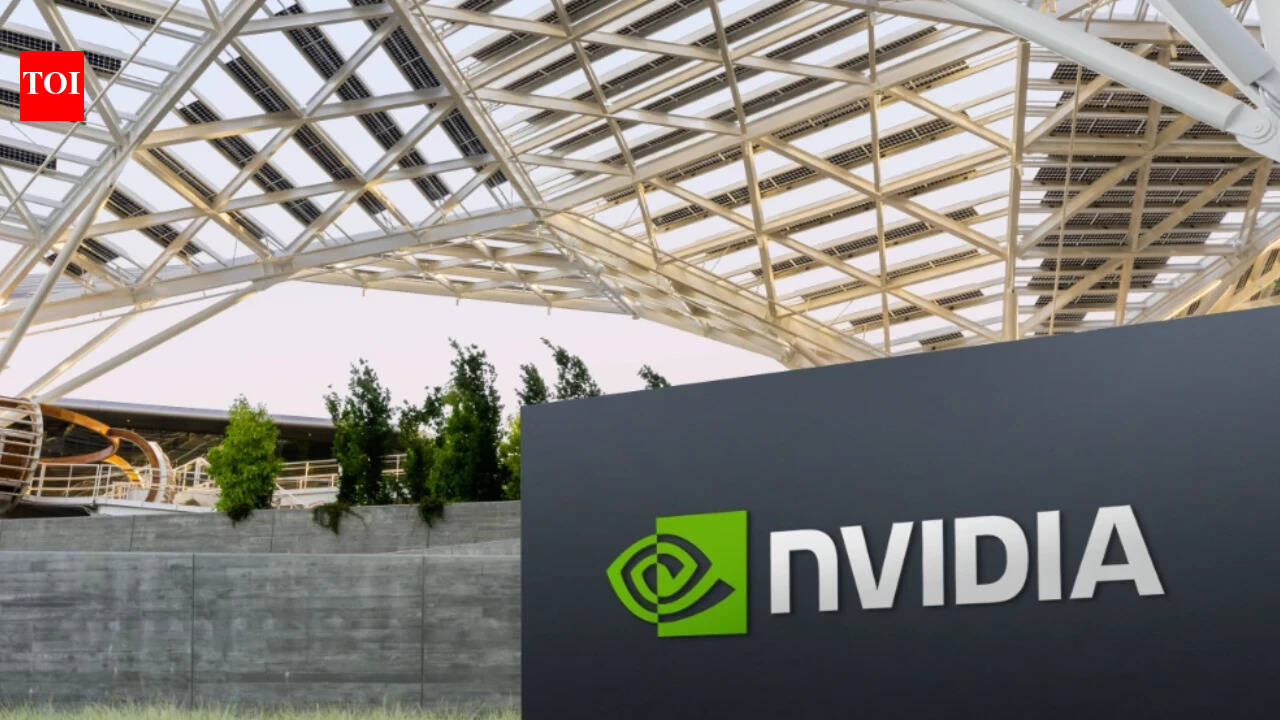
Nvidia has blacklisted Singapore-based Megaspeed following a U.S. government probe into semiconductor export control violations. The investigation, which began in 2024, centers on suspected technology diversion and involves scrutiny of former CEO Alice Huang.
The Collapse of a Strategic Partnership: Nvidia and Megaspeed
Nvidia’s decision to designate Singapore’s Megaspeed as a 'no sell' entity marks a significant escalation in the ongoing efforts by U.S. authorities to tighten control over sensitive semiconductor supply chains. The partnership, which once facilitated cloud computing expansion across Southeast Asia, has effectively disintegrated following revelations of potential export-control violations. This move signifies a broader shift in how major chipmakers must now police their downstream partners to remain compliant with U.S. federal mandates.
Origins of the Federal Investigation
While the public designation of Megaspeed as a 'no sell' entity occurred in June 2025, the underlying legal friction began much earlier. According to joint statements from the U.S. Commerce and Justice Departments, investigations into the firm were initiated in 2024. These probes were triggered by suspicious activities surrounding the potential diversion of high-end semiconductors, a critical area of concern for national security given the rapid evolution of artificial intelligence and high-performance computing hardware.
The Role of Leadership and Espionage Scrutiny
Central to this controversy is former Megaspeed CEO Alice Huang, whose leadership has come under intense fire. Investigations have scrutinized her alleged ties to espionage, leading to a complex legal fallout. Although Huang was cleared of the most severe criminal charges, she was found to have misrepresented her involvement in the firm’s operations. Consequently, she has been banned from re-entering Singapore, highlighting the severe personal and professional consequences for executives caught in the crosshairs of international trade enforcement.
Regulatory Pressure and Site Inspections
The timeline of the investigation reached a critical juncture in June 2025, when U.S. authorities conducted a site visit to verify the movement of chips through Megaspeed's facilities. The Commerce Department had previously approached Nvidia in May 2025, mandating transparency regarding both direct and indirect sales to their Asia-Pacific partner. This regulatory pressure forced Nvidia’s hand, leading the company to halt reporting on Singapore sales entirely after severing ties with the provider.
Broader Implications for Semiconductor Trade
This case serves as a cautionary tale regarding the 'indirect' flow of sensitive technology. By placing Megaspeed on a 'no sell' list, Nvidia is signaling a proactive stance to prevent its products from being diverted to unauthorized entities. As the U.S. continues to prioritize the integrity of its semiconductor supply chain, firms operating in logistical hubs like Singapore face increased scrutiny. Future trends suggest that tech giants will likely implement even more rigorous audit trails for their international partners to avoid similar federal interventions.
Conclusion
The downfall of the Nvidia-Megaspeed partnership underscores the high stakes of global semiconductor trade. With active investigations against Megaspeed and associated individuals still ongoing, the industry remains on high alert. The incident reinforces the reality that in the modern geopolitical climate, technological partnerships are increasingly subject to the rigors of national security oversight, and companies that fail to maintain absolute transparency risk immediate exclusion from the global market.