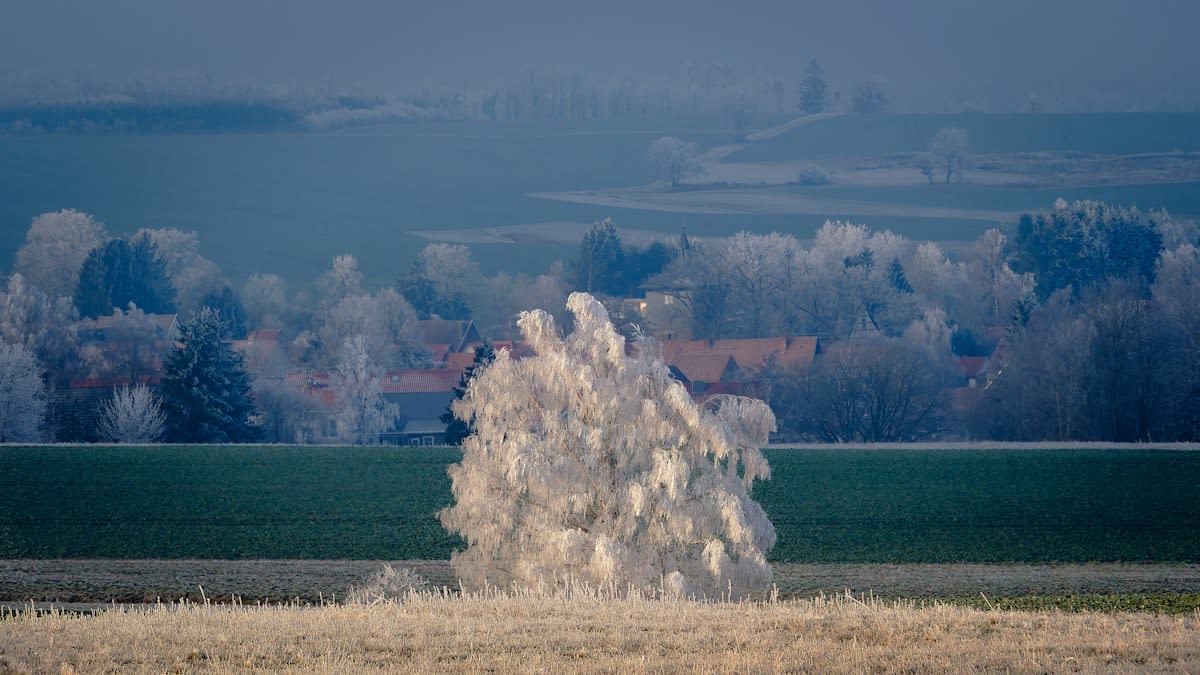
The visual evidence is unmistakable. Across the world's most productive agricultural zones, a ghostly white crust is creeping across the topsoil, signaling a silent takeover by salt. For decades, we viewed soil salinity as an inevitable byproduct of irrigation or a slow-motion disaster driven by rising seas. But as we move through August 2026, the conversation has shifted. We are no longer merely documenting the decline of our breadbaskets; we are witnessing a sophisticated pivot toward biological resilience and precision chemistry that treats salt not as a permanent barrier, but as a variable to be managed.
The scale of the challenge is staggering when viewed through a global lens. Recent data on the spatio-temporal vulnerability of irrigated agroecosystems reveals a critical distinction between natural and man-made salt accumulation. While primary salinization—the naturally occurring variety—affects roughly 6% of the global land surface, secondary salinization is the true disruptor. This human-induced salinity now impacts up to one-third of irrigated agroecosystems. This is not a localized fluke; it is a systemic failure of traditional irrigation and nutrient management that has left a third of our most engineered lands fighting an uphill battle against osmotic stress.
The Long-Term Erosion of Arable Land
To understand where we are going, we have to look at the wreckage of the last few decades. A 27-year experiment has provided a grim baseline for how standard cultivation practices have backfired. The study found that conventional cultivation increased soil salinity by a massive 44.4% over the study period, creeping upward at a steady rate of 0.14 g kg-1 per year. This slow bleed of soil health means that farmers who followed the standard playbook for thirty years have inadvertently salted their own earth, creating a legacy of degradation that now requires radical intervention to reverse.
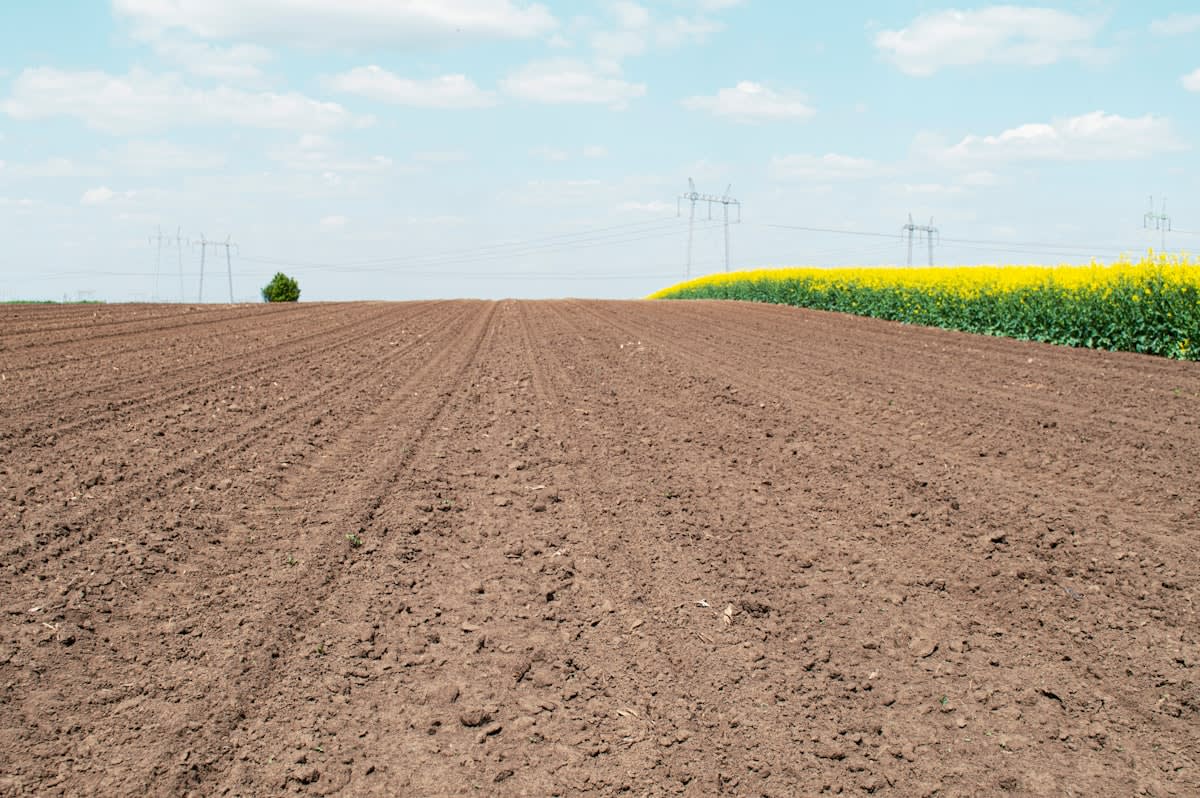
Why is this happening now with such intensity? In regions like Lincolnshire, farmers are trapped in a double whammy. They are facing the immediate physical impact of sea surges pushing saltwater directly onto the land, while simultaneously dealing with increased seawater infiltration in their irrigation channels. It is a pincer movement of climate change and geography. When the water used to sustain the crop becomes the very thing that poisons the root zone, the traditional agricultural model collapses. The question is no longer how to stop the salt, but how to survive it.
The Salinity Delta
The shift from 6% primary salinization to a 33.3% impact from secondary salinization marks the transition from a natural geographic hurdle to a systemic industrial crisis.
Training the Soil: The Biological Breakthrough
The most provocative shift in the last few months is the move toward biological conditioning. Professor Matthew Goddard and his team at the University of Lincoln are pioneering a method that sounds more like athletics than agriculture: they are training soil microbes. Rather than attempting to scrub the soil clean of salt—an expensive and often futile effort—they are exposing soils to controlled, low levels of saline irrigation. The goal is to encourage naturally occurring microbial communities to adapt and evolve, essentially priming the soil's biological engine to function in a saltier environment.
"Research has shown that naturally occurring soil microbes can be trained to better tolerate saltier conditions, preparing soils to be ready for one particular aspect of climate change, which is sea level rises."— Prof Matthew Goddard, University of Lincoln
This approach represents a fundamental change in philosophy. For years, the industry focused on the plant—breeding salt-tolerant seeds or applying chemical buffers. Goddard's work shifts the focus to the microbiome. By preparing the soil itself, we create a supportive ecosystem that protects the crop from the ground up. This microbial adaptation acts as a biological shield, ensuring that food security is not entirely dependent on the genetic perfection of a single seed variety, but on the resilience of the entire soil matrix.
Is this scalable? The logic suggests so. If we can teach the soil in the UK's coastal fens to withstand seawater infiltration, the same principles can be applied to the Mekong Delta or the Nile Valley. The urgency of August 2026 is driven by the realization that we cannot outrun the rising tide; we must instead teach our land how to breathe underwater, so to speak.
The Chemistry Pivot: Carbon vs. Salt
While biologists train microbes, chemists are rewriting the rules of fertilization. For too long, the industry has relied on salt-based nutrition, often ignoring the salt index of the very products meant to help crops grow. Take the popular 10-34-0 in-furrow starter fertilizer used on millions of corn acres. While it provides essential nutrients, it carries a salt index that can lead to osmotic seed burn and contribute to the long-term salinization of the field. We have been pouring salt on our most important asset under the guise of feeding it.
The alternative is a transition to carbon-based fertilizers. Products like Huma Super Phos (0-50-0) and Super Potassium (0-0-40) are entering the market with a salt index of zero. By replacing salt-based nutrition with carbon-based alternatives, farmers can stop the additive salinization process entirely. This isn't just about avoiding damage; it's about improving the efficiency of nutrient uptake. Carbon-based products enrich the soil without adding to the osmotic pressure that prevents roots from absorbing water.
| Fertilizer Type | Example Product | Salt Index | Impact on Soil |
|---|---|---|---|
| Salt-Based | 10-34-0 | High | Potential osmotic seed burn; increases salinity |
| Carbon-Based | Super Phos (0-50-0) | 0 | Enriches soil; zero salinity contribution |
| Carbon-Based | Super Potassium (0-0-40) | 0 | Enriches soil; zero salinity contribution |
This shift in input chemistry is a critical component of the broader resilience strategy. When you combine carbon-based nutrition with the microbial training mentioned earlier, you create a synergistic effect. You stop adding new salts while simultaneously increasing the soil's ability to handle the salts that are already there. It is a dual-track approach that moves the farm from a state of vulnerability to a state of active adaptation.
Precision Management: Moving Beyond the Calendar
The final piece of the puzzle is the abandonment of the fixed-schedule fertilizer application. A new dynamic nitrogen management approach, highlighted in recent research from npj Sustainable Agriculture, is replacing the calendar with real-time data. Instead of applying a preset amount of nitrogen at a specific date, farmers are now measuring the actual nitrogen already available in the soil before making a decision. This prevents the over-application of nutrients, which often contributes to the salt buildup that plagues irrigated lands.
This system operates on a soil nitrogen balance. By combining regular soil testing with weather data, crop observations, and field conditions, precision agriculture is finally moving toward a truly responsive model. When fertilizer is matched exactly to the crop's growth stage and the soil's current state, waste is minimized and the salt load on the environment is reduced. This is the technical endgame: a closed-loop system where inputs are dictated by biological need rather than historical habit.
We are also seeing an increased focus on the optimal organic nitrogen substitution rate. Research is now diving into how to balance organic nitrogen inputs under contrasting salinity conditions to elucidate the mechanisms that govern nutrient uptake. This suggests that the future of the breadbasket isn't just about removing salt, but about optimizing the chemistry of the soil to ensure that plants can still thrive even when the salinity levels are suboptimal.
The convergence of these three trends—microbial training, carbon-based inputs, and dynamic nitrogen management—marks a turning point. We are moving away from a defensive posture and toward an offensive strategy of soil engineering. The white fields are not a sign of the end, but a catalyst for a more intelligent, resilient form of agriculture.
As we look toward the next decade, the success of these interventions will determine the stability of the global food supply. The transition from salt-based to carbon-based systems, and from fixed schedules to dynamic balances, is no longer optional. It is the only way to ensure that the world's breadbaskets remain green, even as the edges turn white.