"Her Point Of View...": Sonia Gandhi Recalls Emergency, Indira Gandhi's "Regret"
Source Entity
NDTV News Search Records Found 1000
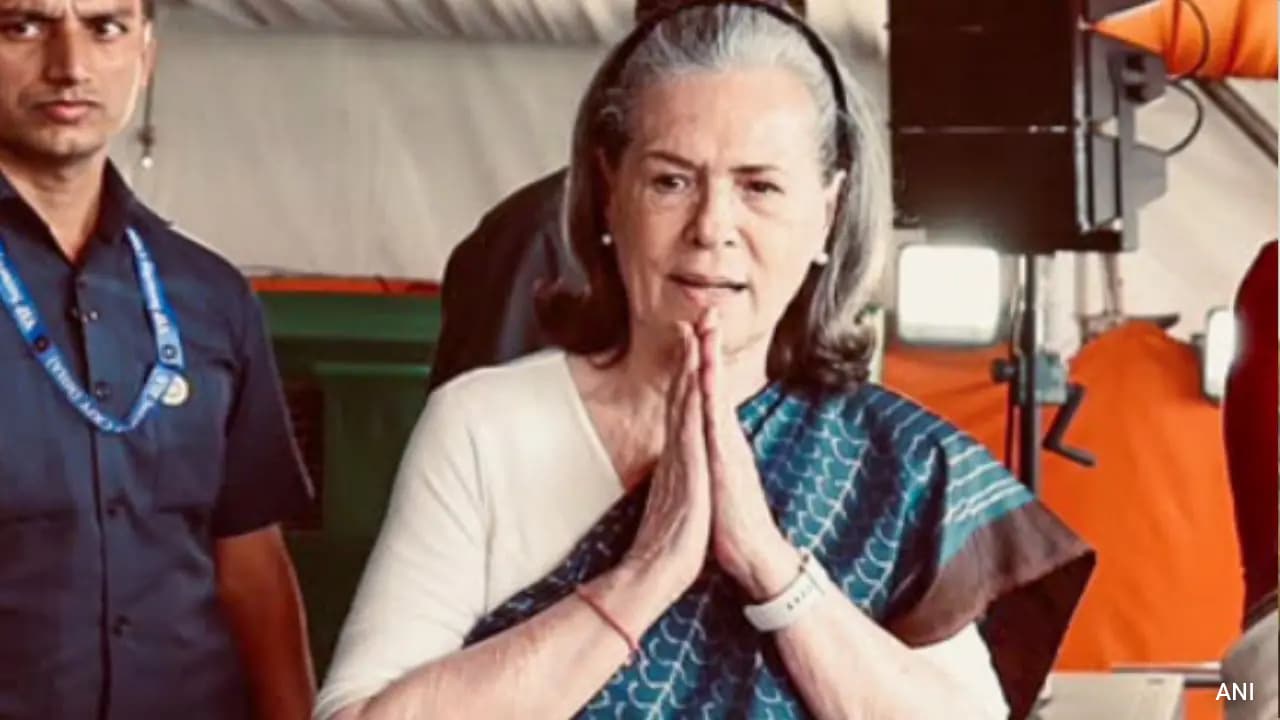
Sonia Gandhi's upcoming memoir, 'Belonging: A Journey of Love,' explores her personal transition from private life to Indian political leadership. She critiques the current BJP-RSS administration for damaging India's democratic fabric while reflecting on her life with the Nehru-Gandhi family.
A Memoir of Transition and Political Reflection
Sonia Gandhi, the veteran leader of the Indian National Congress, has provided a rare, intimate look into her life ahead of the release of her memoir, Belonging: A Journey of Love. Published by HarperCollins India, the book serves as both a personal chronicle and a political framework, detailing her evolution from a young woman in Italy and England to a central figure in Indian public life. In a wide-ranging interview with N. Ram, Gandhi discusses the motivations behind breaking her long-held preference for privacy, noting that the reflective distance provided by stepping back from daily politics allowed her to finally document her story.
The Threads of Loyalty and Loss
At the heart of the memoir is the concept of 'belonging,' which Gandhi traces through the personal connections that defined her trajectory. She recounts meeting a young Indian student in England, a chance encounter that eventually led her into the fold of the Nehru-Gandhi family. This narrative thread is defined by her deep bond with her mother-in-law, Indira Gandhi, and her marriage to Rajiv Gandhi. The memoir does not shy away from the 'unbearable' moments of her life, specifically the trauma of losing both her mother-in-law and her husband to political violence, events that ultimately pulled her into the public arena.
Critique of the Current Political Landscape
Beyond the personal, the memoir and the accompanying interviews offer a sharp critique of the current political status quo. Gandhi asserts that the BJP-RSS dispensation, which has held power for the last twelve years, has inflicted 'great damage' on the fabric of India. She specifically identifies the erosion of democratic institutions and the weakening of the country's systemic health as primary concerns. According to Gandhi, the path to recovery will require significant effort and time, even after the current administration leaves office, as the structural integrity of India’s governance has been compromised.
Reflecting on Historical Choices
Gandhi’s reflections extend to her own political history, including her decision to accept the Congress presidency in 1998 and her perspectives on the Emergency of 1975-1977. By situating these events within the context of her memoir, she provides insight into the values she inherited from Indira and Rajiv Gandhi. These historical touchstones are presented not merely as biographical facts, but as lessons that shaped her outlook on the responsibilities of leadership and the importance of institutional stability.
The Future of Indian Governance
Despite her stark assessment of the current decline of the Congress party's dominance and the institutional damage she perceives, Gandhi maintains a sense of optimism. She argues that the Indian public is becoming increasingly restless and is beginning to recognize the degradation of their democratic systems. She suggests that there is a growing desire for a 'return to proper governance.' Her memoir acts as a call to action, framing the restoration of India’s political health as a collective necessity for the future of the nation.
Conclusion: A Synthesis of Life and Legacy
Ultimately, Belonging: A Journey of Love is an attempt to synthesize a complex life defined by both profound personal loss and immense political responsibility. By documenting her journey, Gandhi seeks to contextualize the current state of Indian democracy against the backdrop of the values she has cherished throughout her decades in the country. The book stands as a testament to her belief in the resilience of the Indian people and her hope for a political future that prioritizes the restoration of democratic norms.
Verification Required?