Why RSS’s ‘social harmony’ is not the annihilation of caste
Source Entity
Harinder Happy
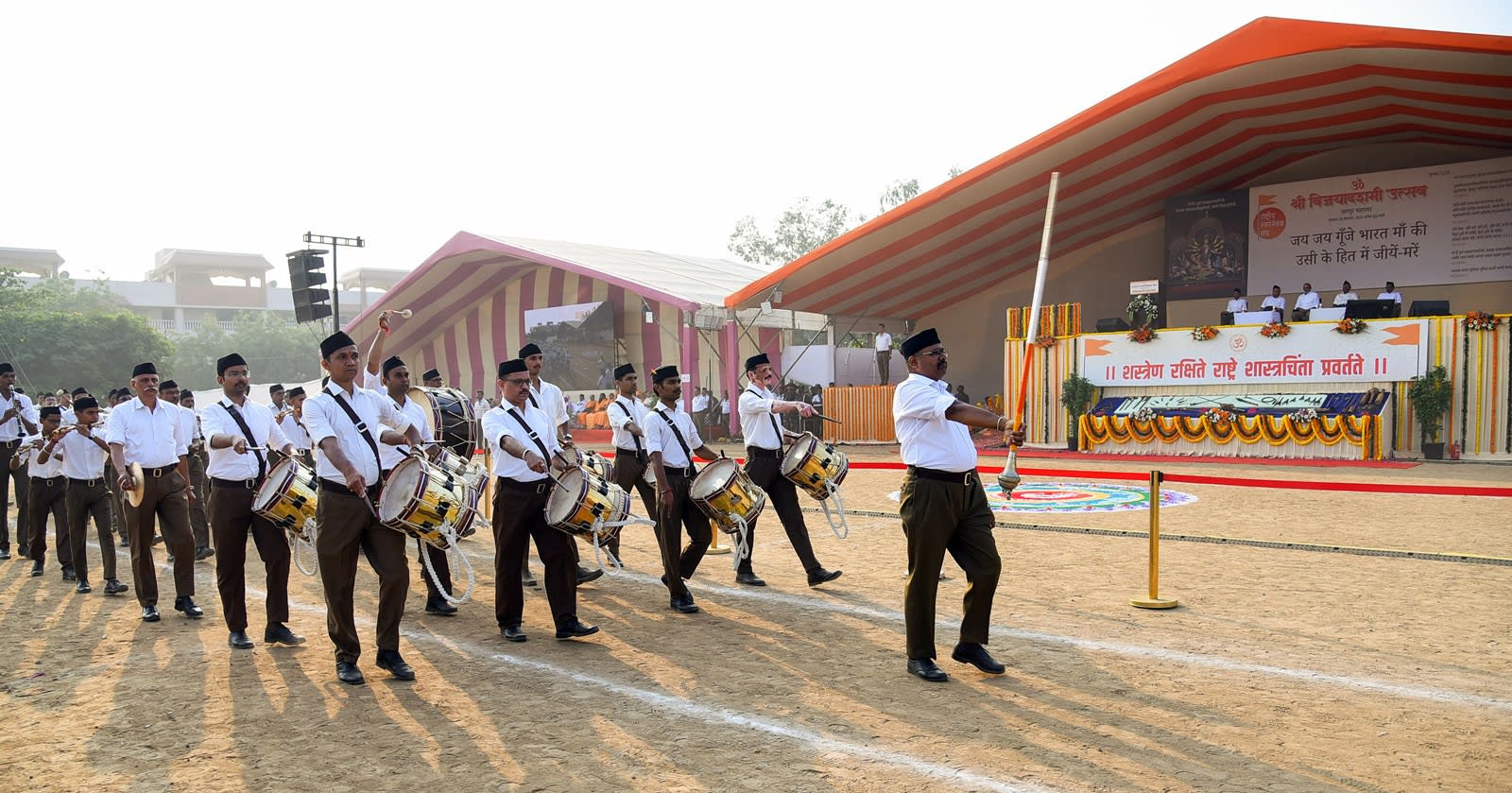
The RSS concept of 'Samajik Samrasta' aims to foster social harmony without dismantling the caste system. Critics argue this approach preserves existing power structures rather than achieving true caste annihilation.
The RSS and the Paradigm of Samajik Samrasta
The discourse surrounding the Rashtriya Swayamsevak Sangh (RSS) and its approach to caste has long been a subject of intense debate in Indian political and social circles. Recently, the concept of Samajik Samrasta—or social harmony—has been presented as an evolving journey for the organization. However, a critical analysis of this framework suggests a fundamental divergence between the RSS's goal of fostering harmony and the socio-political objective of annihilating the caste system entirely.
Semantic Distinctions and Structural Realities
The central tension lies in the distinction between addressing individual prejudices and dismantling systemic inequality. By promoting Samajik Samrasta, the RSS appears to advocate for a more harmonious coexistence between different caste groups. Critics argue that this approach essentially asks dominant castes to adopt a more benevolent attitude toward Dalits, rather than challenging the religious, economic, and political bedrock that sustains caste-based domination. This distinction is not merely semantic; it touches upon the preservation of hierarchy versus the pursuit of egalitarianism.
The Strategy of Inclusion
Recent narratives highlight that the RSS is intensifying its outreach to a broader spectrum of castes and communities. While this 'greater zeal' is often framed as an inclusive effort, it reinforces the reality that the organization continues to view society through a caste-based lens. By reaching out to distinct communities, the RSS maintains the visibility of these groups, which some analysts suggest perpetuates the very identity categories that reformers seek to abolish.
The Limits of Social Harmony
If Samajik Samrasta is the primary end goal, the underlying structures of caste—those that dictate social mobility, marriage, and political influence—remain largely untouched. The RSS model of harmony operates within the existing framework of the caste system rather than outside of it. This raises questions about whether true equality can ever be achieved through a philosophy that seeks to manage caste relations rather than dismantle the caste hierarchy itself.
Historical Context and Future Implications
Historically, movements for the annihilation of caste, such as those championed by B.R. Ambedkar, focused on the radical restructuring of society. In contrast, the RSS focus on harmony suggests a preference for continuity and social stability over structural revolution. As the organization continues to expand its outreach, the debate over whether this represents a genuine shift in ideology or a sophisticated method of preserving the status quo will likely remain a central theme in Indian political discourse.
Concluding Perspectives
The divergence between the RSS's 'Samajik Samrasta' and the goal of caste annihilation represents a fundamental clash of ideologies. While the former seeks to mitigate the friction caused by caste by promoting harmony, the latter demands the total erosion of caste as a social category. As the RSS continues its engagement with diverse communities, the efficacy and intent of this strategy will continue to be evaluated against the backdrop of India's enduring struggle with caste-based systemic inequality.