Death Count In Assam Oil India Fire Rises To 2, 5 Injured Remain Critical
Source Entity
NDTV News Search Records Found 1000
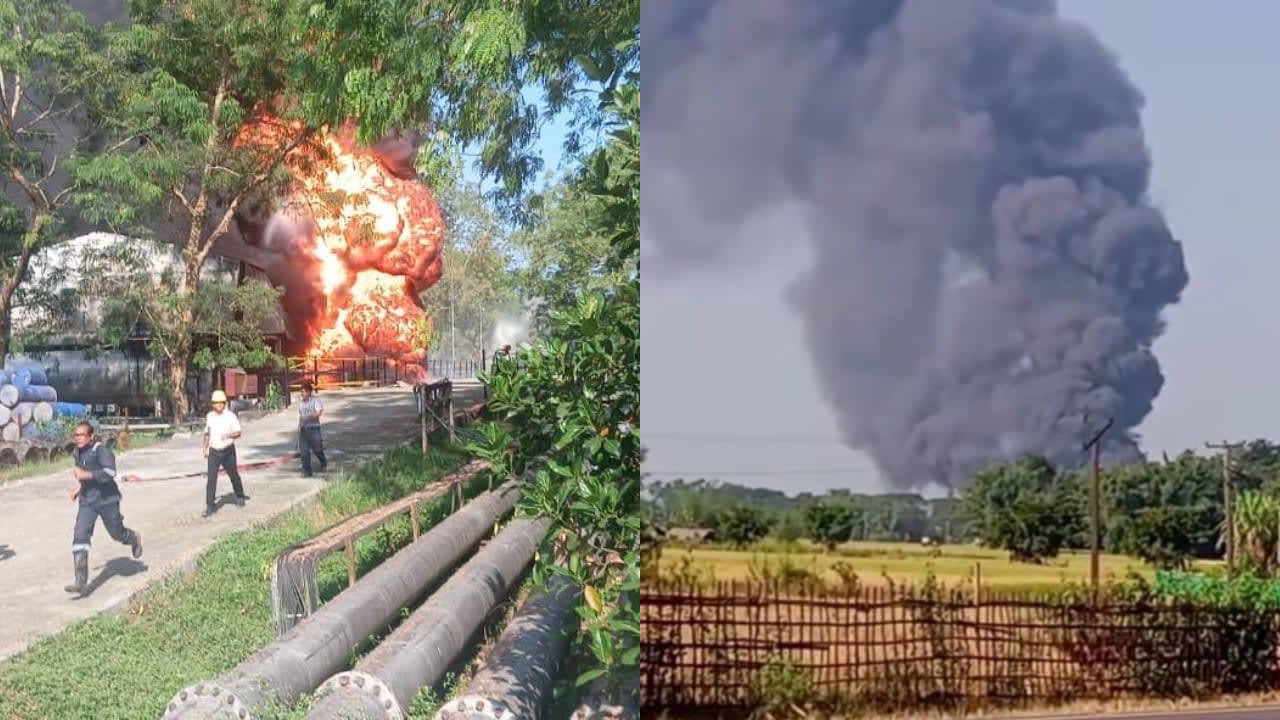
Two separate fire incidents occurred in India, with an unauthorized fireworks stall fire in Noida causing no injuries and an explosion at an Oil India Limited facility in Assam resulting in two deaths. Authorities are investigating both events, with the OIL incident linked to maintenance work at an intermediate tank farm.
Analysis of Industrial and Public Safety Incidents in India
Recent reports highlight two distinct fire-related incidents in India, underscoring the ongoing challenges of industrial safety and public hazard management. In Noida, an unauthorized fireworks stall in the Bhangel market ignited on Saturday, while in Assam, a tragic explosion at an Oil India Limited (OIL) facility has resulted in two fatalities and multiple injuries. These events, while occurring in vastly different settings, emphasize the critical necessity of adhering to safety protocols and regulatory oversight.
The Noida Market Incident: Public Risk and Regulation
In the Bhangel market incident, officials reported that a small, unauthorized stall containing concealed fireworks caught fire around 2:30 p.m. The rapid response of a nearby fire tender prevented a larger catastrophe, limiting the damage to a neighboring fruit stall. The presence of fire tenders in the area, likely as a precautionary measure during the festive season, proved essential. This event highlights the persistent issue of illegal firecracker sales in densely populated urban markets, where the lack of proper storage and safety permits poses a significant threat to public safety.
Industrial Tragedy at Oil India Limited
Conversely, the explosion at the OIL facility in Dibrugarh, Assam, represents a major industrial safety failure. The incident occurred at an indirect bath heater within the intermediate tank farm at Tengakhat, which had been isolated for maintenance on November 4. The subsequent explosion on November 6 resulted in the deaths of two contract workers and left five others in critical condition. The loss of life—specifically the deaths of Tapas Gogoi and Raju Dutta—serves as a grim reminder of the inherent dangers associated with oil exploration and maintenance operations.
Comparative Analysis of Safety Protocols
While the Noida incident was a localized public safety concern involving unauthorized commercial activity, the Assam incident involves a major state-backed industrial entity. The contrast in the nature of these fires is stark: one was a result of non-compliance with market regulations, while the other occurred within a professional industrial environment during scheduled maintenance. The immediate mobilization of OIL's fire service personnel indicates an established emergency response framework, yet the casualties suggest that preventative measures or safety isolation protocols during maintenance may have been insufficient.
Broader Implications for Safety Management
The frequency of such incidents necessitates a rigorous review of safety standards across both public and industrial sectors. In urban environments, local authorities must enforce stricter monitoring of marketplaces to prevent the unauthorized sale of hazardous goods. In the industrial sector, particularly in high-risk areas like oil exploration, the focus must shift toward enhanced safety audits and the protection of contract workers, who are often the most vulnerable during maintenance operations.
Future Trends and Concluding Summary
Moving forward, the integration of real-time monitoring and stricter enforcement of maintenance protocols will be vital to reducing industrial accidents. The Noida incident serves as a warning regarding the dangers of unchecked hazardous materials in public spaces, while the Assam tragedy highlights the need for absolute vigilance in high-stakes energy infrastructure. Both incidents reiterate that whether in a bustling market or a specialized facility, safety must remain the primary priority, backed by constant oversight and rapid emergency response capabilities.
Verification Required?