Bombay High Court allows BNS Section 75 charge where complainant identifies as woman
Source Entity
India Latest News: Top National Headlines Today & Breaking News | The Hindu
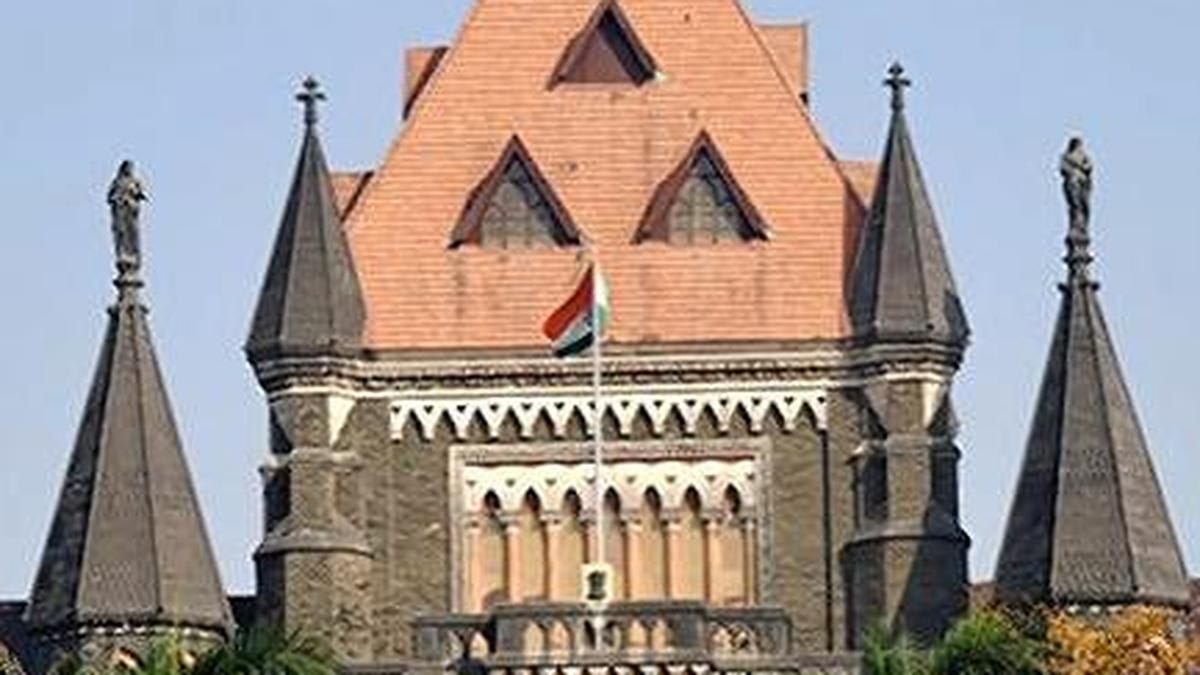
The Bombay High Court ruled that Section 75 of the Bharatiya Nyay Sanhita can apply to cases involving transgender complainants who identify as women. Justice Mehroz Pathan rejected a discharge plea, affirming that hormonal treatment and gender identity support the application of laws protecting women's modesty.
Legal Precedent and Gender Identity under BNS
The Bombay High Court's recent ruling regarding Section 75 of the Bharatiya Nyay Sanhita (BNS) marks a significant moment in the intersection of Indian criminal law and transgender rights. By refusing to discharge the applicant, Vishal Ingle, Justice Mehroz Pathan has established a clear judicial stance: the protections afforded to women under the BNS are not strictly biological but include individuals who identify as women and have pursued medical transition, such as hormone therapy.
Understanding the Scope of Section 75
Section 75 of the Bharatiya Nyay Sanhita deals with the outraging of a woman's modesty. The core legal contention in this case centered on the definition of 'woman' within the statute. The defense argued that the complainant, being transgender, fell outside the scope of this specific legal protection. However, the court’s decision to prioritize the complainant's lived identity and medical transition path over a rigid, traditionalist interpretation of gender categories highlights an evolving judicial understanding of inclusivity in the justice system.
The Significance of Hormone Therapy in Judicial Review
Justice Pathan specifically noted that the complainant had undergone treatment for hormone changes and self-identifies as a woman. By acknowledging these factors, the court has signaled that the law must adapt to the physical and social realities of transgender individuals. This recognition serves as a vital safeguard, ensuring that those who have undertaken steps to align their physical body with their gender identity are not left legally vulnerable to crimes specifically targeting women’s modesty.
Broader Implications for Legal Reform
The ruling effectively bridges a gap between the letter of the law and modern societal norms. In India, the legal recognition of transgender rights has been a slow but steady process, catalyzed by landmark Supreme Court judgments that affirm the right to self-identify. This Bombay High Court order reinforces that these rights are not merely abstract concepts but are applicable in the practical enforcement of criminal statutes, thereby providing a robust framework for prosecuting gender-based offenses.
Future Trends in Jurisprudence
This decision is likely to serve as a persuasive precedent for lower courts facing similar challenges. As the Bharatiya Nyay Sanhita continues to be tested in various legal scenarios, courts will inevitably encounter more cases that require a nuanced interpretation of gender. By setting this standard, the Bombay High Court has paved the way for a more equitable application of law, ensuring that the protection of modesty is determined by the victim's identity rather than narrow, outdated definitions of gender.
Conclusion
In summary, the decision by Justice Mehroz Pathan is a progressive step toward ensuring that the protections under the Bharatiya Nyay Sanhita remain relevant in a changing society. By validating the complainant's identity, the court has affirmed that the dignity and modesty of a person are paramount, regardless of their transgender status, provided they identify as a woman and have actively transitioned.
Verification Required?