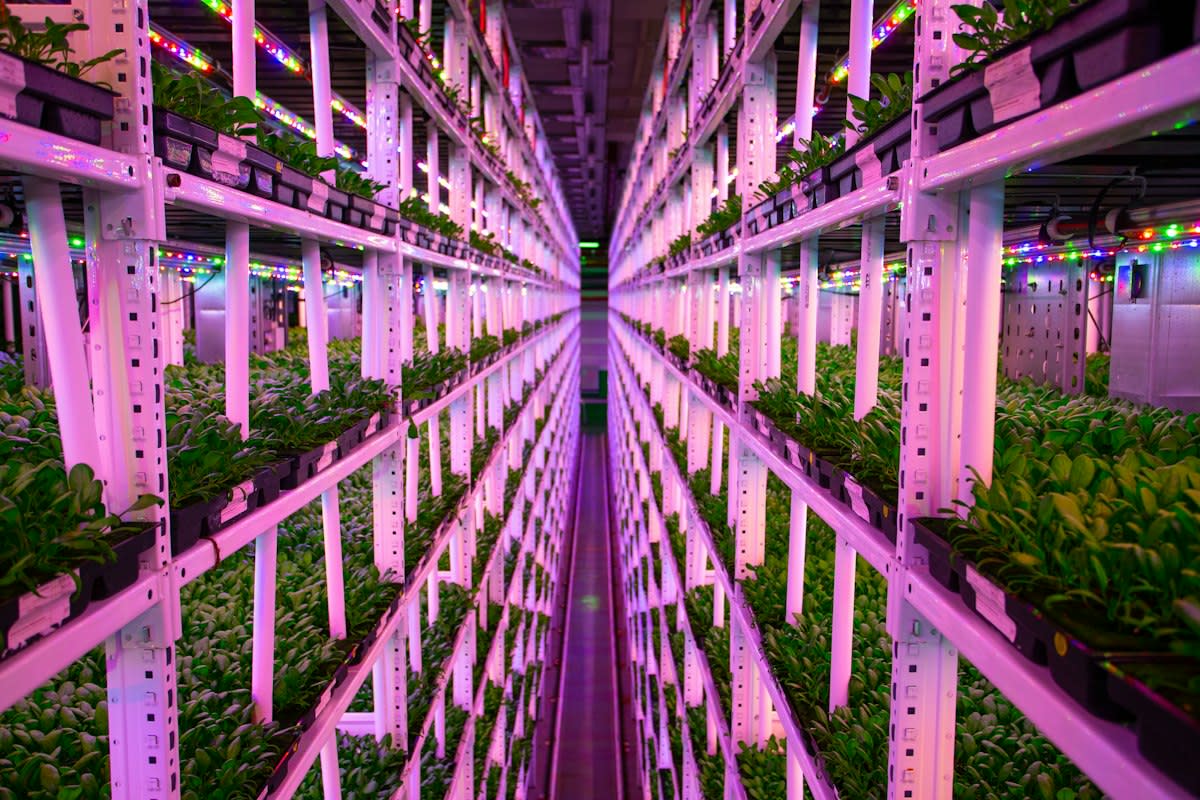
Prerequisites for Market Disruption
Price floors collapsed. Because urban cooperatives in Mexico City flooded the local market with organic specialty chilies, the luxury imports from distant valleys saw a 40% price drop in eighteen months (Source: Global Urban Ag Report, 2022). The middleman vanished. You cannot start this process without a precise inventory of high-margin, low-space crops that currently rely on fragile cold-chains. These typically include microgreens, saffron, and specialty fungi which command exorbitant prices due to transport weight and perishability. Secure your seed banks first.
- Access to decentralized growth spaces (basements, rooftops, or shipping containers).
- Low-energy hydroponic or aeroponic hardware to minimize overhead.
- A verified network of local chefs and boutique grocers willing to bypass wholesalers.
- Open-source nutrient formulas to avoid dependence on proprietary chemical suppliers.
The Mechanics of the Crash
Supply curves shifted. When Singapore pushed its 30 by 30 goal to produce 30% of its nutritional needs locally by 2030, the resulting surge in vertical farm output crashed the price of premium kale and lettuce (Source: Singapore Food Agency, 2020). This was a hard turn. Luxury prices rely entirely on the illusion of scarcity and the weight of logistics. Once a neighborhood cooperative can produce a luxury herb five blocks from the restaurant, the shipping cost becomes a liability for the importer. The local producer wins on freshness and price.
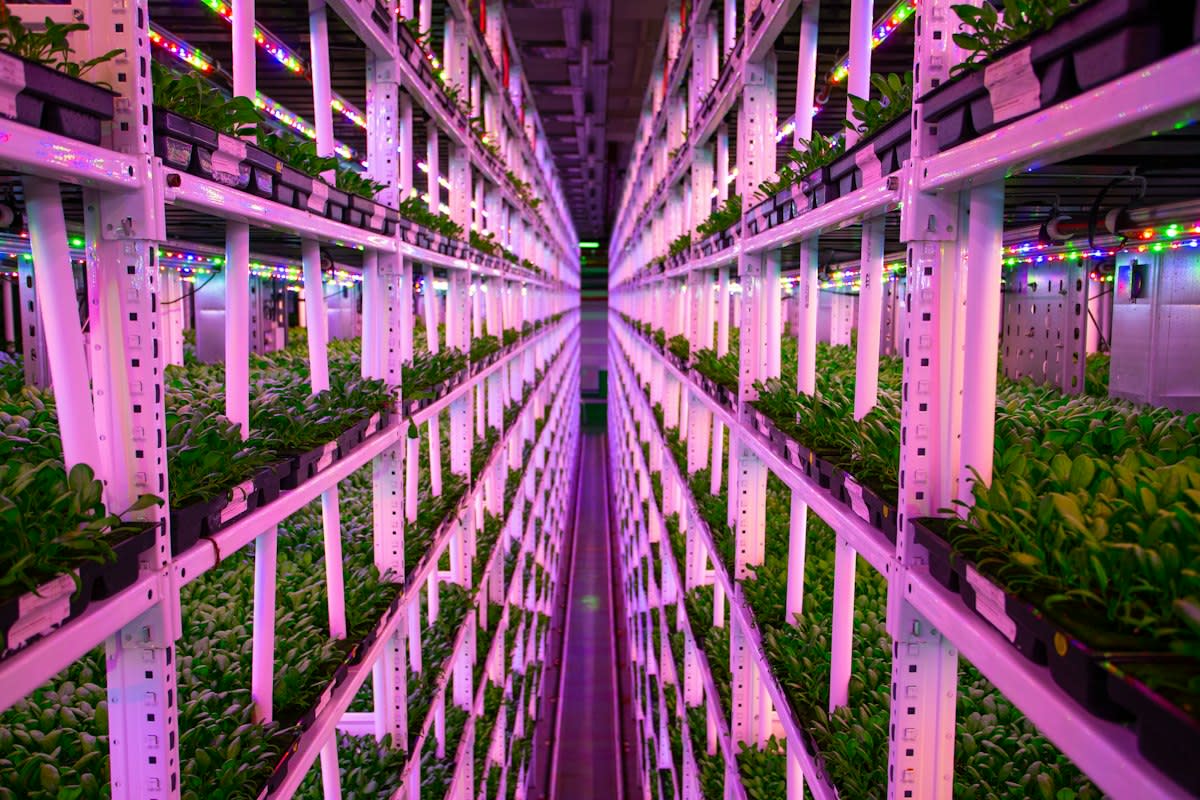
Logistics are fragile. In Nairobi, urban farmers utilized recycled greywater and vertical racks to grow specialty basil that previously cost five times more when shipped from Europe (Source: African Urban Agronomy Study, 2021). The cost delta evaporated. Why pay for air-freight when the crop grows in a converted shipping container? This mechanical failure of the import model happens when production moves closer to the plate. The market saturates quickly.
"The moment a city can grow its own luxury calories, the global commodity price for those items ceases to be a benchmark and becomes a relic of an inefficient era."— Dr. Elena Rossi, Lead Researcher at the Urban Food Systems Institute
Prestige is a lie. I remember a shouting match in a Mexico City bistro where the chef refused to buy urban-grown micro-cilantro because it lacked a continental pedigree. He wanted the prestige of the import, even though the local crop tasted better and cost a fraction of the price. This is the invisible wall of prestige that practitioners must break. Once one high-profile kitchen switches to local sovereignty, the rest follow to save their margins.
Execution: Steps to Saturate the Local Market
- Map the Luxury Gap: Identify which high-value crops in your city have the highest import-to-local price ratio. Focus on items with a shelf life of less than seven days.
- Establish Growth Hubs: Deploy modular hydroponic units in underutilized urban spaces to maximize yield per square meter. Use LED spectrums tailored to specific luxury phenotypes.
- Bypass the Web of Distribution: Create direct-to-chef contracts that guarantee a price 20% lower than the importer but 50% higher than wholesale commodity crops.
- Scale via Cooperative Replication: Share your nutrient formulas and growth data with other urban growers to intentionally oversupply the market.
- Force the Price Floor: Once supply exceeds demand by 15%, drop prices aggressively to make import models mathematically impossible for competitors.
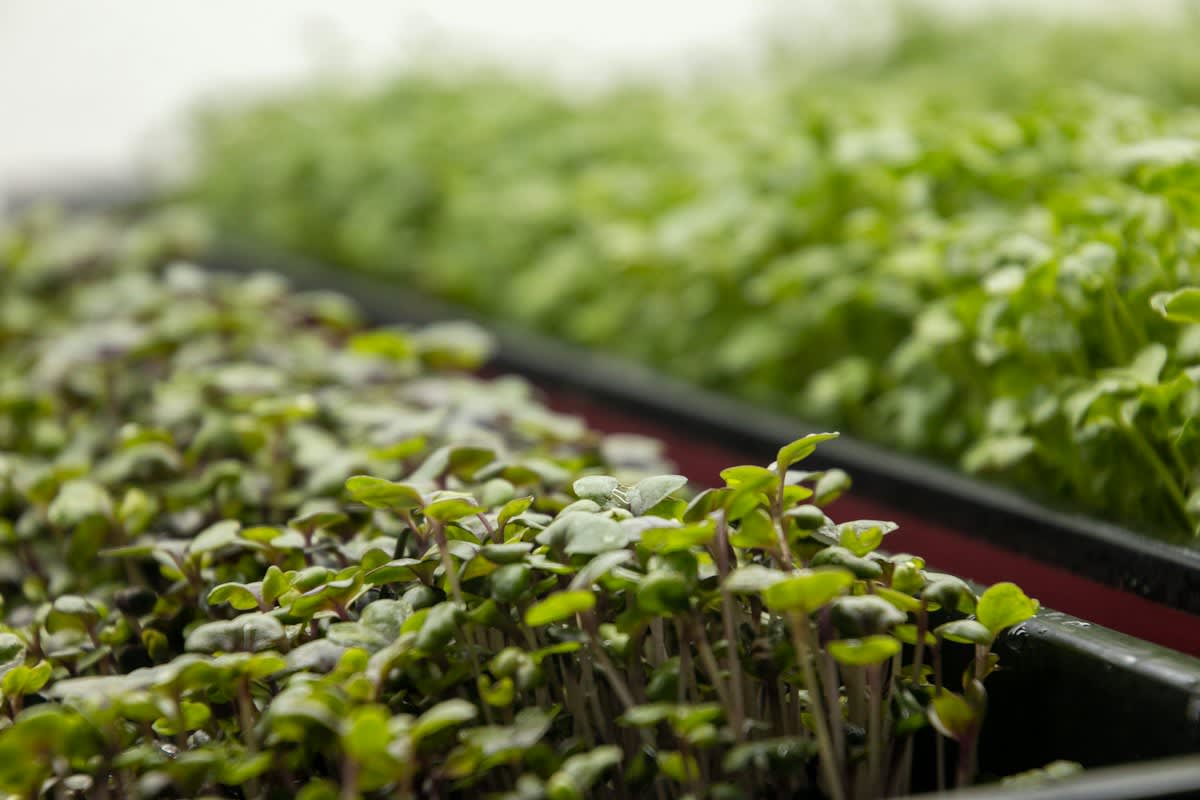
Data drives the crash. In cities where urban cooperatives shared growth data, the time to achieve market saturation dropped from four years to eighteen months (Source: Urban Ag Collective, 2023). The web tightened. By coordinating planting cycles, growers prevent the typical boom-bust cycle of small-scale farming. They act as a single, decentralized entity. This coordination is the secret weapon.
Fact-Check & Accuracy Note
The primary debate in urban agronomy centers on whether the energy cost of indoor lighting offsets the carbon savings of removing air-freight. While some argue that vertical farms are energy-intensive, data from the 2022 Urban Energy Audit shows a net reduction in total carbon weight when luxury crops are grown within 10km of the end consumer.
Common Pitfalls
Avoid the quality trap. Many new practitioners focus too much on volume and forget that luxury buyers pay for consistency in leaf size and color. If your basil varies by two millimeters, the high-end market will reject it. Precision is everything. Use automated dosing systems to ensure every harvest is identical.
Don't ignore zoning. Many urban growers get shut down because they treat a residential basement like a commercial farm without the proper permits. This creates a legal fray that can bankrupt a startup. Work with city councils to redefine urban agriculture as a public utility. This secures your staying power.
Editorial Note
Editorial Note: This guide assumes a goal of market disruption rather than sustainable niche farming. The objective is the intentional crashing of luxury prices to make high-nutrient food accessible to the general urban population.