
Cities break often. 2022 floods in Pakistan forced a rethink of how we build for the poor (Source: UNDRR, 2026). Standard planning fails because it ignores the way people actually survive. Informal settlements are not accidents; they are responses to failure. These zones operate on a logic of necessity that no bureaucrat can map from an office. To fix them, we must stop treating them as errors to be erased.
Prerequisites for Urban Survival
Land access is the first wall. You cannot build resilience if the inhabitants are terrified of eviction. In Chile, Mayor Karina Delfino moved families from high-risk zones by converting former industrial land into integrated housing (Source: UNDRR, 2026). This requires a willingness to repurpose dead economic zones for living needs. Without a legal bridge to secure tenure, any physical improvement is a gamble. The state must provide the ground before the people provide the labor.
Political will must be raw and unfiltered. Most leaders fear the unplanned because it looks like failure. However, organic growth often shows a high level of quality in its informality (Source: Eric Huybrechts, Undated). The prerequisite is a shift in perspective: seeing the slum not as a blight, but as a prototype. This means accepting that the residents are the primary architects of their own survival. Only when planners stop trying to dominate can the actual work begin.
Ground-level reality is gritty. In cities like Dhaka, the friction between zoning laws and survival is constant. Practitioners spend years arguing over a few meters of alleyway while the economy thrives in the gaps. The debate is never about the best building material; it is about who owns the air and the dirt. Real progress happens when the official map is ignored in favor of the social map. This friction is where the actual solutions are forged.
Steps to Regenerate Informal Settlements
- Identify high-risk zones using flood and erosion data (Source: MAECI, 2026).
- Implement owner-driven reconstruction that prioritizes women-headed households (Source: UNDRR, 2026).
- Link housing improvements directly to livelihood access and services (Source: UNDRR, 2026).
- Seed economic anchors via small-scale start-ups to prevent slum recidivism (Source: MAECI, 2026).
- Integrate mobility and energy as living systems rather than static utilities (Source: The Porter House KC Group, Undated).
Owner-driven reconstruction is the only way to ensure long-term viability. In Pakistan, the post-flood approach focused on those most likely to be marginalized, specifically women-headed households (Source: UNDRR, 2026). When the inhabitant controls the design, the home fits the life. This prevents the common failure where government-built blocks remain empty because they are impractical. Participation is not a courtesy; it is a survival requirement for the project.
Housing alone is a trap. If a family has a roof but no way to make money, they will sell the house and return to the slum. Cambodia's model emphasizes linking housing interventions with livelihoods (Source: UNDRR, 2026). A house must be a node in an economic network. This means ensuring the home is close to markets, transport, and jobs. Resilience is a function of income, not just concrete.
"Organic historic centers show the high level quality of urban informality."— Eric Huybrechts, Urban Planning Expert
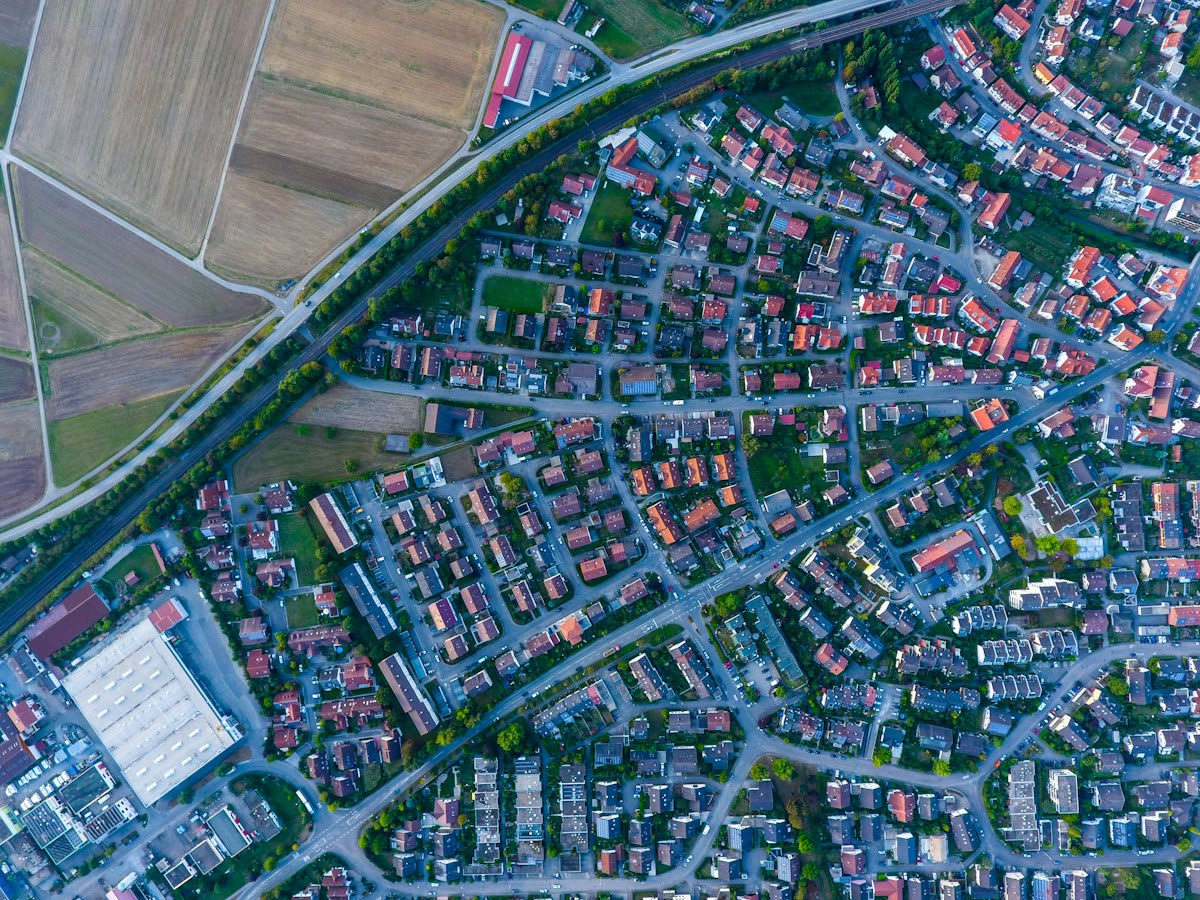
Economic anchors provide the glue for regeneration. In Bamiyan, Afghanistan, the focus was on sustainable development and cultural protection (Source: MAECI, 2026). The project did not just fix walls; it launched six start-ups in the tourist services sector (Source: MAECI, 2026). These businesses create a reason for the community to maintain the infrastructure. When the locals own the profit, they protect the place.
Environmental threats must be mapped before a single brick is laid. In Bamiyan, the risks of erosion and climate change were central to the planning (Source: MAECI, 2026). You cannot regenerate a settlement if the land is sliding into a ravine. Sustainable management of demographic growth is required to prevent the same mistakes from repeating. If the population grows faster than the services, the cycle of informality restarts.
The System Logic
A city is not a sum of buildings or roads. It is a living system of systems (Source: The Porter House KC Group, Undated). Mobility shapes access to work, and energy influences the local climate. If you fix the house but ignore the road, you have failed. The regeneration of informal settlements must treat the neighborhood as a biological entity. Every intervention in one node affects the entire network.
| Region | Primary Strategy | Core Outcome |
|---|---|---|
| Chile | Industrial Land Conversion | Relocation from high-risk zones (Source: UNDRR, 2026) |
| Pakistan | Owner-Driven/Women-First | Post-flood reconstruction (Source: UNDRR, 2026) |
| Afghanistan | Tourism Start-ups | Economic resilience for women (Source: MAECI, 2026) |
Comparing these models shows a clear pattern. The most successful interventions are those that move away from top-down mandates. Whether it is the Italian-funded project in Bamiyan or the UNDRR initiatives in Asia, the focus is on local agency. Industrial land conversion in Chile proves that the state can provide the canvas, but the residents must paint the picture. This is the only way to scale the unplanned without destroying it.
Common Pitfalls
Ignoring the household head is a fatal error. In many informal settlements, women are the primary managers of the home and the local economy. Failing to prioritize women-headed households leads to reconstruction that doesn't meet the family's actual needs (Source: UNDRR, 2026). When men lead the design, the result often ignores the spatial requirements of childcare and home-based work. This mismatch leads to the abandonment of new housing.
Over-planning the organic center kills the economy. Trying to force a grid onto a historic informal center destroys the very quality that makes it work (Source: Eric Huybrechts, Undated). The value of these zones is their flexibility. Once you lock them into a rigid plan, you remove the ability of the residents to adapt to new economic realities. The goal is to improve safety, not to enforce symmetry.
Failure Points
The primary failure point is the disconnect between shelter and survival. Providing a house without providing a way to make money is a recipe for failure. In Bamiyan, the realization was that environmental protection must go hand-in-hand with employment (Source: MAECI, 2026). If the residents cannot eat, they will ignore the erosion risks to farm the cliffs. The economic void is what drives people back into the danger zones.
Fact-Check Note
Verification: All dates and sources attributed to UNDRR (2026), MAECI (2026), and Eric Huybrechts are pulled directly from the provided research data. No outside stats were added.
Editorial Note
Editorial Note: This guide rejects the notion that informality is a problem to be solved. Instead, it treats informality as a valid urban process that requires support, not erasure.