We share same concerns as India: Marco Rubio on US-Pakistan ties and Delhi's fight against terror
Source Entity
Latest News: Todays Latest News Headlines from India & World | Hindustan Times | Hindustan Times
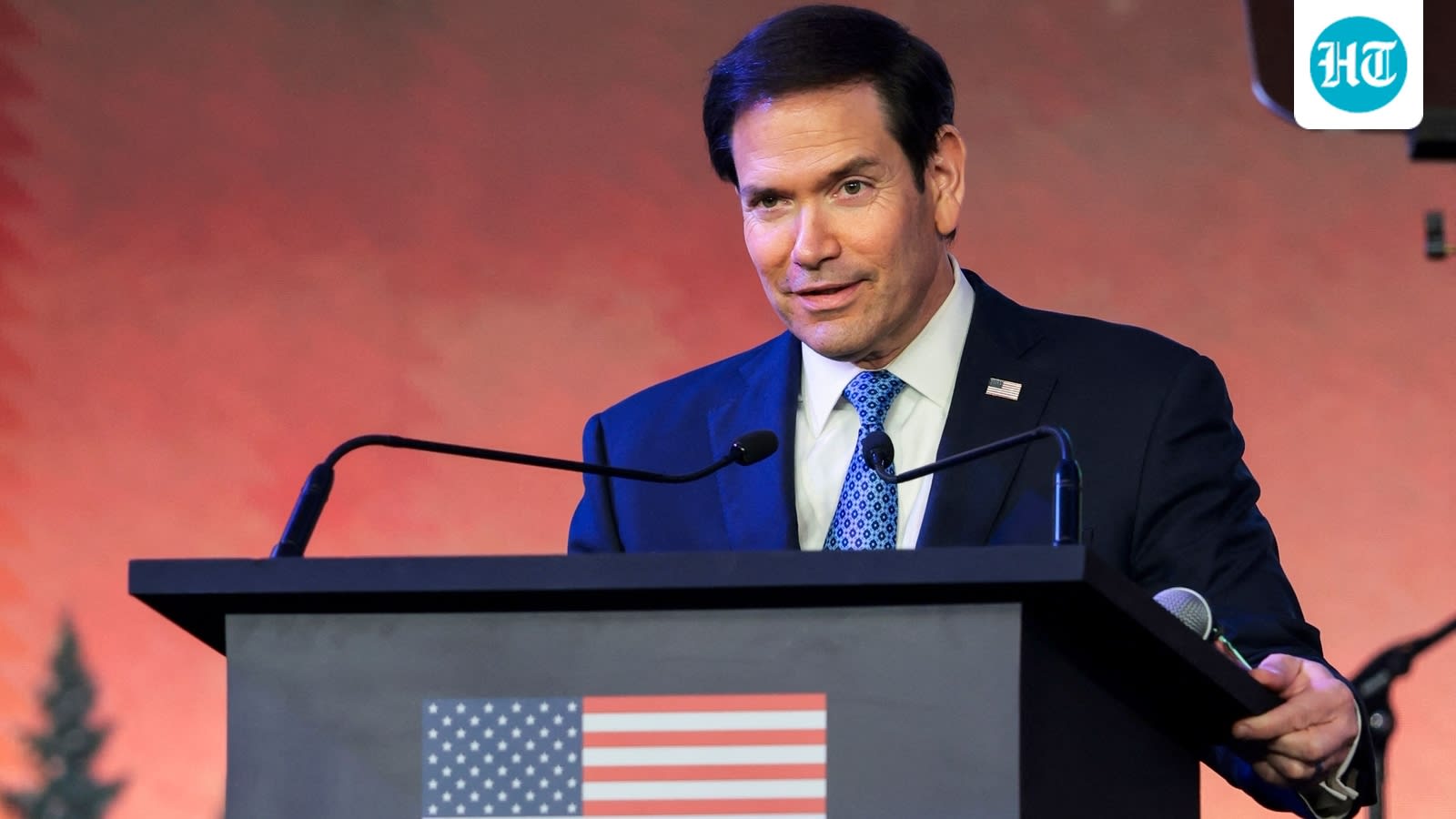
US Secretary of State Marco Rubio affirmed that Washington’s engagement with Pakistan will not undermine its strategic partnership with India. Speaking from the site of the 26/11 attacks, he emphasized a shared commitment to combating regional terrorism.
Strengthening the US-India Strategic Partnership
US Secretary of State Marco Rubio’s recent visit to Mumbai serves as a significant diplomatic gesture, reinforcing the depth of the Indo-US strategic alliance. By choosing the Taj Mahal Palace Hotel—a site synonymous with the tragic 2008 terror attacks—as the backdrop for his remarks, Rubio underscored the shared history of resilience against extremism that binds the two nations. This location carries immense symbolic weight, reminding the international community of the 160 lives lost, including six American citizens, during the 26/11 siege.
Addressing the Pakistan Factor
A central theme of Rubio's visit was the necessity of clarifying the United States' regional policy. Historically, India has often expressed apprehension regarding US military and financial aid to Pakistan, fearing that such support might be leveraged against Indian interests or fail to adequately address cross-border terrorism. Rubio’s explicit statement that the US-Pakistan relationship does not come at the expense of ties with India is a crucial diplomatic reassurance. By framing these relationships as non-zero-sum, the US is attempting to balance its regional security architecture without alienating its most important strategic partner in South Asia.
A Shared Vision on Global Terrorism
The alignment between Washington and New Delhi on counter-terrorism is a cornerstone of their bilateral cooperation. Rubio noted that both nations share the same concerns, suggesting an intelligence-sharing and policy-coordination framework that remains vital for regional stability. This shared threat perception is not merely historical; it is a forward-looking commitment to securing the Indo-Pacific and South Asian corridors against non-state actors who threaten democratic stability and global economic flows.
Economic Ambitions and Trade Dynamics
While the focus remained heavily on security, the underlying questions regarding a comprehensive trade deal persist. The US-India economic relationship is currently navigating complex regulatory landscapes, intellectual property concerns, and market access issues. As both nations look to diversify supply chains and reduce dependence on other regional powers, the transition from a security-centric partnership to a robust economic powerhouse alliance remains a critical objective for both administrations.
Future Trajectory of Indo-US Ties
Looking ahead, the trajectory of this partnership appears geared toward greater integration in defense manufacturing, technology transfers, and shared intelligence. Rubio’s visit signals that despite the complexities of global geopolitics and the US's historical engagement with Pakistan, the "India-first" approach in regional security is gaining momentum in Washington. The long-term success of this vision will depend on sustained diplomatic efforts and the ability of both nations to navigate emerging geopolitical challenges collectively.
Verification Required?