Florida girl named in sperm donor's will loses claim to his house
Source Entity
TOI WORLD DESK
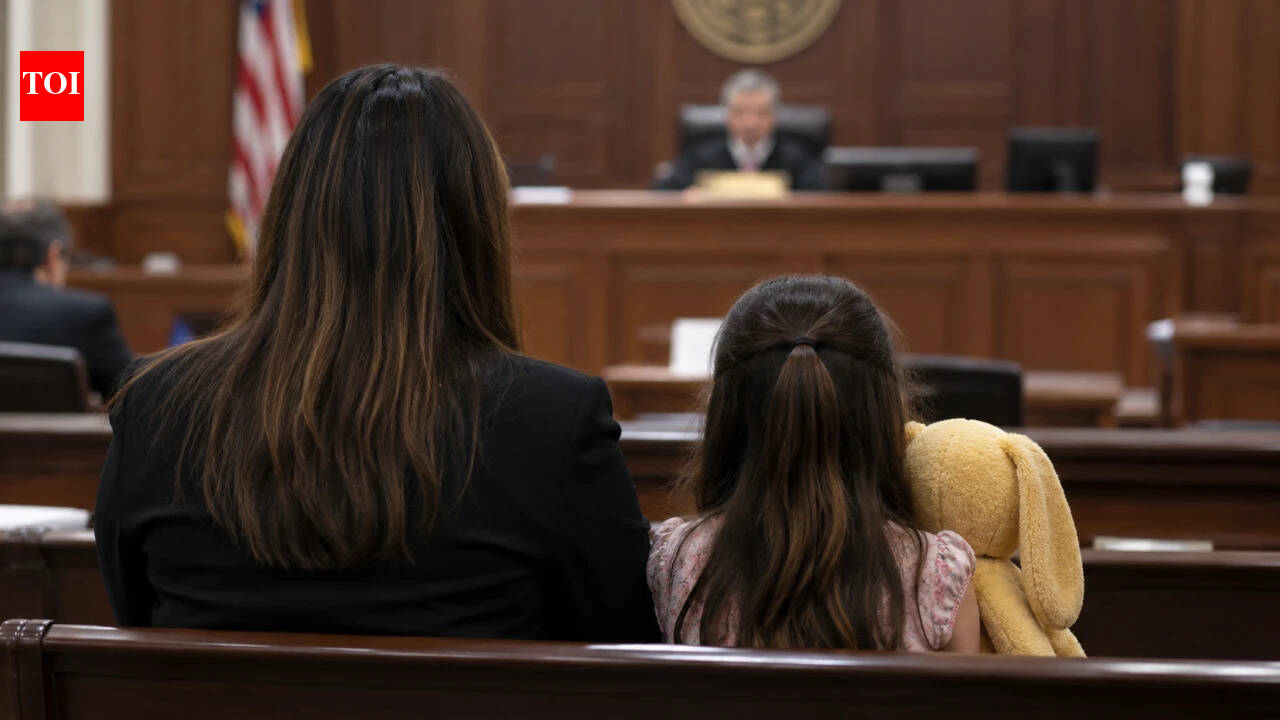
A Florida appeals court has denied a young girl's claim to a deceased sperm donor's home, despite her inclusion in his will. The ruling centers on legal definitions of homestead property and the limitations of inheritance rights within donor agreements.
Legal Precedent and the Limits of Testamentary Intent
A recent ruling by a Florida appeals court has underscored the complex interplay between private agreements and statutory property laws. The case involves a young girl, born via a 2017 sperm donor agreement between Melissa Azrack and the late Malcolm Dorman, who was subsequently named as a beneficiary in Dorman's will. Despite this clear expression of intent, the court upheld the denial of the child’s claim to Dorman’s Florida residence, highlighting that even explicit testamentary wishes can be superseded by rigid state property statutes.
The Homestead Property Distinction
The core of this legal dispute rests on the specific legal designation of 'homestead property' under Florida law. While the testator, Malcolm Dorman, intended for the child to inherit the home via his will, the lower court determined that the property did not qualify for the protections or inheritance structures typically associated with homestead status in this context. Because the claimant failed to successfully challenge this fundamental finding, the appellate court found no legal grounds to overturn the denial, effectively prioritizing the classification of the asset over the stated wishes of the deceased.
Implications for Sperm Donor Agreements
This case serves as a cautionary tale regarding the limitations of private contracts in reproductive law. While sperm donor agreements provide a framework for parental rights and responsibilities, they often exist in a legal gray area when it comes to the transfer of real estate or inheritance rights. The ruling suggests that individuals seeking to provide for children conceived through such agreements must ensure that their estate planning documents are not only explicit but also strictly aligned with the nuances of state property law, particularly regarding how assets are titled and categorized.
Historical Context of Florida Estate Law
Florida has long maintained stringent laws regarding homestead property, primarily designed to protect surviving spouses and minor children from losing the family home. However, these protections are not universal and are subject to precise statutory definitions. The failure of this claim demonstrates that when an asset does not meet the technical criteria for homestead protection, it becomes subject to standard probate procedures, which can often frustrate the specific intentions of a benefactor if those intentions conflict with the legal status of the property.
Future Trends in Reproductive and Inheritance Litigation
As the use of assisted reproductive technology continues to rise, courts will likely see an increase in cases where traditional inheritance laws collide with modern family structures. This case indicates that the judiciary remains hesitant to expand the scope of protected interests beyond established statutory boundaries. Moving forward, legal professionals will likely advise clients to utilize more robust mechanisms, such as trusts or life estates, to secure property interests for children born of donor agreements, rather than relying solely on inclusion within a standard will.
Conclusion
Ultimately, the appellate court’s decision reinforces the principle that intent, while significant in estate planning, cannot override the technical requirements of property law. For families and legal practitioners, the takeaway is clear: the path to securing an inheritance is paved with adherence to state-specific property regulations. Without a successful challenge to the underlying classification of the property, the child's inclusion in the will remained insufficient to override the legal barriers to claiming the residence.