U.S. pulls diplomats from Saudi Arabia as it reportedly readies Iran strikes after midterms
Source Entity
US Top News and Analysis
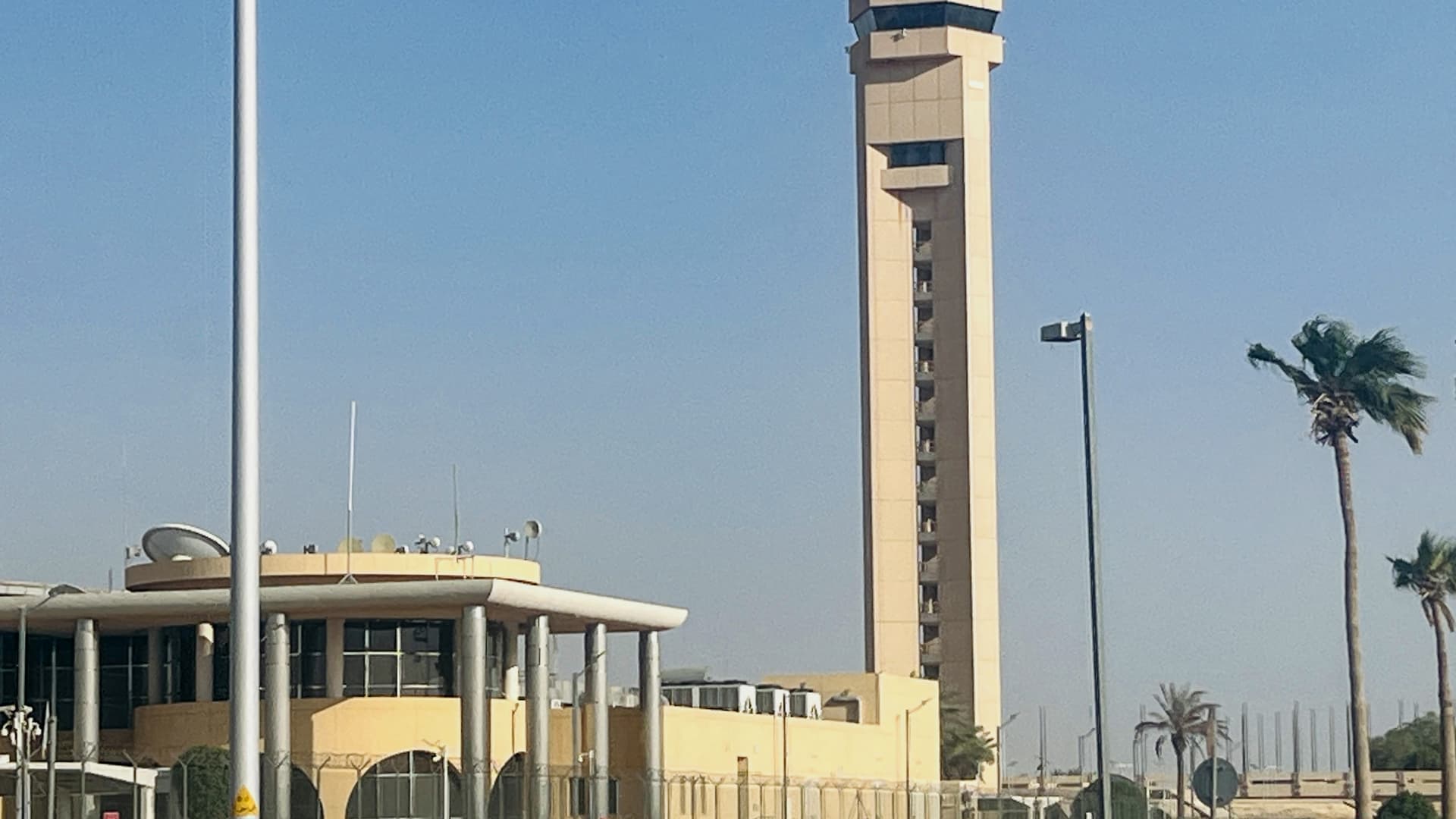
Escalating Houthi drone attacks on Saudi oil and airport infrastructure have prompted the United States to order non-essential embassy staff and their families to evacuate Saudi Arabia and several neighboring Gulf states. The regional security crisis has resulted in multiple casualties and significant disruption to critical infrastructure and aviation operations.
Regional Instability: Houthi Attacks Trigger Diplomatic Withdrawals
The recent escalation of hostilities in the Middle East has reached a critical inflection point as Yemen-based Houthi rebels ramp up drone strikes against Saudi Arabian infrastructure. The situation has become increasingly dire, with confirmed reports of fatalities and injuries occurring at both the Shaybah oil field and the King Fahd International Airport in Dammam. These precision-targeting incidents, characterized by drone debris causing fires and structural damage, signal a sophisticated and dangerous shift in the regional conflict landscape.
Impact on Critical Infrastructure
The strike on the Shaybah oil field, which resulted in two deaths and an injury to an Indian national, highlights the vulnerability of Saudi Arabia's energy sector. Simultaneously, the attack on King Fahd International Airport—resulting in one death and eight injuries—has forced immediate operational changes, including the diversion of civilian aircraft as tracked by services like Flightradar24. These attacks are not merely tactical; they represent a sustained effort to destabilize the economic and logistical heartbeat of the Gulf region.
The US Diplomatic Response
In response to the deteriorating security environment, the United States State Department has issued a formal order for non-emergency US government employees and their families to depart from Saudi Arabia. This precautionary measure reflects a profound concern within the intelligence community regarding the potential for further, more frequent, and more lethal attacks. The directive serves as a clear acknowledgment that the current security guarantees for personnel in the region are being tested by the relentless nature of these aerial assaults.
A Broader Regional Crisis
The order for staff and families to leave extends beyond Saudi Arabia, encompassing the United Arab Emirates, Jordan, Qatar, and Bahrain. This indicates that Washington views the current threat landscape as a generalized regional crisis rather than a localized Saudi-specific issue. The inclusion of these neighboring states suggests that the US government perceives a significant risk of the conflict spreading, potentially involving wider Iranian-backed activities that threaten the safety of diplomatic missions across the Persian Gulf.
Long-term Strategic Implications
The current trajectory suggests a period of heightened volatility for Gulf security. As critical infrastructure remains a primary target, the global energy markets and international transit hubs face persistent uncertainty. The shift from localized skirmishes to sustained, high-impact drone warfare necessitates a reassessment of defense postures in the region. Moving forward, the international community will be closely watching whether these diplomatic withdrawals are the precursor to more robust military intervention or if they signal a long-term strategic retreat from the immediate theater of conflict.
Conclusion
The combination of fatal attacks on civilian and energy infrastructure, coupled with the mass withdrawal of American diplomatic personnel, marks a dangerous escalation in Middle Eastern tensions. The security of the region is currently in a state of flux, with the threat of Houthi-led drone operations remaining the primary driver of this diplomatic and humanitarian crisis.
Multiple Citing Sources