CJP leaders Saurav Das, Ashutosh Ranka summoned by Delhi Police Crime Branch after release from jail
Source Entity
India Latest News: Top National Headlines Today & Breaking News | The Hindu
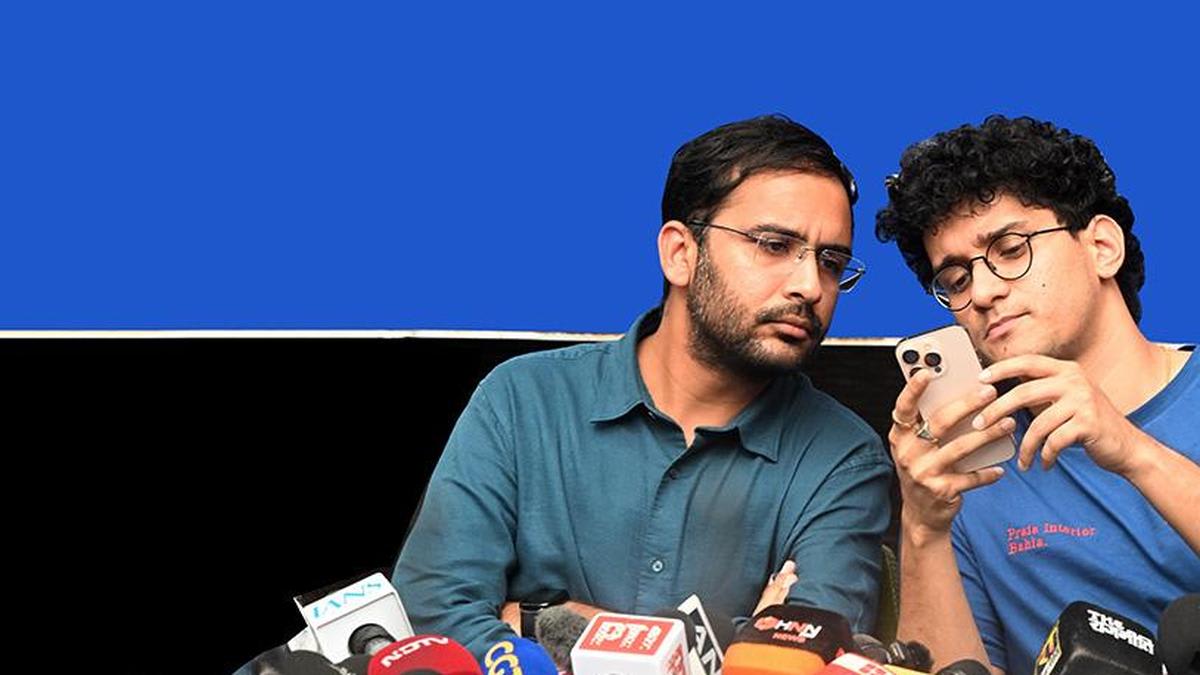
Cockroach Janta Party leaders Saurav Das and Ashutosh Ranka were released from Tihar Jail following the expiry of their judicial custody. Despite their release, the Delhi Crime Branch has summoned them alongside Ajinkya Shinde for further questioning regarding the October 14 Jantar Mantar protest.
CJP Leadership Dynamics Post-Jail Release
The political landscape surrounding the Cockroach Janta Party (CJP) has shifted following the release of senior leaders Saurav Das and Ashutosh Ranka from Tihar Jail. The pair had been held in judicial custody in connection with a protest held at Jantar Mantar on October 14, 2026. Their release, ordered by the Special Executive Magistrate (SEM) court on October 21, marks a significant moment for the party’s internal hierarchy and public image.
The Internal Power Dynamics
Following the release, CJP founder Abhijeet Dipke publicly lauded Das and Ranka, characterizing them as "much, much bigger leaders" than himself. This rhetoric suggests a deliberate effort to consolidate party unity and elevate the stature of those who have endured state detention. Dipke’s vocal commitment to follow their orders serves as a morale-boosting signal to the party cadre, reinforcing a narrative of collective sacrifice and leadership resilience.
Legal Hurdles and Compliance
The path to freedom for Das and Ranka was not without conditions. To secure their release, the leaders were required to furnish personal and surety bonds of Rs 50,000 each. Furthermore, they submitted written undertakings to the SEM court, pledging to maintain peace and abide by the rule of law. Crucially, the court has placed restrictions on their ability to organize or call for further protests at the Jantar Mantar site, a development that complicates the party’s future mobilization strategies.
Ongoing Investigations
Despite the judicial relief, the legal challenges for the CJP are far from over. On October 22, the Delhi Police Crime Branch issued summons to Das, Ranka, and a third leader, Ajinkya Shinde, for questioning. This indicates that the investigation into the October 14 incident remains highly active, with authorities likely scrutinizing the logistics and intent behind the gathering at Jantar Mantar.
Institutional Scrutiny and Future Trends
Legal counsel for the CJP, led by Ratna Singh, has expressed that the release should have occurred sooner, highlighting a potential friction point between political activism and administrative detention. As the party navigates these summons, the broader implication is a period of heightened legal monitoring for the CJP. The party will likely need to balance its goal of public advocacy with the strict constraints imposed by the court to avoid further detention.
Conclusion
The immediate future for the Cockroach Janta Party hinges on how its leadership manages the dual pressures of ongoing police investigations and the stringent conditions of their release. By framing the ordeal as a badge of honor, the CJP is attempting to strengthen its internal bonds, but they remain tethered by the legal parameters set by the Delhi administration.
Verification Required?