UDF MPs in Keralam clash over Vistadome coach credit for Madurai-Guruvayur Express
Source Entity
India Latest News: Top National Headlines Today & Breaking News | The Hindu
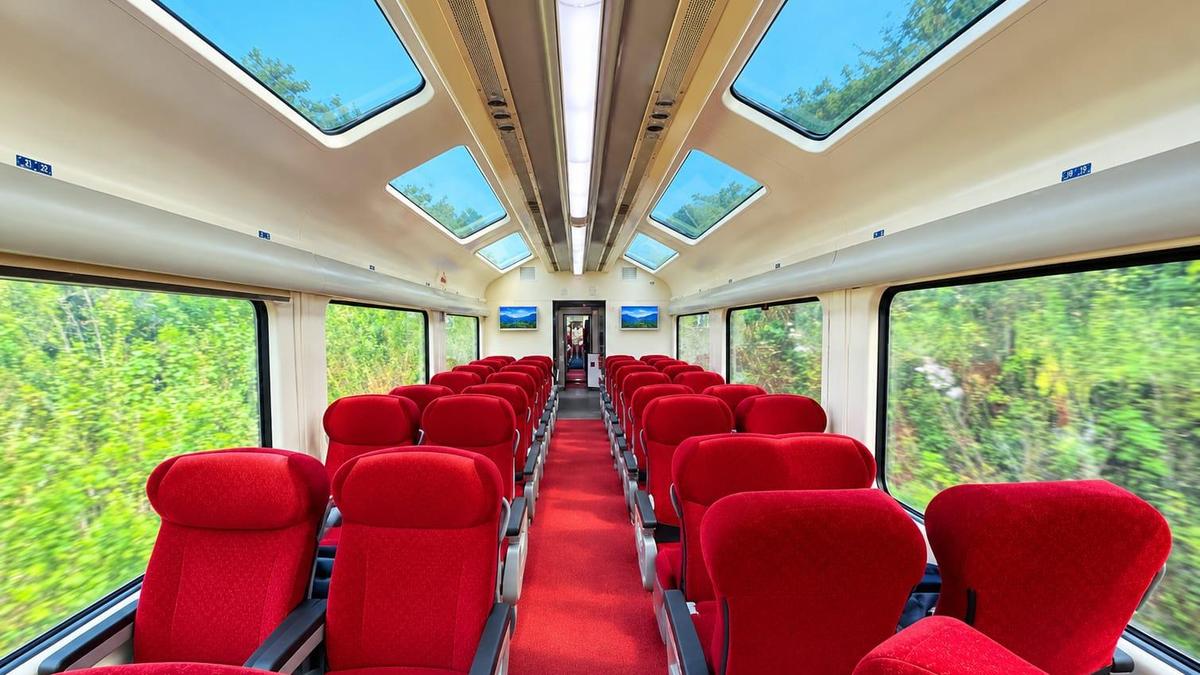
A public dispute has emerged between UDF MPs N.K. Premachandran and Kodikunnil Suresh over credit for the introduction of a Vistadome coach on the Madurai-Guruvayur Express. The disagreement escalated into a social media spat involving personal staff, highlighting internal tensions regarding political influence and representation.
The Vistadome Tug-of-War: A Study in Political Credit-Claiming
A localized but significant political controversy has emerged within the United Democratic Front (UDF) in Kerala, centering on the introduction of a Vistadome coach for the Madurai-Guruvayur Express. At the heart of the dispute are MPs N.K. Premachandran and Kodikunnil Suresh, both of whom have publicly staked claims to being the primary architect behind securing this specialized infrastructure for the state. This clash illustrates the high stakes of 'development politics,' where securing tangible infrastructure improvements is often viewed as a vital metric of legislative success.
The Mechanics of Public Perception
In the modern political landscape, social media has become the primary battleground for narrative control. By taking their dispute to digital platforms, both Premachandran and Suresh sought to solidify their standing with their respective constituents. The move reflects a broader trend in Indian politics where the speed and visibility of credit-claiming are just as important as the administrative work required to bring projects to fruition. The public nature of this disagreement suggests that the MPs view the Vistadome coach not merely as a transport upgrade, but as a symbolic victory to be harvested for political capital.
Internal Friction and Staff Involvement
The conflict intensified when Abdullah Azad, a staff member for Kodikunnil Suresh, issued a public critique aimed at N.K. Premachandran. By suggesting that Premachandran’s efforts were limited to formal representations without the necessary 'consistent follow-ups,' the staffer shifted the argument from 'who asked for it' to 'who actually delivered it.' This escalation is significant, as it indicates a breakdown in coordination among coalition partners and suggests that internal competition for electoral relevance is overshadowing the collaborative spirit typically expected within the UDF.
The Broader Implications for Infrastructure Politics
Railway projects, particularly those involving premium services like Vistadome coaches, are highly coveted because they signify modernization and tourism potential. When multiple representatives claim credit for such projects, it highlights a systemic issue in legislative follow-ups. The debate underscores the difference between passive advocacy—submitting letters to ministries—and active, persistent lobbying that is often required to navigate the bureaucratic hurdles of the Indian Railway system.
Future Trends and Political Fallout
This incident is likely a precursor to further friction as the election cycle nears and candidates look to highlight their achievements. As voters increasingly demand accountability and visible development, the scramble for credit will likely intensify. The UDF leadership may now face the challenge of mediating these internal disputes to prevent them from becoming a liability. Unless a unified strategy is adopted, such public spats risk alienating the electorate, who may view the infighting as a distraction from the core responsibilities of effective governance and service delivery.
Verification Required?