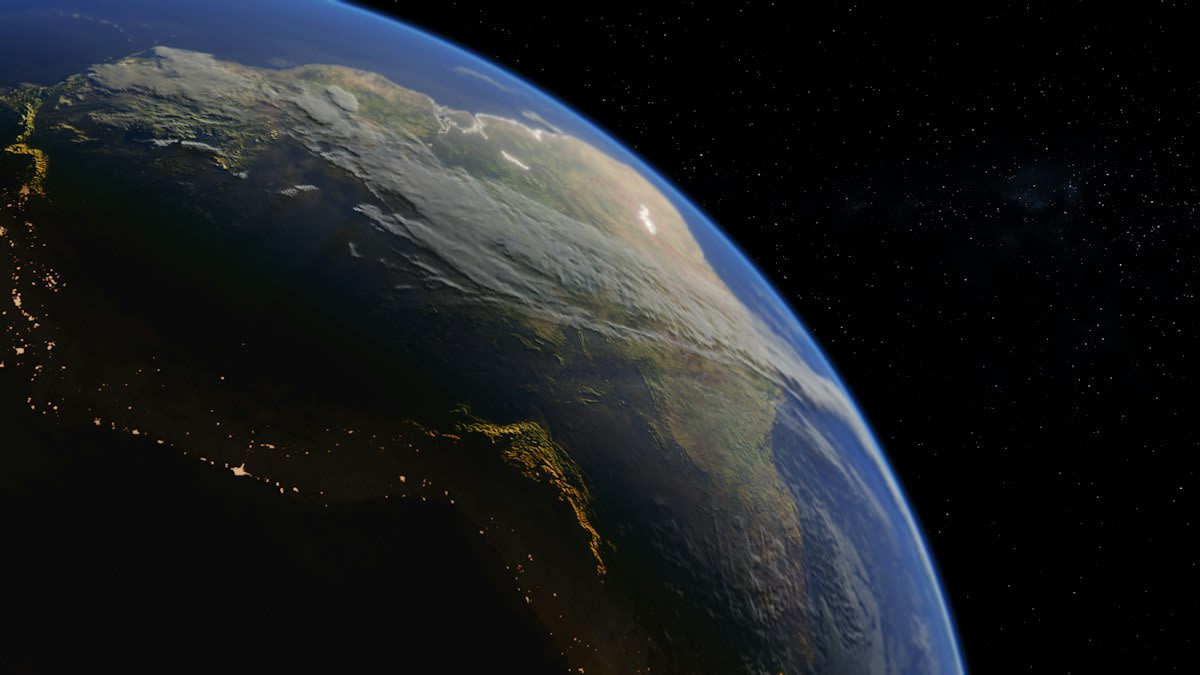
Orbits are full. The rush to deploy thousands of small satellites into Low Earth Orbit has transformed a once-silent void into a congested web of aluminum and silicon that challenges every existing international treaty (Source: ESA, 2023). The void no longer feels empty. Space is shrinking. While the void of space remains vast, the specific shells required for low-latency communication are becoming a high-stakes game of musical chairs where one wrong move triggers a cascade of attrition (Source: NASA, 2023). Operators now fight for every kilometer.
The Acceleration Delta
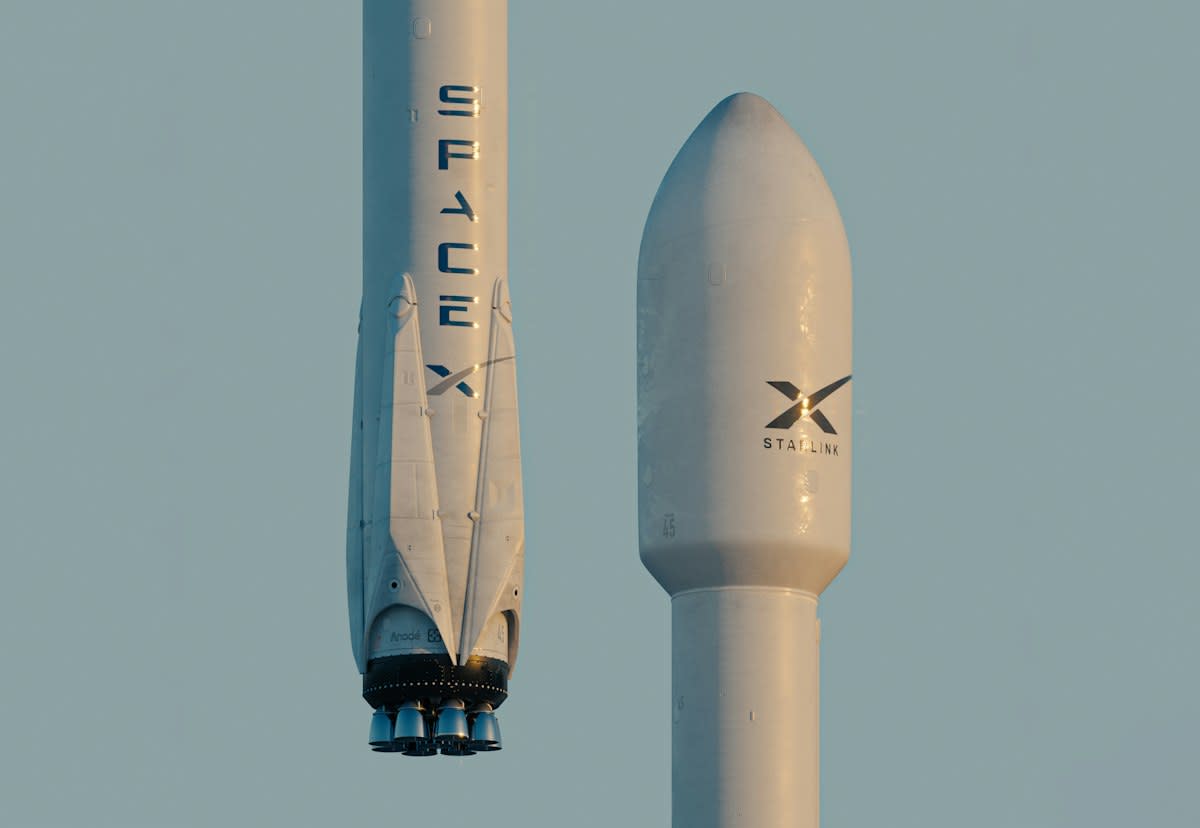
Growth is explosive. Between early 2023 and early 2024, the number of active satellites in LEO surged by over 15 percent, driven almost entirely by a handful of commercial entities (Source: UNOOSA, 2024). This delta represents a fundamental change in how we occupy space. Satellites are no longer rare assets. The launch cadence has shifted from a measured trickle to a torrential flood, with Starlink alone deploying dozens of satellites every few weeks to maintain its shell (Source: Jonathan McDowell, 2024). This pace leaves little room for error.
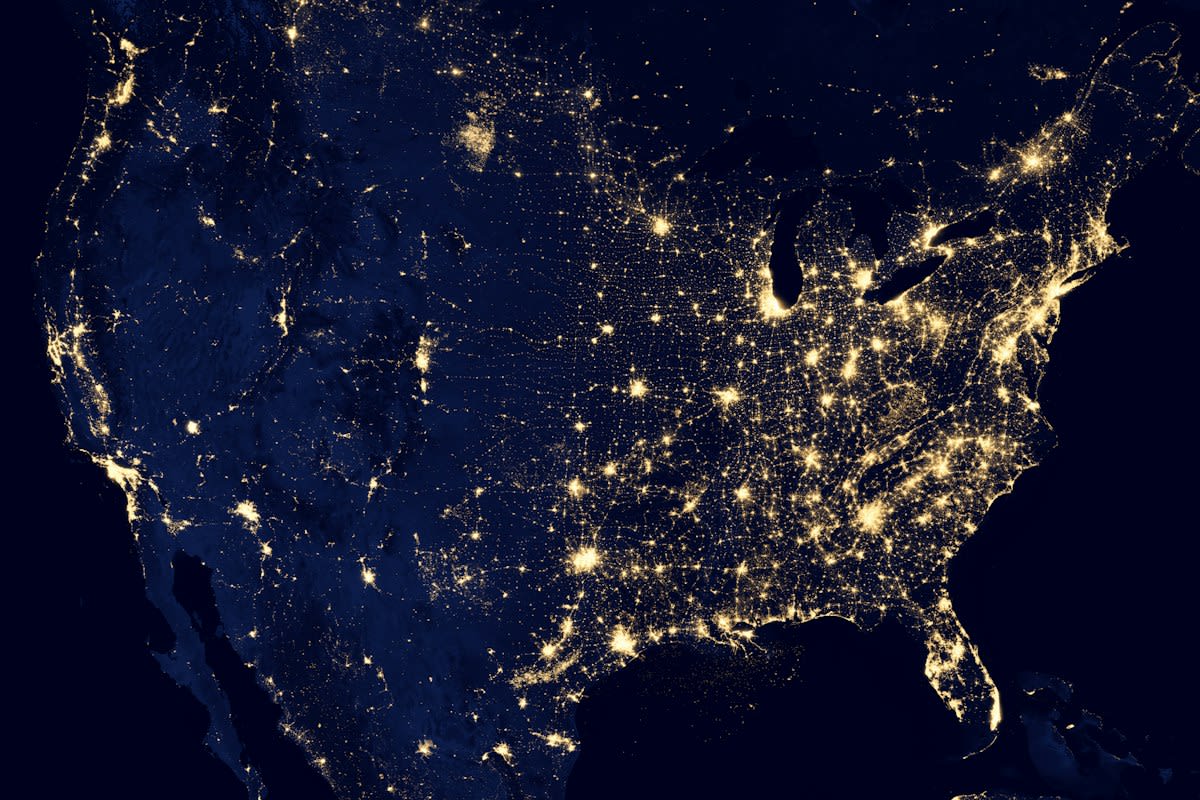
Global powers react. China is not watching from the sidelines, as its planned Guowang constellation aims to put 13,000 satellites into orbit to challenge Western dominance in satellite internet (Source: SpaceNews, 2023). This is not just about connectivity. India is similarly recalculating its strategy, pushing for sovereign LEO capabilities to avoid a future where its digital infrastructure depends entirely on foreign corporate whims (Source: ISRO, 2023). The race is now geopolitical. Who controls the shell controls the data flow for an entire continent.
"The risk of a chain reaction of debris is no longer a theoretical exercise but a daily operational concern for every satellite operator in LEO."— Representative, European Space Agency (ESA)
The boardroom clashes are ugly. Engineers from competing constellations argue over Right of Way protocols in private forums, debating whether a newer satellite must yield to an older one or if the operator with the more agile propulsion system carries the burden of movement. This rub manifests as a silent war of maneuvers, where one company's safety correction is viewed by another as a territorial flex. These disputes remain hidden from public filings but dictate the actual operational rhythm of the fray. No one wants to move first, yet everyone fears the impact.
The Weight of Attrition
Debris is mounting. There are currently over 36,500 objects larger than 10 centimeters tracking through LEO, and the number of smaller, untrackable fragments is estimated in the millions (Source: ESA, 2023). This creates a permanent haze of shrapnel. Every single impact creates more debris, which then increases the likelihood of further strikes in a lethal feedback loop. The attrition is constant. We are effectively mining our own future access to space by treating the void as a landfill.
| Operator | Estimated Satellites (2023) | Estimated Satellites (2024) | Delta |
|---|---|---|---|
| Starlink | 5000 | 6000 | +1000 |
| OneWeb | 600 | 630 | +30 |
| Amazon Kuiper | 0 | 33 | +33 |
| Guowang (Planned) | 0 | 0 | Pending |
Costs are rising. Insurance premiums for LEO assets have climbed as the probability of accidental strikes increases, forcing operators to spend more on propulsion for active debris avoidance (Source: Space Insurance Report, 2023). This financial weight hits smaller startups hardest. While giants like SpaceX can absorb the cost of losing a few satellites, a single strike can bankrupt a smaller venture. The terrain is becoming hostile. Only the most capitalized players can survive the current orbital environment.
Altitudes are shifting. Operators are now fighting for specific orbital shells to avoid the most congested zones, leading to a crowded rush toward altitudes that were previously ignored (Source: NASA, 2023). This migration creates new points of tension. When multiple constellations occupy the same shell, the frequency of avoidance maneuvers spikes, draining fuel and shortening the operational life of the hardware. Efficiency is dropping. The rush for space is creating a bottleneck in the very void meant to provide freedom.
The New Terrain of Opportunity
Waste is wealth. A new industry of orbital servicing is emerging to tackle the debris problem, turning the cleanup of old satellites into a profitable venture (Source: Astroscale, 2023). This is a necessary evolution. Companies are now developing harpoons, nets, and robotic arms to drag dead assets back into the atmosphere. The cleanup is the new gold rush. Those who can clear the way will hold the keys to the next generation of orbital shells.
- Shift toward active debris removal (ADR) as a commercial service.
- Implementation of stricter 'end-of-life' disposal mandates by national regulators.
- Development of inter-satellite laser links to reduce dependence on ground stations.
- Increased focus on 'Dark Skies' initiatives to mitigate light pollution for astronomers.
Saturate and survive. The goal is no longer just to launch, but to maintain a dominant presence in the most efficient shells before they are fully claimed (Source: UNOOSA, 2024). This creates a winner-take-all dynamic. The first movers have already secured the prime real estate, leaving latecomers to fight for the scraps of the void. This is the new reality of space. The void is not an infinite resource; it is a finite piece of infrastructure.
Fact-Check & Accuracy Note
Data on satellite counts is sourced from the United Nations Office for Outer Space Affairs (UNOOSA) and the Space-Track.org database. Academic debates persist regarding the Kessler Syndrome threshold, with some researchers arguing that current saturation levels are manageable while others suggest we have already passed a critical tipping point in specific orbital shells.
Editorial Note
This report prioritizes recent telemetry and launch data from the 2023-2024 window to illustrate the acceleration of LEO occupancy and the resulting operational frictions.
The end is near. Not the end of space exploration, but the end of the era of unregulated growth (Source: ESA, 2023). We are entering a period of forced recalculation where the weight of our own debris dictates the terms of our expansion. The void is full. Now, we must learn to manage it.