Airline changes diabetic passenger’s booked seat at last minute, told to pay Rs 3 lakh
Source Entity
Richa Sahay
Consumer commissions across India have recently ordered airlines to pay significant compensation for service deficiencies, including seat downgrades and unexplained flight cancellations. These rulings highlight the growing accountability of airlines toward passenger rights and the impact of poor service on consumer well-being.
Strengthening Consumer Rights in Indian Aviation
Recent rulings by various consumer commissions across India signal a significant shift in the accountability of the aviation sector. From Haryana to Telangana and West Bengal, judicial bodies are increasingly siding with passengers who face arbitrary service changes, seat downgrades, and unexplained flight cancellations. These cases reflect a broader trend where consumer forums are moving beyond mere ticket refunds, instead awarding substantial compensation to account for physical distress, medical complications, and the mental anguish caused by poor service.
The Human Cost of 'Operational Exigencies'
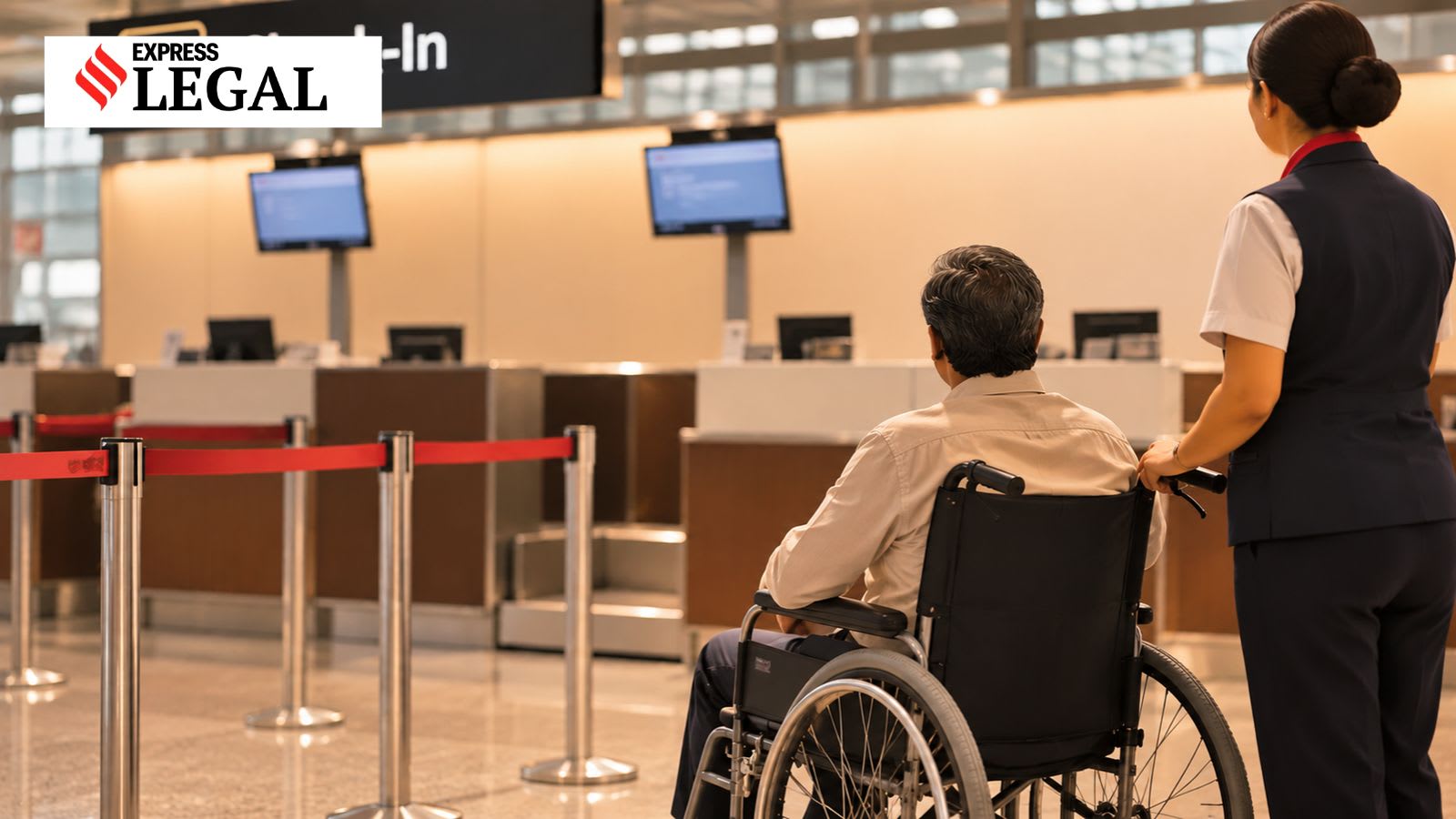
A particularly harrowing case involved a senior government employee traveling from Toronto to Delhi. Despite booking a front-row seat for medical reasons—specifically diabetes and chronic leg pain—and requesting wheelchair assistance, the airline unilaterally moved the passenger to a middle seat. The resulting 15-hour flight caused his condition to deteriorate, necessitating hospitalization upon arrival. The Haryana Consumer Commission’s decision to award Rs 3 lakh underscores that airlines cannot treat premium seat assignments as interchangeable, especially when health-related mobility needs are clearly documented.
Accountability for Unexplained Cancellations
In both the West Bengal and Telangana cases, airlines attempted to justify service disruptions by citing vague "operational exigencies." The commissions, however, rejected these blanket excuses. In the West Bengal case, a passenger stranded for two days in Gurgaon was awarded Rs 56,491, while a family heading to Thailand received Rs 70,000 after their direct flights were replaced with inconvenient, long-layover itineraries. The courts have established a clear precedent: unless an airline can provide specific, verifiable evidence for a service failure, they are liable for the full extent of the passenger's inconvenience.
Judicial Precedent and Consumer Protection
These rulings serve as a critical reminder of the Consumer Protection Act's role in the service industry. By ordering compensation for litigation costs and interest, these commissions are making it financially viable for ordinary citizens to challenge large corporations. The consistent findings of 'deficiency of service' suggest that judicial bodies are becoming less tolerant of airlines that prioritize logistical convenience over contractual obligations and passenger welfare.
Broader Implications for the Airline Industry
For the aviation industry, these verdicts represent a warning to improve operational transparency and customer service protocols. Airlines often rely on the assumption that passengers lack the time or resources to pursue legal action. However, as these recent cases demonstrate, the legal framework is increasingly robust. Future trends suggest that airlines may need to implement more rigorous passenger communication strategies and automated compensation protocols to avoid the mounting costs of litigation and reputational damage.
Conclusion: A New Era of Passenger Empowerment
Ultimately, these decisions empower the flying public by confirming that a purchased ticket is a binding contract. As air travel becomes more frequent, the expectation for reliability and dignity in service will only grow. These consumer commission orders are essential steps toward ensuring that airlines treat passengers as valued clients rather than mere cargo, fostering a more equitable relationship between service providers and the public.
Multiple Citing Sources