US techie likely behind dozens of Mumbai bomb threat held in Tamil Nadu
Source Entity
MATEEN HAFEEZ
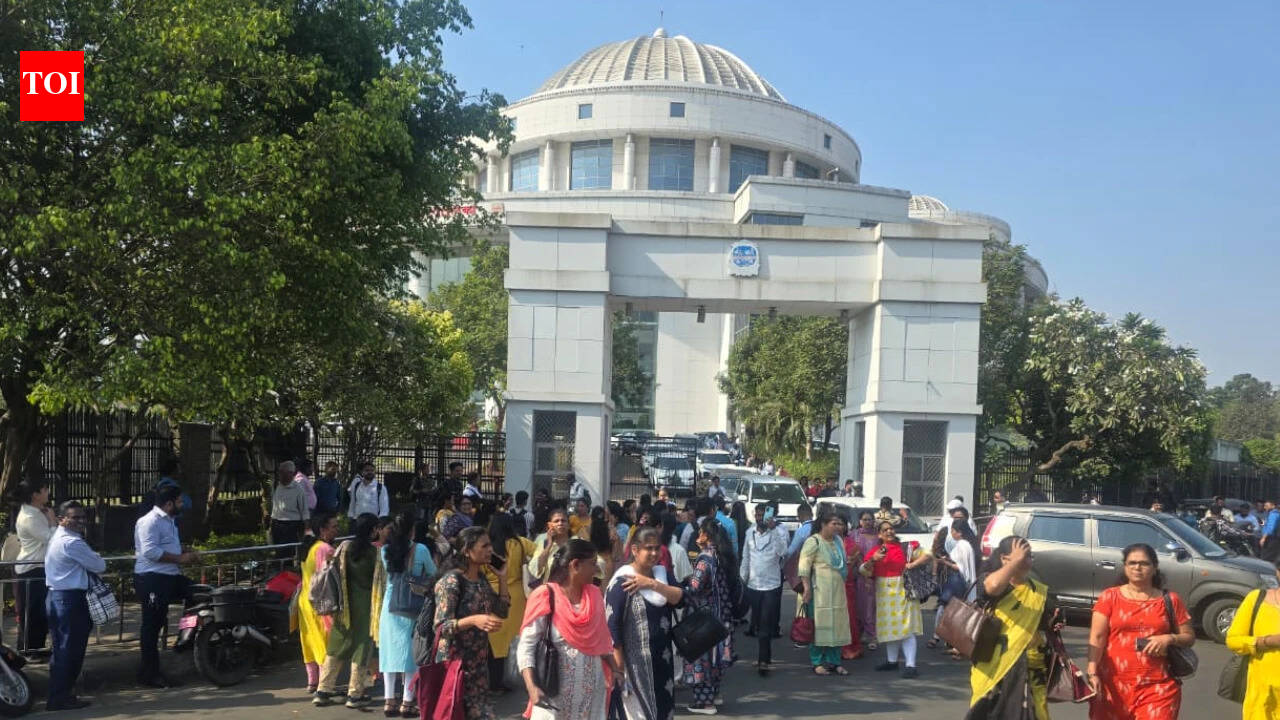
A 28-year-old US-based tech professional, Sharath Subramanian Shankar, has been detained in Tamil Nadu for allegedly orchestrating over 1,500 hoax bomb threats against major Mumbai landmarks. Authorities are also investigating an accomplice involved in providing the email infrastructure for these threats.
The Mumbai Hoax Crisis: A Digital Security Breach
The recent detention of 28-year-old Sharath Subramanian Shankar in Tamil Nadu marks a significant development in the investigation into a wave of terror-related hoax emails that have plagued Mumbai. As a tech professional returning from the United States, Shankar is suspected of being the primary architect behind a massive campaign that involved sending over 1,500 threatening emails targeting critical infrastructure. These threats, which specifically identified high-profile locations such as the Brihanmumbai Municipal Corporation (BMC) office and the Bombay Stock Exchange, caused widespread panic and necessitated extensive security protocols across the city.
The Mechanics of the Threat
Intelligence provided by the Mumbai Police was instrumental in tracking Shankar upon his return to India. The sheer volume of threats—estimated at 1,500—suggests a highly systematic approach to cyber-harassment. By targeting financial hubs like the Bombay Stock Exchange and administrative nerve centers like the BMC, the perpetrator aimed to maximize disruption and force a high-level response from law enforcement agencies, effectively weaponizing digital communication to simulate a state of emergency.
Complicity and Digital Infrastructure
Beyond the primary suspect, the investigation has widened to include Ankit Shankhwar, who is accused of supplying the fake email accounts used to disseminate these threats. This revelation highlights a concerning trend in cyber-crime where specialized roles are distributed among actors to facilitate large-scale harassment. The reliance on burner accounts and third-party digital infrastructure underscores the challenges law enforcement faces in attributing anonymous digital threats to specific individuals.
Broader Implications for National Security
This case serves as a stark reminder of the vulnerability of urban centers to digital-based psychological warfare. While these specific threats were deemed hoaxes, the resource drain on Mumbai’s security apparatus is substantial. Each threat requires a verification process, deployment of bomb disposal squads, and heightened surveillance, diverting critical resources away from genuine security concerns. The ease with which a single individual, operating from abroad or domestically, can paralyze city operations raises urgent questions about the resilience of digital security frameworks.
Future Trends in Cyber-Hoax Prevention
As we look forward, the intersection of international travel and cyber-crime presents a complex jurisdictional challenge. The collaboration between the Tamil Nadu police and Mumbai police demonstrates a growing necessity for inter-state intelligence sharing. Future trends suggest that authorities will likely invest more heavily in predictive analytics and AI-driven monitoring to identify patterns in malicious communication before they escalate into mass-scale disruptions. The prosecution of this case will set a legal precedent for how Indian courts handle digital threats that cross international boundaries and impact national stability.
Conclusion
The detention of Sharath Subramanian Shankar is a pivotal step in curbing the surge of terror hoaxes in Mumbai. By dismantling the technical network—including the procurement of fraudulent email accounts—authorities are sending a clear message regarding the consequences of digital disruption. As investigations continue, the focus will likely remain on strengthening the digital investigative capabilities of regional police forces to prevent future incidents of this magnitude.