From ‘pul chori’ to pond theft, the bizarre heists of Bihar
Source Entity
Santosh Singh
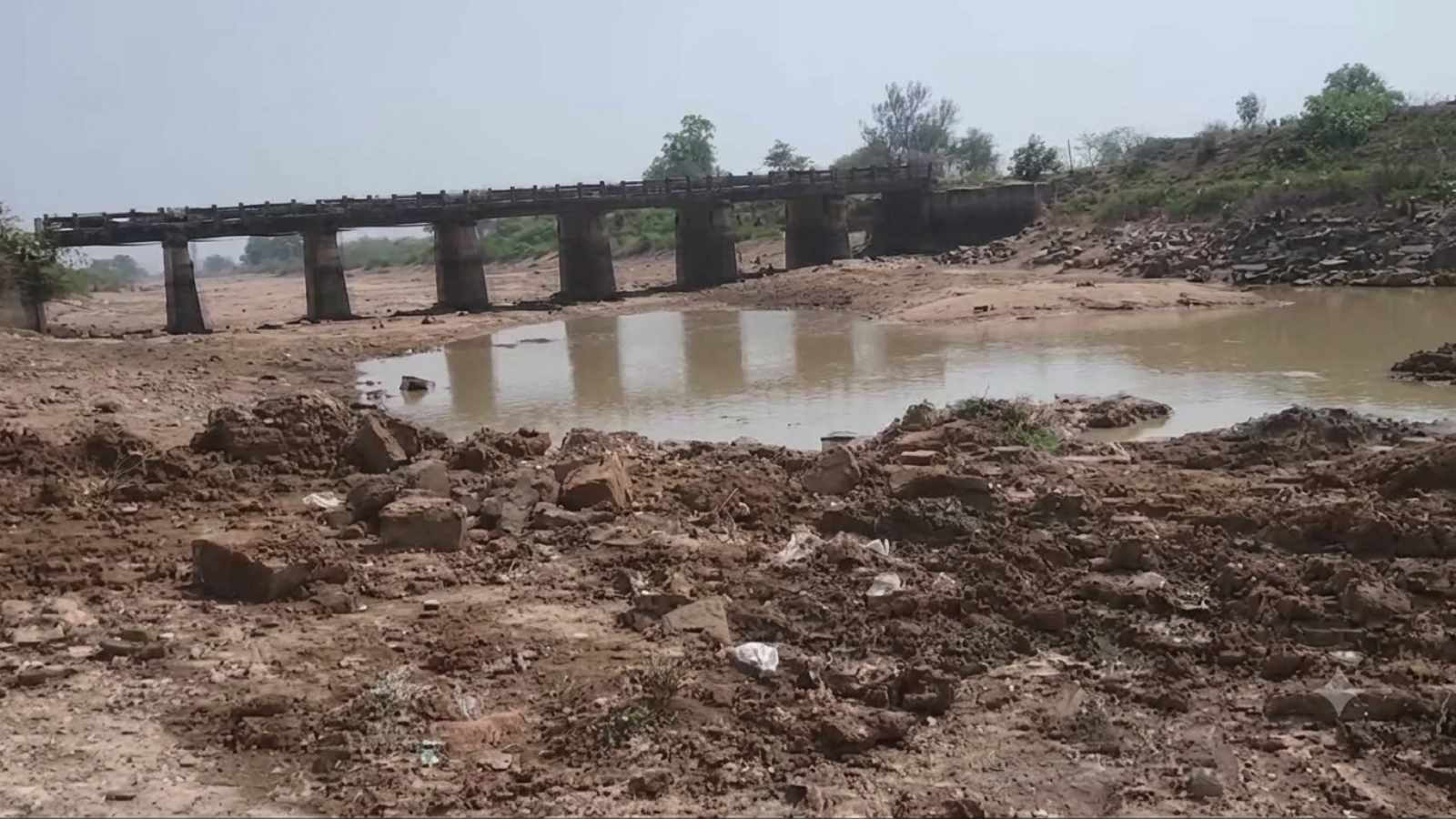
A series of audacious heists in Bihar, ranging from the theft of a 60-foot iron bridge to entire railway coaches, has exposed significant lapses in local infrastructure security. These bizarre incidents highlight a growing trend of organized scrap metal theft targeting public property.
The Audacity of Infrastructure Theft in Bihar
The recent string of bizarre heists in Bihar, colloquially referred to as 'pul chori' (bridge theft), represents a staggering breach of public trust and state oversight. The most notable incident occurred in Ahiyapur village, Rohtas district, where six individuals posed as government officials from the water resources department. Over the course of three days, these imposters systematically dismantled a 60-foot iron bridge spanning the Ara-Sone canal. By masquerading as legitimate maintenance crews, they successfully deceived local villagers, who assumed the dismantling was a sanctioned government effort to clear old scrap metal.
The Mechanics of Deception
These thefts rely heavily on social engineering and the abuse of bureaucratic aesthetics. By donning the mantle of authority, the perpetrators exploit the lack of rigorous verification protocols in rural infrastructure management. In the Ahiyapur case, the thieves utilized heavy machinery and transport trucks, operating in broad daylight for 72 hours. This brazenness highlights a critical vulnerability: the absence of monitoring or security presence for vital public assets, which allows criminal elements to treat state-owned property as a private resource for salvage.
Beyond Bridges: The Railway Heists
The phenomenon is not limited to bridges; it has expanded into the complex domain of the Indian Railways. The incident in Begusarai, where a train carriage effectively 'vanished' between November 25 and 27, 2023, serves as a testament to the sophistication of these criminal networks. When railway coaches or iron components are stolen, it suggests a well-oiled supply chain that can process, transport, and sell heavy industrial scrap. This evolution in criminal activity indicates that these are not opportunistic crimes, but calculated operations targeting high-value metal assets.
Broader Implications for Infrastructure
These heists pose a severe risk to public safety and regional connectivity. The loss of a 60-foot bridge disrupts local logistics, commerce, and daily life for residents who rely on these structures for transit. Furthermore, the financial burden of replacing such infrastructure falls directly on the state, draining resources that could otherwise be allocated to development projects. The fact that these thefts occur with such regularity suggests that existing security infrastructure is fundamentally incapable of protecting remote assets from organized dismantling.
Future Trends and Security Needs
Looking ahead, the shift toward 'asset stripping' of public property requires a paradigm shift in how state departments manage and monitor civil infrastructure. Without the implementation of stricter verification processes for contractors, real-time surveillance of remote assets, and better coordination with local law enforcement, these trends are likely to continue. The state must address the 'security gap' by creating accountability protocols that empower villagers to verify the identity of 'officials' before allowing them to dismantle public property, ensuring that the legacy of these bizarre heists does not become a recurring feature of rural administration.