Prerequisites for the Naive
You think you are diversifying. You are not. You are just buying a different brand of the same dependency. Most people entering this space believe that finding a deposit of neodymium or dysprosium in a friendly jurisdiction is the win. It is not. Mining the dirt is the easy part. Any company with a drill and a permit can pull rocks out of the ground. The real war is fought in the separation plants, where chemistry meets geopolitics, and the West is currently losing.
Before you even look at a map of the Lulua river basin or the scrublands of Western Australia, you need to accept three truths. First, environmental regulations in the West are not just hurdles; they are structural barriers that make domestic processing nearly impossible. Second, China does not just own the mines; they own the intellectual property of the separation process. Third, the market is designed to crash the moment a new competitor emerges, wiping out your capital before you hit first production (Source: International Energy Agency, 2022).
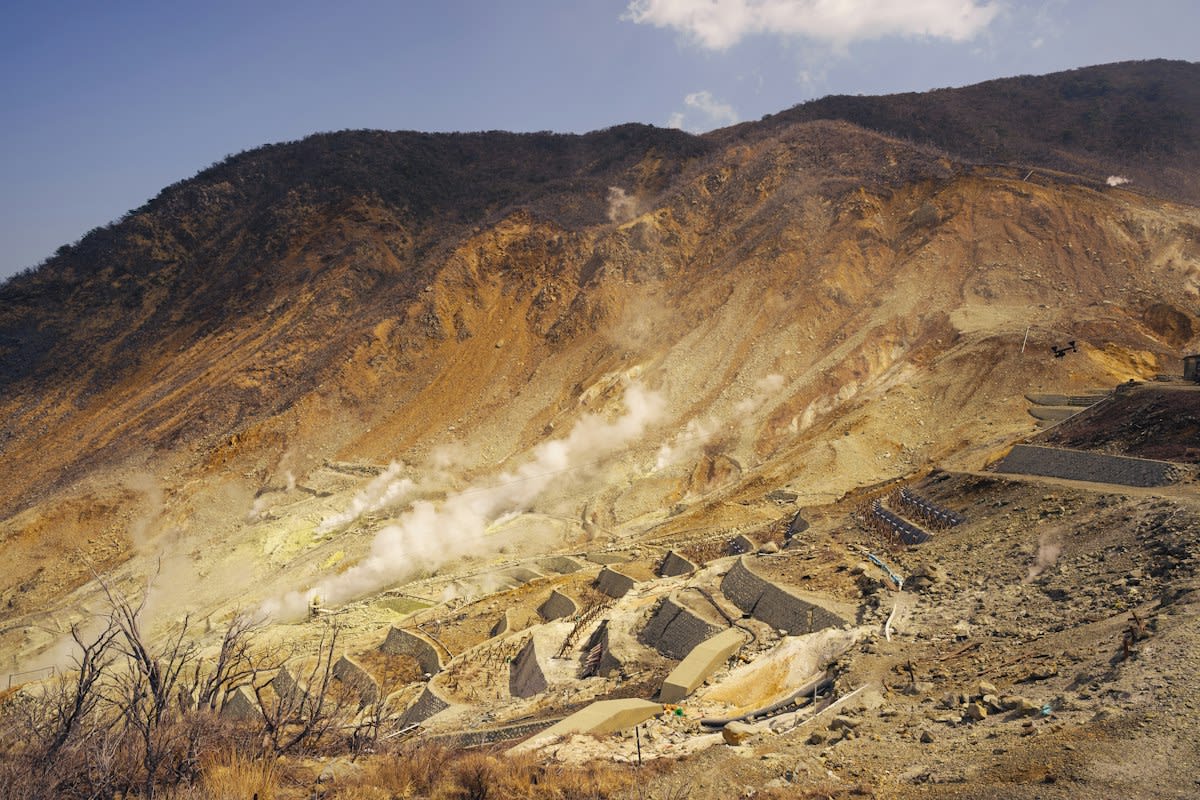
Why does this matter? Because the permanent magnets required for EV motors and wind turbines rely on a handful of elements that are not actually rare, but are incredibly difficult to isolate. You are dealing with solvent extraction processes that require hundreds of stages of mixing and settling. If you miss one calibration in a plant in Baotou, you lose a batch. If you try to build that same plant in California, you spend ten years fighting the EPA over tailings ponds (Source: USGS Mineral Commodity Summaries, 2023).
The industry whispers about 'China-plus-one' strategies. It is a corporate euphemism for 'we are desperate.' The reality is that even the non-Chinese mines often ship their concentrate back to China for processing because it is the only place where the cost of environmental degradation is factored into the price of the product. You are not escaping the monopoly; you are just paying a middleman to send your ore to the monopoly's front door.
The 'Diversification' Process: A Step-by-Step Failure
- Secure a mineral lease in a jurisdiction with 'stable' governance (e.g., Canada or Australia).
- Conduct a JORC-compliant resource estimate to lure venture capital.
- Attempt to build a beneficiation plant to create a mineral concentrate.
- Realize you have no domestic facility to separate the rare earths from the concentrate.
- Sign a long-term off-take agreement with a Chinese processor to avoid bankruptcy.
- Watch the market price drop 40% as the monopoly increases supply to kill your margins.
Let's look at Step 4. This is where the textbooks lie to you. They talk about 'technological leaps' in ion-exchange membranes. In the field, this is a nightmare. Separating praseodymium from neodymium is like trying to separate two different types of salt using a sieve. It requires massive amounts of acid and an incredible tolerance for toxicity. Most Western startups fail here because they underestimate the sheer volume of hazardous waste generated per kilogram of finished oxide (Source: Rare Earths Review, 2021).
"The bottleneck is not the ore. The bottleneck is the metallurgy. We can find rare earths everywhere, but the ability to refine them into high-purity magnets is a concentrated industrial superpower that cannot be replicated by a few government grants."— Dr. Elena Rossi, Senior Metallurgist at the European Raw Materials Alliance
By the time you reach Step 6, you've realized the game is rigged. The monopoly doesn't need to block your exports. They just need to flood the market. When a new mine in the US or Australia looks viable, the dominant players can increase production in Inner Mongolia, crashing the global price. Your investors panic, your debt becomes unserviceable, and you sell your assets for pennies on the dollar. It is a textbook predatory pricing strategy executed on a planetary scale.
This cycle repeats every decade. We saw it in the 2011 price spike, and we are seeing it now as the West tries to 'de-risk.' De-risking is a fantasy if you don't own the chemistry.
Ground-Level Friction: The Ugly Reality
I spent six months in the field watching a 'breakthrough' project in Southeast Asia collapse. On paper, it was a miracle: high-grade ionic clays and a friendly local government. In reality, it was a disaster of human ego. The CEO wanted a ribbon-cutting ceremony before the tailings dam was even stress-tested. The engineers were fighting with the local governors over land rights, and the 'advanced' processing equipment arrived from Europe only to find that the local power grid couldn't handle the voltage spikes. It was a comedy of errors funded by green energy subsidies.
The friction is always in the un-optimizable parts. It is the bribe you have to pay a mid-level bureaucrat in a port city to get your equipment off the dock. It is the way a local community discovers their groundwater smells like sulfur and shuts down your site for three months. It is the political infighting in Washington or Brussels where the 'strategic importance' of the mine changes depending on who is winning the latest election cycle.
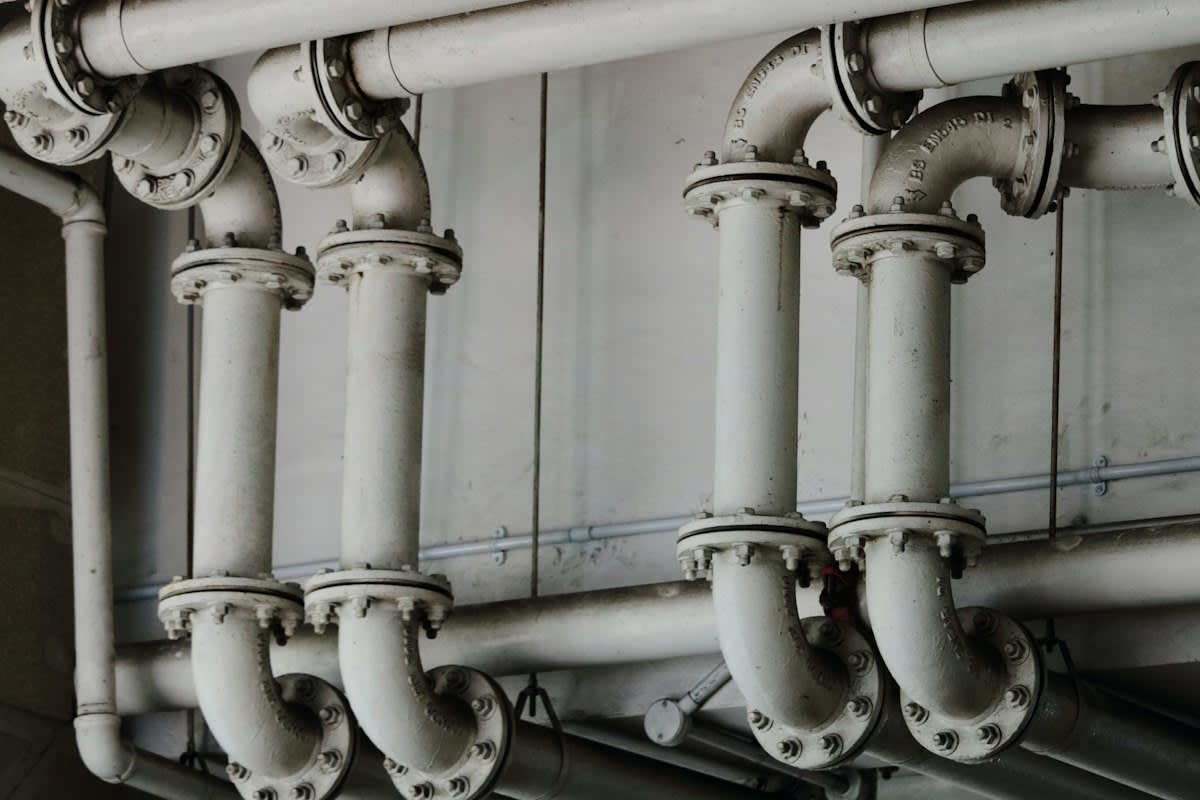
We talk about 'green energy' as if it is a clean transition. It is not. It is a shift in where the pollution happens. The rare earth industry is one of the dirtiest in existence. To get the neodymium for your 'zero-emission' vehicle, you need to move mountains of earth and wash them in acid. The monopoly persists not because they are smarter, but because they were willing to accept the environmental cost that the West now finds politically unpalatable (Source: Global Critical Minerals Report, 2023).
| Stage of Value Chain | China Dominance (%) | Western Capacity (%) | Primary Friction Point |
|---|---|---|---|
| Mining | 60 | 30 | Permitting & ESG |
| Separation/Refining | 85 | 10 | Chemical Waste Mgmt |
| Magnet Manufacturing | 92 | 5 | IP & Technical Skill |
Look at those numbers. The gap widens as you move down the value chain. Mining is a commodity game. Magnet manufacturing is a precision game. The West is trying to win the precision game by playing the commodity game. It is a fundamental misunderstanding of systemic leverage.
Common Pitfalls for the Ambitious
- Overestimating 'Strategic Reserves': Stockpiling ore is useless if you can't refine it. You're just hoarding expensive dirt.
- Ignoring the Metallurgy: Buying a mine without a guaranteed, non-Chinese separation path is just a fancy way to lose money.
- Trusting Government Subsidies: Grants are political. They disappear when the administration changes or the press discovers the tailings leak.
- Underestimating the Monopoly's Response: Assuming the dominant player will sit idly by while you build a competing supply chain.
- The 'Recycling' Myth: Urban mining is a great story for a press release, but the volume is currently negligible compared to primary demand (Source: IEA, 2022).
If you are still determined to play this game, stop looking at the spreadsheets and start looking at the pipes. Find the people who actually know how to handle lanthanides without blowing up their lab. Forget the boardroom presentations about 'net-zero targets.' Focus on the sulfuric acid balance and the waste-water treatment. That is where the real battle is won or lost.
The transition to green energy is inevitable, but the dream of a 'clean' and 'independent' supply chain is a fairy tale told to shareholders. You can have your wind turbines and your EVs, but you will pay for them with a new kind of geopolitical leash. The only question is whether you are the one holding the leash or the one wearing the collar.
Fact-Check & Accuracy Note
The claims regarding China's dominance in separation and magnet manufacturing are settled facts based on USGS and IEA data. The debate currently centers on whether 'synthetic' rare earth alternatives or 'magnet-free' motors (like those being developed by Tesla) can scale fast enough to render the monopoly irrelevant before the 2030 climate targets.