Apple iPod Engraver (2019)
Source Entity
Hacker News
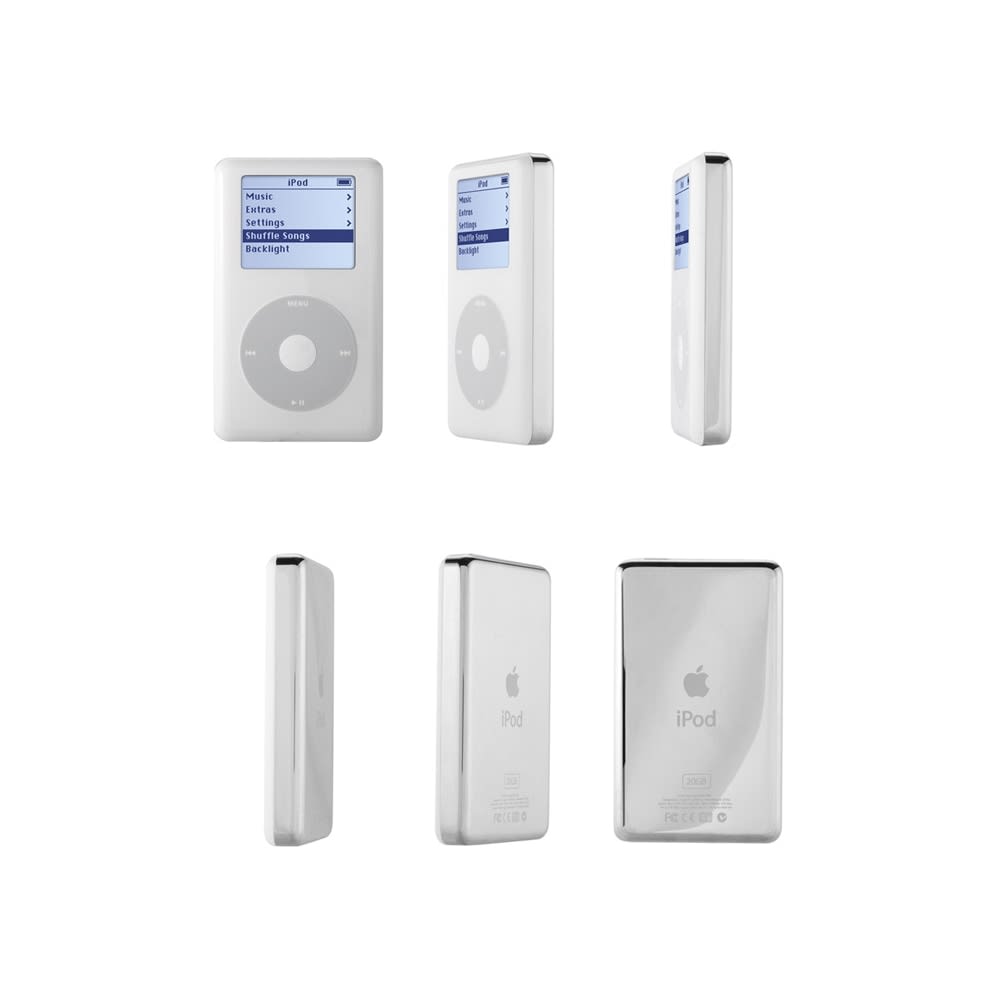
A former Apple UI engineer recounts the 2004-2006 development of the interactive iPod engraving preview feature. The project utilized JavaScript and ImageMagick to provide real-time user feedback on personalizations.
The Evolution of E-commerce Personalization: A Retrospective
In the early 2000s, Apple’s online storefront was a critical component of its strategy to transition from a computer manufacturer into a lifestyle consumer electronics brand. A former UI engineer, active between 2004 and 2006, recently shed light on the development of the 'Personalize your iPod' feature, a seemingly minor interface update that significantly enhanced the consumer experience. At the time, the ability to customize hardware was a unique selling proposition that helped cement the iPod’s status as a personal fashion accessory.
Engineering the 'Interactive Sparkle'
The project focused on transforming a static, form-based submission process into an engaging, visual experience. Prior to these updates, the engraving process was largely abstract, requiring users to submit text without a clear representation of the final product. By introducing a rotatable 3D-style iPod model and a live preview of the text, the team bridged the gap between digital selection and physical reality, effectively reducing customer anxiety regarding the final aesthetic of their purchase.
Technical Implementation: JavaScript and ImageMagick
The technical challenges of 2004 required creative solutions for browser performance and server-side rendering. To achieve the rotatable effect, the team utilized a sequence of JPEGs cycled via JavaScript, a common technique before the widespread adoption of modern 3D rendering frameworks. Furthermore, the real-time engraving preview was powered by ImageMagick, a robust open-source software suite. This tool processed the user’s input on the server and generated an overlay image that simulated the physical engraving on the device’s rear casing.
Impact on User Experience and Conversion
Beyond the novelty of the feature, the integration of dynamic feedback had tangible impacts on site performance. By simultaneously highlighting changes in shipping times alongside the engraving preview, the team provided transparency that helped manage customer expectations. This approach not only drove engagement but also streamlined the purchasing funnel, proving that UI 'sparkle' could serve as a functional tool for inventory management and customer satisfaction.
Legacy of Early Apple Web Design
This account offers a rare glimpse into the internal culture of Apple’s web development during a period of massive growth. The focus on tactile, interactive elements reflected the company’s broader 'Think Different' philosophy, even within the constraints of early web technology. The techniques pioneered during this era—such as live rendering and visual feedback—have since become standard expectations for modern e-commerce platforms, illustrating how early experimentation at Apple helped define contemporary web design standards.
Conclusion
Ultimately, the iPod engraver project serves as a microcosm for the evolution of digital retail. By leveraging server-side image processing and clever front-end animation, the Apple engineering team created a seamless bridge between software and hardware. This case study highlights how early UI innovations not only improved the user experience but also established a blueprint for the personalized shopping experiences we take for granted today.