MBS’ first message to the Houthis? Saudi Air Force flexes its might after major Red Sea humiliation
Source Entity
Latest News: Todays Latest News Headlines from India & World | Hindustan Times | Hindustan Times
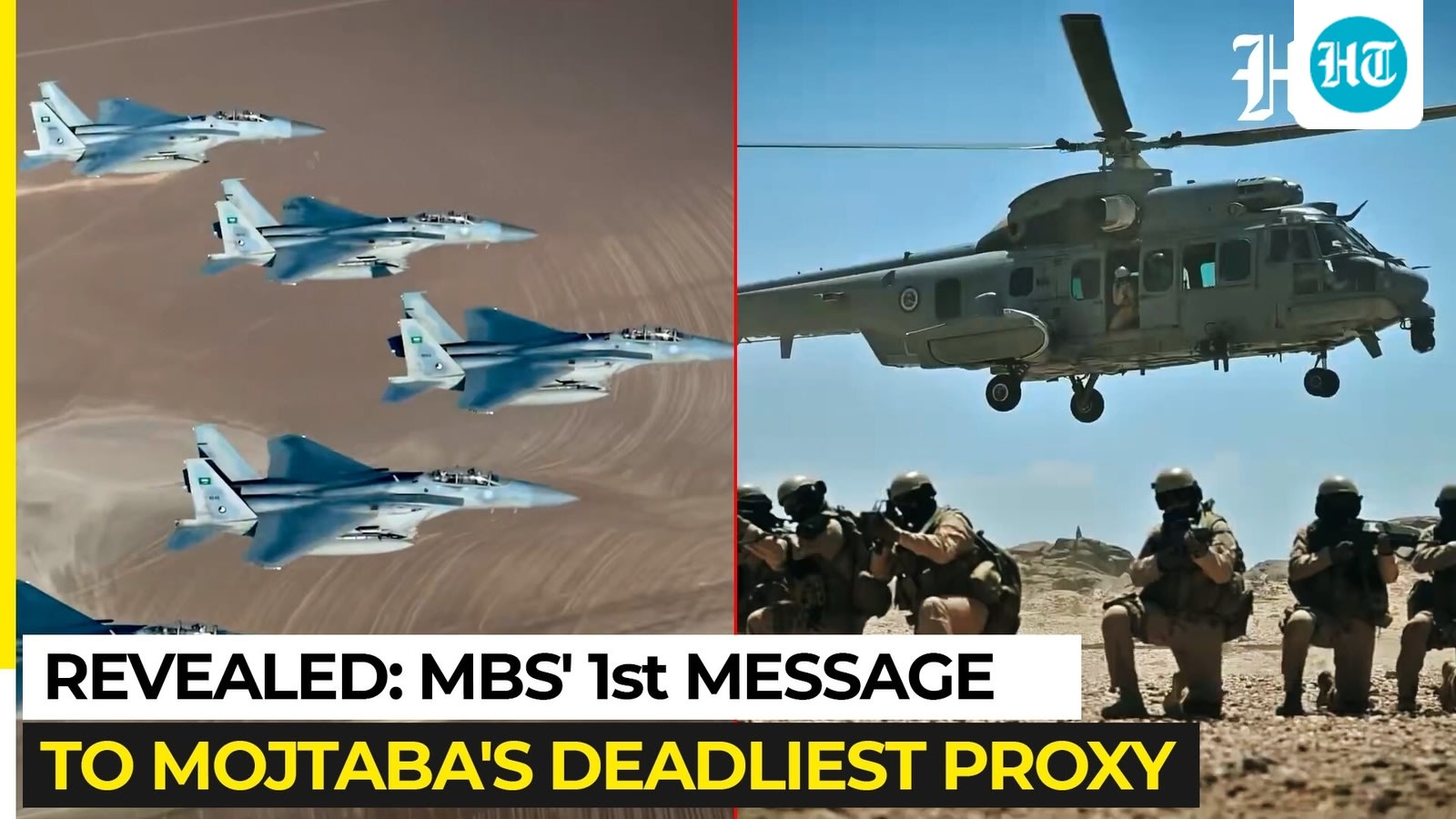
Saudi Arabia has showcased its air force capabilities as a strategic warning amidst Houthi advances near the Red Sea. Concurrently, the trilateral Mecca Pact faces a critical test as Pakistan hesitates to commit military support to Riyadh.
Saudi Arabia’s Aerial Projection and the Shift in Regional Dynamics
In a calculated move to reassert its regional dominance, the Saudi Arabian Defense Ministry has released a high-profile video showcasing its fighter-jet squadrons. This display, framed as a demonstration of the Kingdom as a "fortress of might," serves as a direct response to recent military escalations along the Red Sea coast. Reports indicate that Houthi forces have made significant territorial gains, specifically targeting areas around Mocha and Perim Island, which are critical chokepoints for global maritime trade.
The Strategic Significance of Red Sea Security
The Red Sea remains one of the world's most vital maritime arteries. By highlighting its air power, Riyadh is signaling that it remains the primary guarantor of stability in this theater. This show of force is not merely internal patriotic theater; it is a geopolitical signal intended for both the Houthi movement and their external backers, suggesting that Saudi Arabia is prepared to transition from a defensive posture to active power projection if its security interests continue to be challenged.
The Mecca Pact Under Pressure
This demonstration of strength arrives at a precarious time for the Mecca Pact, a trilateral defense alliance between Saudi Arabia, Turkey, and Pakistan established through the 2025 Strategic Mutual Defence Agreement and formalized in 2026. While the pact was designed to ensure collective deterrence, it is currently facing its first significant test. Pakistan, which holds the first three-year chairmanship of the pact, has demonstrated notable hesitation in committing to a direct military confrontation with the Houthis, despite Riyadh’s expectations of solidarity.
Pakistan's Balancing Act
Prime Minister Sharif’s recent rhetoric, emphasizing "complete solidarity" with Saudi Arabia, stands in stark contrast to the tactical reluctance observed on the ground. Defense Minister Khawaja Asif has clarified that the pact is only operational in the event of an unprovoked attack or a significant spillover of the Yemen conflict. This nuanced interpretation suggests that Pakistan is attempting to avoid being dragged into a protracted regional conflict, creating a diplomatic friction point between Islamabad and Riyadh.
Future Trends and Regional Stability
The hesitation of the Mecca Pact members to intervene suggests a shifting landscape in Middle Eastern security architectures. If Saudi Arabia continues to rely solely on its own air force to counter Houthi advances, the long-term viability of the Mecca Pact as an effective deterrent may be called into question. Future stability will depend on whether Riyadh can successfully leverage the pact to share the burden of security or if it must continue to operate as a unilateral actor in the face of persistent maritime threats.
Verification Required?