Brics opposes unilateral trade steps like EU carbon border tax
Source Entity
VISHWA MOHAN
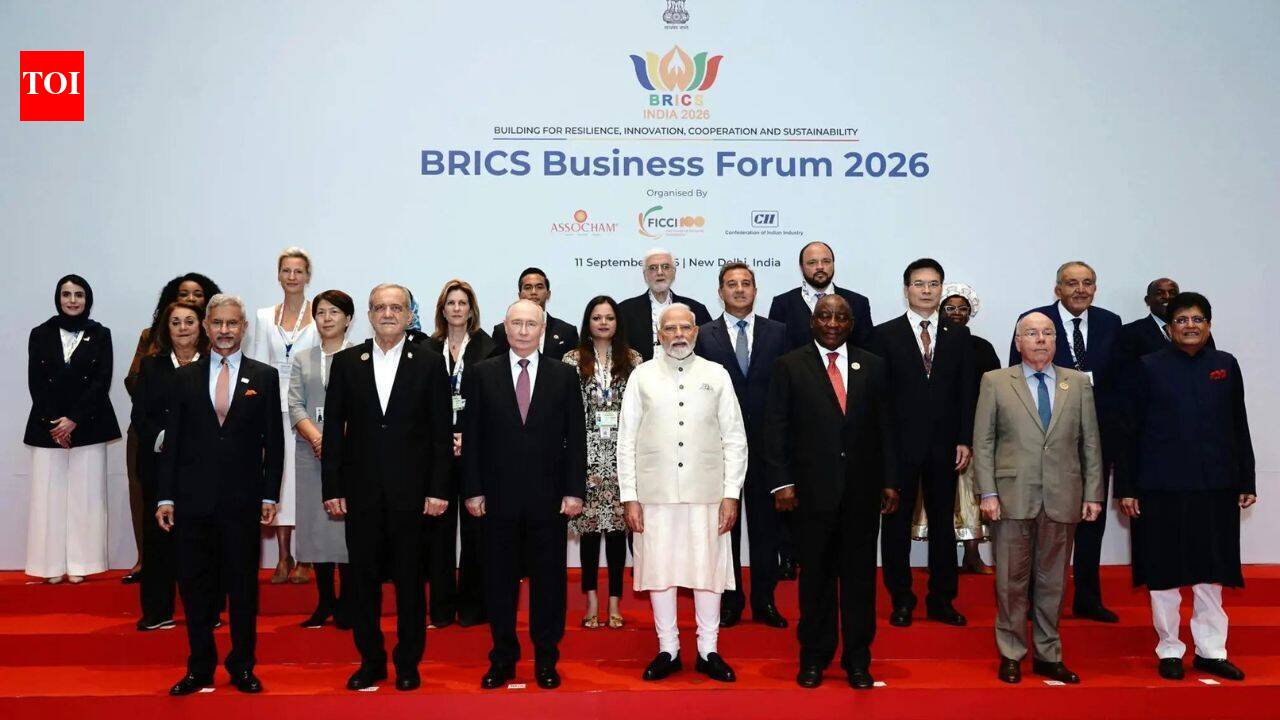
Iranian President Masoud Pezeshkian is in New Delhi for the 18th BRICS summit, highlighting the severe impact of US-led sanctions and conflict on Iran's economy. Prime Minister Modi has urged for diplomatic resolutions to address rising tensions and secure critical energy supply chains in the Strait of Hormuz.
Escalating Tensions: Iran’s Economic and Security Crisis at the BRICS Summit
Iranian President Masoud Pezeshkian’s arrival in New Delhi for the 18th BRICS summit marks a critical juncture in international diplomacy. As the region faces a "far more dangerous phase" of economic and military pressure, President Pezeshkian has utilized the global stage to condemn what he describes as "active aggression" by the United States and Israel. The timing of this visit, occurring amidst heightened regional instability, underscores the existential nature of the challenges currently facing Tehran.
The Intersection of Economic and Regional Security
During the BRICS Business Forum, President Pezeshkian emphasized a fundamental geopolitical truth: economic security is inseparable from national and regional stability. Iran has contended with extensive international sanctions for years; however, the President noted that recent months have seen these pressures intensify significantly. By framing these economic measures as part of a broader "active aggression," Pezeshkian is signaling that Iran views its current financial isolation not as a standalone policy issue, but as a component of a larger, hostile military and political strategy.
The Strategic Importance of the Strait of Hormuz
A central pillar of the discussions between Prime Minister Narendra Modi and President Pezeshkian was the stability of global energy supply chains. The Strait of Hormuz, a vital maritime artery, has become a focal point of the conflict following the events of February 28, when a U.S.-Israel coalition initiated actions that have effectively created a chokehold on navigation. Prime Minister Modi’s emphasis on the "freedom of navigation" highlights India’s concern over energy security, as disruptions in this region directly threaten the global flow of petroleum and contribute to volatile market conditions.
India’s Role as a Diplomatic Mediator
Prime Minister Modi’s call for "dialogue and diplomacy" acts as a critical counterweight to the escalating rhetoric. By hosting this summit, India is attempting to navigate a delicate balance: maintaining its longstanding commercial and energy ties with Iran while advocating for a de-escalation of the conflict with the United States. For New Delhi, securing the sea lanes is not merely a regional preference but a necessity for economic stability, making the success of these diplomatic efforts a priority for India’s foreign policy.
Future Trends and Regional Implications
Looking ahead, the rhetoric coming from Tehran suggests that Iran is unlikely to capitulate to the current economic pressure. President Pezeshkian’s firm stance that "Iran will not be bullied" indicates that the current stalemate is likely to persist unless there is a significant shift in the approach of the U.S.-Israel coalition. The BRICS platform provides Iran with a vital avenue to strengthen its commercial ties with other emerging economies, potentially mitigating the impact of Western sanctions by diversifying its trade partnerships.
Conclusion: The Path Toward De-escalation
The synthesis of these events highlights a world increasingly fractured by competing security interests. While the diplomatic engagement in New Delhi offers a glimmer of hope for a negotiated resolution, the reality on the ground remains volatile. Ensuring the safety of seafarers and the continuity of energy supplies will remain the most pressing challenges for regional leaders as they navigate this dangerous phase of international relations.
Multiple Citing Sources