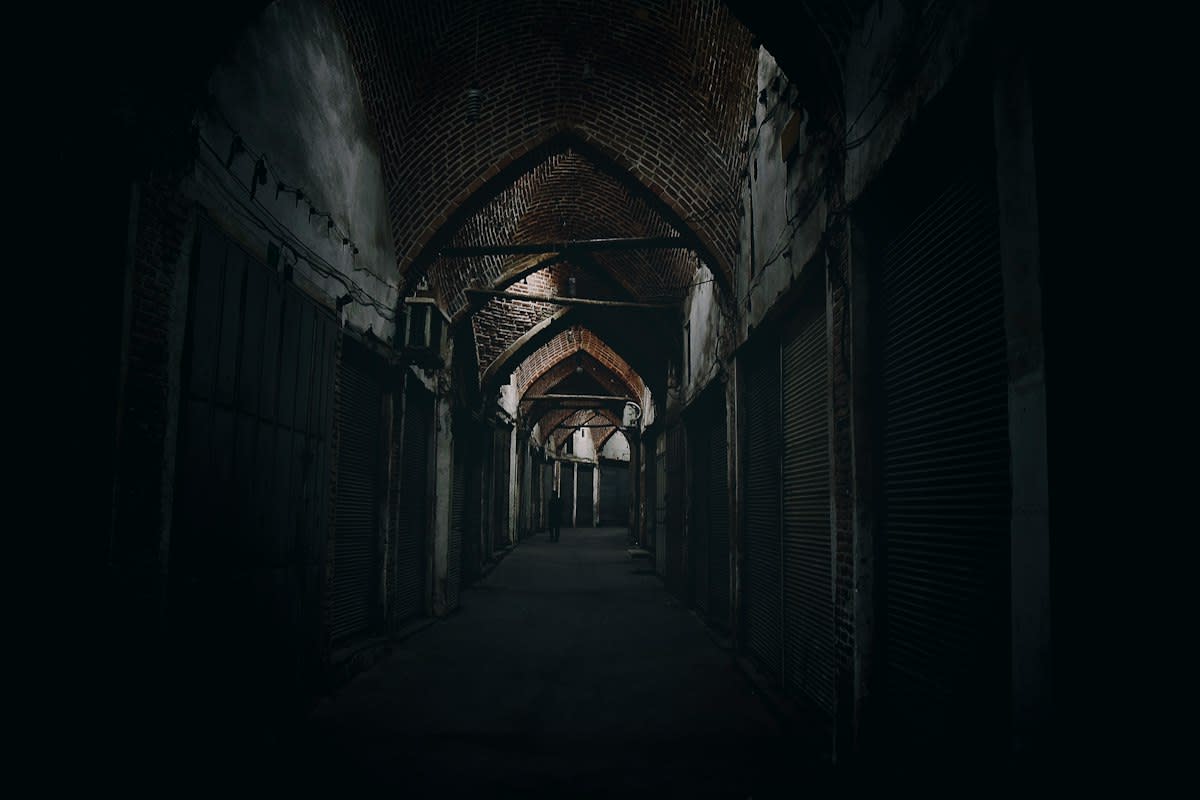
Why do we trust a pressurized concrete pipe more than a thousand-year-old subterranean channel? The default assumption in urban planning is that newer is safer. This is a fallacy. For decades, the global North has exported a model of centralized water management that relies on massive energy inputs and rigid grids. But these grids are cracking. We see a growing asymmetry between the cost of maintaining these aging networks and the actual water security they provide. The answer is not more concrete. It is the return to the labyrinth.
The Inertia of the Grid
Centralized systems create a dangerous tether. When a single pumping station fails, entire cities go dry. This mechanical failure is often hidden until it is catastrophic. Consider the ancient Qanat, a subterranean tunnel system designed to transport water via gravity (Source: Wikipedia, 2026). These labyrinths do not require electricity. They do not fight gravity; they use it. By siphoning water from highlands to arid plains, Qanats avoid the evaporation and energy costs that plague modern pipelines. The lag in adopting these decentralized logics is not a technical one, but a political one.
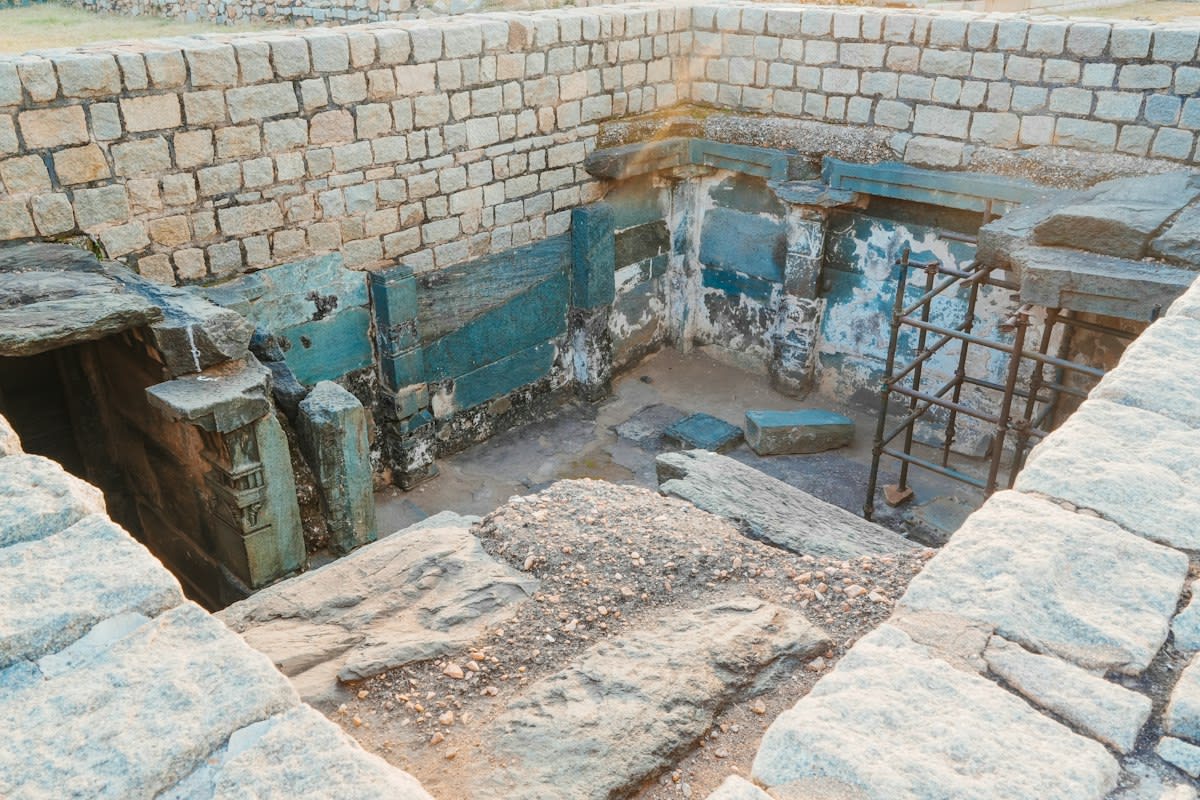
The friction exists in the procurement process. Most municipal budgets are wired to reward high-cap projects—massive dams and desalination plants—rather than the low-impact maintenance of nature-based webs. We are witnessing a collision between the legacy of industrial engineering and the necessity of biological adaptation. In India, this collision is being managed through a shift toward community-led ownership. The Ministry of Jal Shakti has organized the Sujal Gram Samvad to emphasize source sustainability and community-led Operation and Maintenance (O&M) for rural water systems (Source: DD News, 2026).
"Conventional treatment works were not designed to remove these pollutants. The firm's system acts as a final polishing step, using no operational energy and no chemicals."— Luisa Orsini, CEO at Daphne Water Solutions
The Biology of Filtration
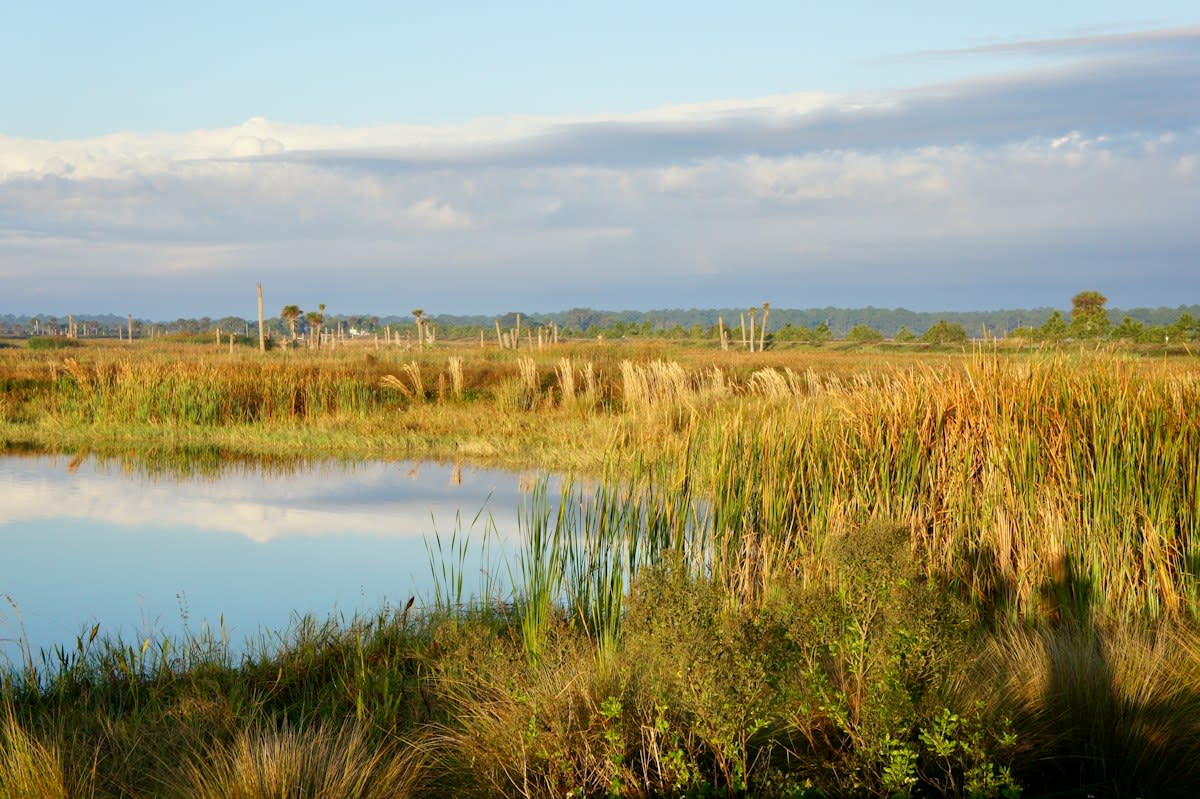
Water is not just about volume; it is about purity. Modern chemical treatment is energy-intensive and often fails to catch the newest threats. Pharmaceuticals, pesticides, and microplastics are now ubiquitous in treated wastewater (Source: Greater Birmingham Chambers, 2026). Standard plants simply let these contaminants leak back into the environment. The solution is a return to nature-based technology. Daphne Water Solutions has developed a patented system that removes these emerging contaminants without the use of operational energy or chemicals (Source: Greater Birmingham Chambers, 2026).
The efficiency of this approach is staggering. A peer-reviewed study found that this nature-based method has a 98 per cent lower carbon footprint than conventional advanced treatment (Source: Greater Birmingham Chambers, 2026). This is not a marginal gain. It is a structural break from the energy-heavy defaults of the 20th century. The technology is already being tested in diverse terrains, including paid demonstrations with Umgeni Water in South Africa (Source: Greater Birmingham Chambers, 2026).
| Metric | Conventional Centralized | Nature-Based/Decentralized |
|---|---|---|
| Carbon Footprint | High (Energy Intensive) | 98% Lower (Source: Greater Birmingham Chambers, 2026) |
| Energy Requirement | Constant Electricity/Pumping | Zero Operational Energy (Source: Greater Birmingham Chambers, 2026) |
| Ownership Model | Municipal/State Default | Community-led O&M (Source: DD News, 2026) |
| Contaminant Focus | Basic Biological/Chemical | Microplastics/Pharmaceuticals (Source: Greater Birmingham Chambers, 2026) |
These results expose the inefficiency of the status quo. Why continue to invest in high-carbon filtration when the biological alternative exists? The answer lies in the invisible frictions of the industry. I have spent years watching the clash between 'hard' engineers and 'soft' ecologists. The hard engineers view nature-based solutions as unreliable or 'too slow.' They prefer the predictability of a pump, even if that pump requires a failing power grid to operate. This is the core of the internal industry dispute: a preference for controllable failure over uncontrollable success.
Community Ownership as a Safeguard
Infrastructure is only as strong as the people who maintain it. Centralized systems suffer from a lack of local agency; when a pipe bursts in a remote village, the community waits for a distant government agency to send a technician. This lag is deadly. The Sujal Gram Samvad initiative in India addresses this by emphasizing community ownership of rural water supply systems (Source: DD News, 2026). By shifting the Operation and Maintenance (O&M) to the users, the system becomes a living web rather than a static asset.
This model transforms the user from a passive consumer into a steward. When a community owns the source, the incentive to prevent leakages and contamination increases. It removes the disconnect between the person using the water and the person managing the infrastructure. This is the same logic that kept Qanats functioning for millennia. The labyrinth was not just a physical structure; it was a social contract.
Fact-Check & Accuracy Note
The data regarding carbon footprints (98% reduction) is based on peer-reviewed studies associated with Daphne Water Solutions' nature-based technology. Academic debate continues regarding the scalability of these systems in ultra-dense megacities where space for biological filtration is limited, though they remain highly effective for rural and peri-urban terrains.
Ultimately, saving these hidden water-labyrinths—both the ancient and the emerging biological ones—requires a hard turn in how we value infrastructure. We must stop measuring success by the size of the project and start measuring it by the longevity of the source. The transition from energy-heavy pumps to gravity-fed and nature-based systems is not a step backward. It is an adaptation to a world where energy is expensive and water is finite.