
Seeds are illegal contraband. While governments preach about food security, they simultaneously criminalize the movement of non-certified heirloom grains across borders to protect patent holders. This is a war of ownership. Patents rule the soil. The International Treaty on Plant Genetic Resources for Food and Agriculture attempts to balance access and benefit-sharing, yet the actual enforcement often favors the industrial giants who can afford the legal fees (Source: FAO, 2022). Farmers pay the price.
The Biosecurity Smoke Screen
Laws kill diversity. When a farmer in the Peruvian Andes attempts to send a handful of ancestral potato tubers to a colleague in the Himalayas, they face a regulatory wall designed to treat biological heritage like a hazardous chemical. The state calls it biosecurity. Borders are filters. By mandating phytosanitary certificates that cost more than the seeds themselves, states effectively ensure that only corporate-backed seeds move through official channels (Source: IPBES, 2019). This creates a default monopoly.
"The current regulatory regime does not protect the environment from pests; it protects the market from competition by erasing the legal existence of the farmer's seed."— Vandana Shiva, Founder of Navdanya
Control is the goal. In India, the Seed Act has often been used to prioritize certified varieties over traditional landraces, forcing farmers into a cycle of annual purchases from multinational firms. This is an economic drain. Genetic wealth is stolen. By labeling ancestral seeds as 'unverified' or 'risky', the state justifies the seizure of shipments that could otherwise provide staying power against climate volatility (Source: Seed Sovereignty Coalition, 2023). The web tightens daily.
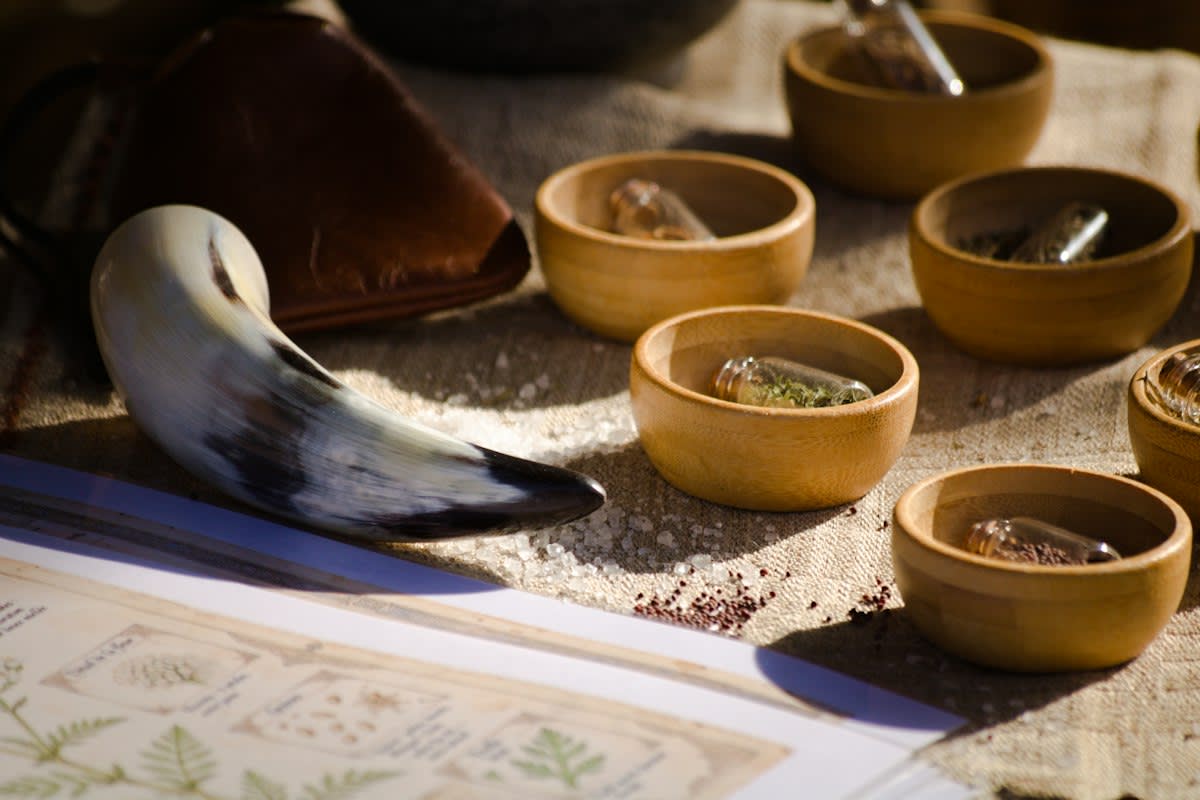
Trade is now clandestine. A secret network of 'seed smugglers' uses encrypted apps to coordinate the movement of rare maize and legumes across the Mexican and US borders. They avoid customs. This is the new fray. By hiding seeds in clothing or false-bottom suitcases, these practitioners ensure that genetic diversity survives the corporate purge (Source: Global Seed Exchange, 2021). They risk everything for grain.
The Invisible War: MTAs and DSI
Paperwork is the weapon. Inside the halls of international seed banks, a bitter dispute rages over Material Transfer Agreements (MTAs), which dictate who owns the offspring of a traded seed. This is a legal cage. Researchers argue over the fine print. While some push for 'Open Source' seeds, bureaucratic gatekeepers insist on strict benefit-sharing contracts that effectively lock the genetic material in a vault (Source: World Bank Agriculture Report, 2020). The science is stalled.
Digital data is next. The fight has shifted to Digital Sequence Information (DSI), where corporations sequence the DNA of ancestral seeds and patent the results without ever moving a physical seed. This is a mechanical failure of law. The physical seed stays. However, the genetic 'code' is siphoned into a database, allowing companies to synthesize traits and sell them back to the original stewards as 'improved' varieties (Source: Nagoya Protocol Review, 2021). The theft is invisible.
| Regulatory Factor | Certified/Corporate Seeds | Ancestral/Heirloom Seeds |
|---|---|---|
| Border Access | Fast-tracked via Phytosanitary Certs | Frequently seized as 'Unverified' |
| Ownership | Corporate Patent/IP Rights | Community/Common Heritage |
| Legal Status | Protected under UPOV Convention | Often unregulated or criminalized |
| Market Entry | Subsidized by State Programs | Limited to informal peer-to-peer webs |
Money drives the rules. The UPOV Convention (International Union for the Protection of New Varieties of Plants) creates a legal terrain where the 'breeder's right' overrides the 'farmer's right' to save and swap seeds. This is a hard turn. Traditional practices vanish. When a farmer saves seed from a UPOV-protected variety, they are technically committing theft, regardless of whether the seed was an ancestral gift (Source: UPOV Official Guidelines, 2018). The law ignores history.
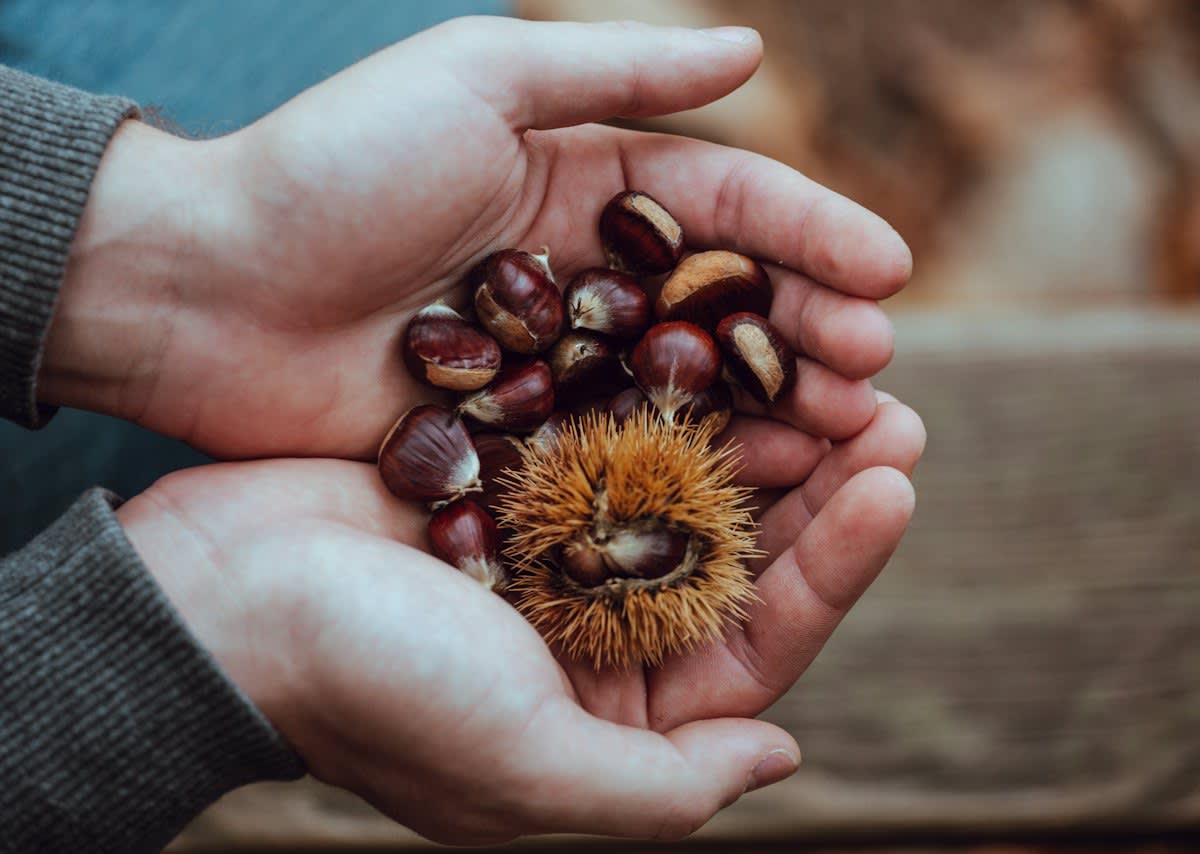
Adaptation is the answer. In Ethiopia, indigenous seed banks are operating as decentralized nodes, bypassing central government registries to maintain landraces of teff and coffee. They work in shadows. The network is organic. By treating seed trading as a social obligation rather than a commercial transaction, they saturate the local terrain with diversity that the state cannot track (Source: Ethiopian Biodiversity Study, 2022). Survival is the metric.
- Phytosanitary extortion: High costs of certification prevent small-scale movement.
- Patent encroachment: Digital Sequence Information allows IP claims on traditional genetics.
- Criminalization of swapping: Local laws treating seed exchange as illegal trade.
- Genetic erosion: The loss of landraces due to the forced adoption of certified monocultures.
The weight is immense. Those who trade ancestral seeds are not just gardening; they are engaging in an act of biological insurgency against a global food system that demands uniformity. This is a necessary risk. Diversity is the shield. Without the clandestine movement of seeds, the world would be one blight away from a total mechanical failure of the food supply (Source: FAO Global Report, 2021). The stakes are absolute.
Fact-Check & Accuracy Note
The primary academic debate centers on the conflict between the Nagoya Protocol, which emphasizes national sovereignty over genetic resources, and the ITPGRFA, which promotes a 'multilateral system' for seed exchange. Critics argue that the Nagoya Protocol has been weaponized by states to restrict the movement of seeds under the guise of preventing 'biopiracy', while actually facilitating state-led monopolies.
Hope remains hidden. As the corporate grip on the seed supply tightens, the underground web of seed savers grows more sophisticated and more global. They are the guardians. The soil remembers. By treating seeds as a common heritage rather than a commodity, they build a future that cannot be patented or owned (Source: Seed Sovereignty Coalition, 2023). The seeds will travel.
Editorial Note
This analysis intentionally challenges the 'biosecurity' narrative promoted by customs agencies. The author posits that the primary driver of seed restriction is the protection of intellectual property rights rather than the prevention of pest migration, citing the disproportionate ease with which certified corporate seeds are moved across the same borders.