500,000 tests hit the labs annually. PUB executes these trials across physical, organic, inorganic, radiological and microbiological parameters to ensure every drop meets WHO Guidelines for Drinking-water Quality (Source: Edmund Yeo, 2026). This constant surveillance transforms the city into a living laboratory where tap water is treated as a strategic asset rather than a utility. The obsession with purity is not accidental but a necessity born from a total lack of natural freshwater reserves.
Water is a weapon here. The Four National Taps strategy integrates local catchment water, imported water, NEWater, and desalinated water to create a redundant supply chain (Source: Edmund Yeo, 2026). By diversifying the sources, the state eliminates the risk of a single point of failure. This redundancy allows the city to maintain stability even when regional geopolitical tensions threaten imported supplies or when drought hits the local catchments.
The Machinery of Reclamation
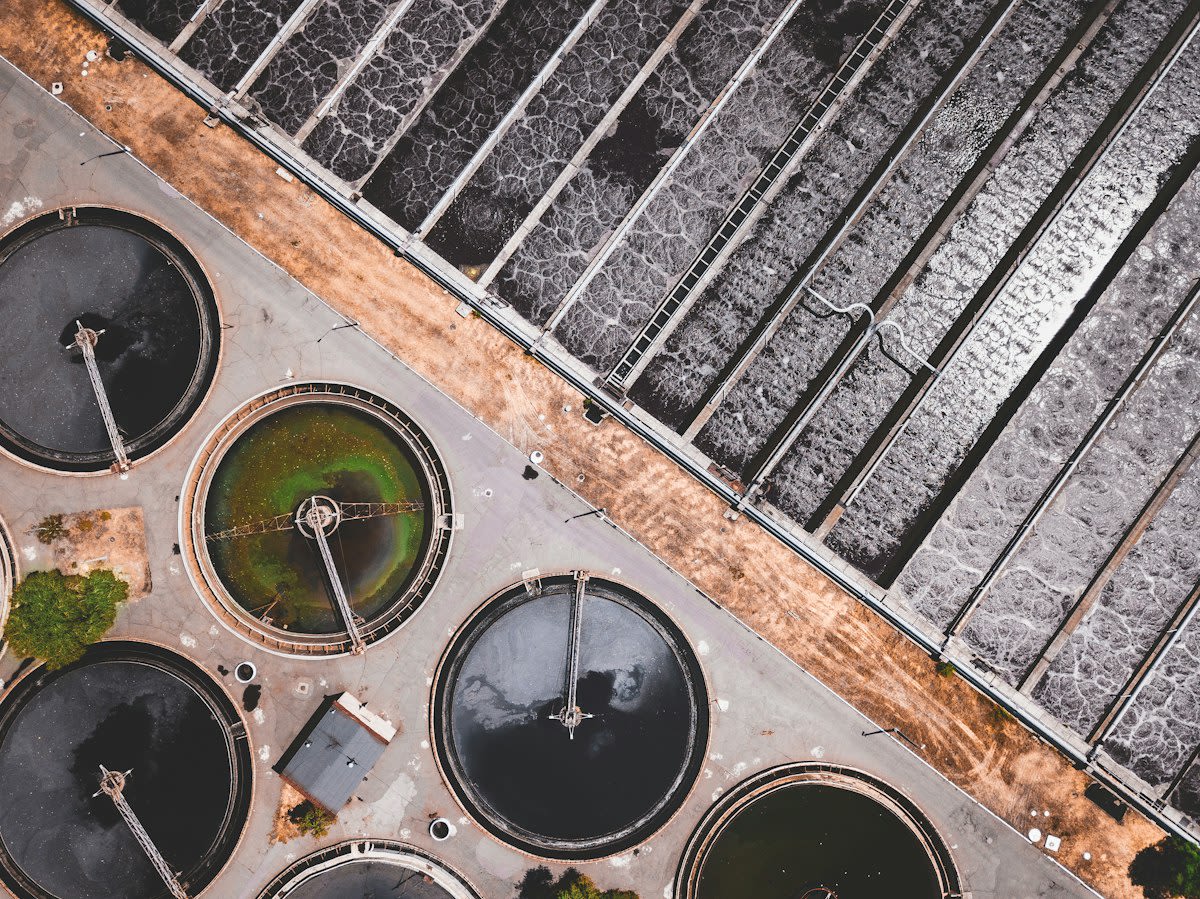
NEWater is the crown jewel. This process treats wastewater through a rigorous three-stage sequence comprising microfiltration, reverse osmosis, and ultraviolet disinfection (Source: FYI Arch, 2026). Microfiltration strips out the bulk solids, while reverse osmosis forces water through a semi-permeable membrane to remove ions and organic molecules. The final UV blast ensures that any remaining microbial threats are neutralized before the water enters the reservoirs.
Purity exceeds the baseline. While tap water is already suitable for direct consumption without further filtration, some consumers still utilize secondary filters for sensory reasons, citing a preference for a smoother taste (Source: Edmund Yeo, 2026). This gap between safety and perception highlights the psychological barrier to recycled water. Despite the technical perfection, the visceral memory of the water's origin remains a hurdle for the general public.
"When we look at Singapore, we see a nation that has turned its greatest vulnerability, water scarcity, into a platform for global leadership in integrated water management and urban sustainability."— Farchad Kaviani, Managing Director in Southeast Asia, SUEZ
The shift is now industrial. Beyond municipal drinking water, the focus has moved toward closing resource loops for heavy energy users (Source: Eco-Business, 2026). This means treating the byproducts of human activity as raw materials for the next cycle. The goal is to synchronize energy loops, material loops, and carbon loops into a single, circular framework.
The Data Center Variance
Humming server racks demand thirst. AWS has aggressively optimized its water usage effectiveness, moving from 1.68 litres per kilowatt-hour in 2024 to 1.57 L/kwh in 2025 (Source: About Amazon, 2026). This variance represents a significant reduction in the water overhead required to keep high-density compute clusters from overheating. In the oppressive humidity of the tropics, every milliliter saved reduces the load on the municipal grid.
| Metric | 2024 Value | 2025 Value | Variance |
|---|---|---|---|
| AWS WUE (L/kWh) | 1.68 | 1.57 | -0.11 |
| Cooling Method | Open-Loop | Enhanced Open-Loop | Hydroleap Integration |
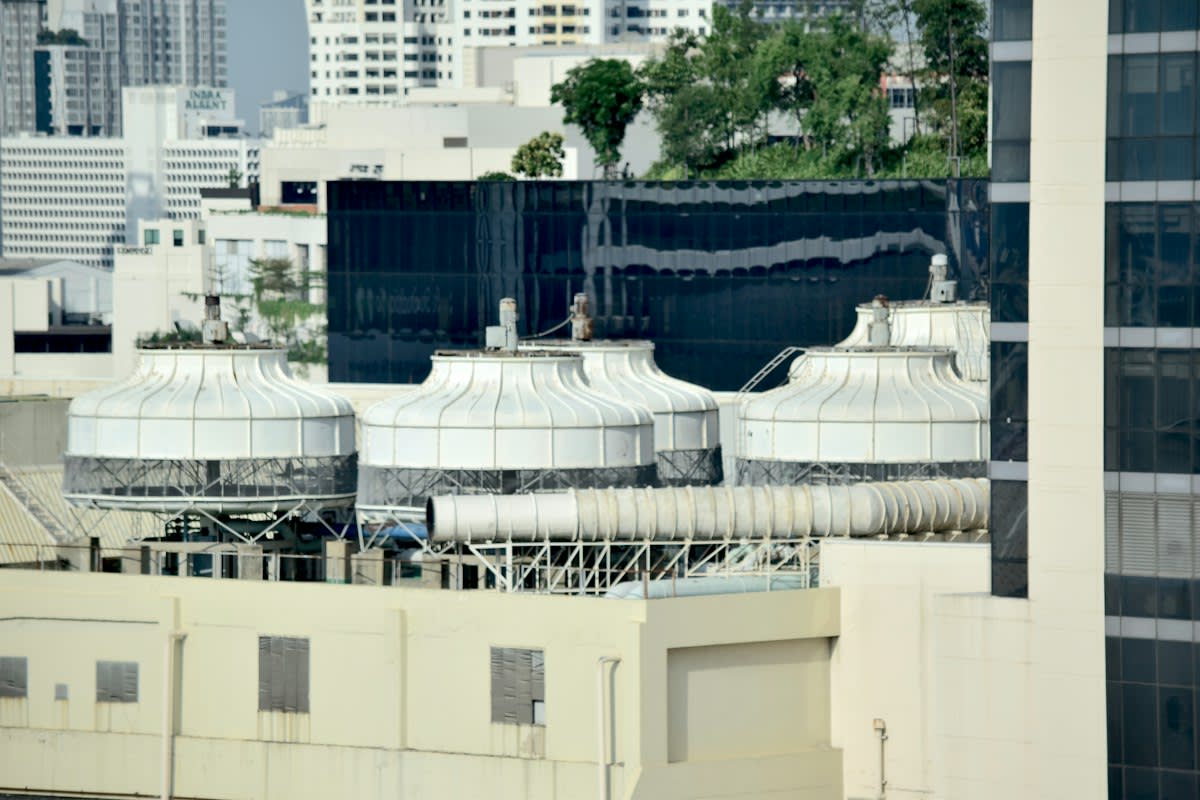
Electrical currents replace chemicals. AWS partnered with the startup Hydroleap to deploy a chemical-free recycling system at their cooling towers, passing an electrical current through the water to strip contaminants (Source: About Amazon, 2026). Traditional heavy chemical dosing often leaves residues that complicate the recycling process. By using electricity, they reduce the volume of water discharge and simplify the return loop.
Open-loop cooling is the standard. Water absorbs heat from the servers and releases it through evaporation, which minimizes the need for energy-heavy mechanical chillers (Source: About Amazon, 2026). However, this process is a trade-off between electricity and water. The current trend is to find the equilibrium where the most heat is moved with the least resource expenditure.
The operative reality is messy. In the control rooms, under the fluorescent flicker, engineers argue over the precise timing of the electrical pulses in the Hydroleap systems. There is a constant tension between the desire for zero-discharge and the reality of brine buildup in the cooling towers. The air smells of scorched polymer and stale air-conditioning, a reminder that this digital cloud is anchored in heavy, wet machinery.
The Failure Point
Closed loops often leak. A significant portion of water used for cooling in Southeast Asian data centers is lost because closed-loop water reuse systems remain limited (Source: The Southeast Asia Desk, 2026). When water does return to the grid, it is frequently contaminated, creating a waste stream that is harder to treat than standard municipal sewage. This creates a trilemma between power demands, water availability, and grid stability.
Contamination is the silent killer. If the recycling systems fail, the resulting runoff can pollute local catchments, undermining the very security the Four National Taps seek to build. The reliance on a few high-tech solutions like Hydroleap means that a failure in the electrical current system could lead to an immediate spike in chemical dosing to prevent bio-fouling in the pipes.
The risk is concentrated. As the region sees a $30B data center boom, the cumulative water demand may outpace the speed of the NEWater expansion (Source: The Southeast Asia Desk, 2026). If the variance in WUE does not continue to drop, the city may face a scenario where industrial cooling competes directly with municipal drinking needs.
Editorial Note
The current data suggests a successful shift in industrial efficiency (AWS WUE drop), but the broader regional trend shows a dangerous lag in the adoption of closed-loop systems across the ASEAN sector.
Fact-Check & Accuracy Note
All statistics regarding PUB water tests and WHO compliance are based on 2026 reported data. WUE figures are sourced from AWS sustainability disclosures for the 2024-2025 period.