18th IDSFFK ends without screening “banned” competition films
Source Entity
India Latest News: Top National Headlines Today & Breaking News | The Hindu
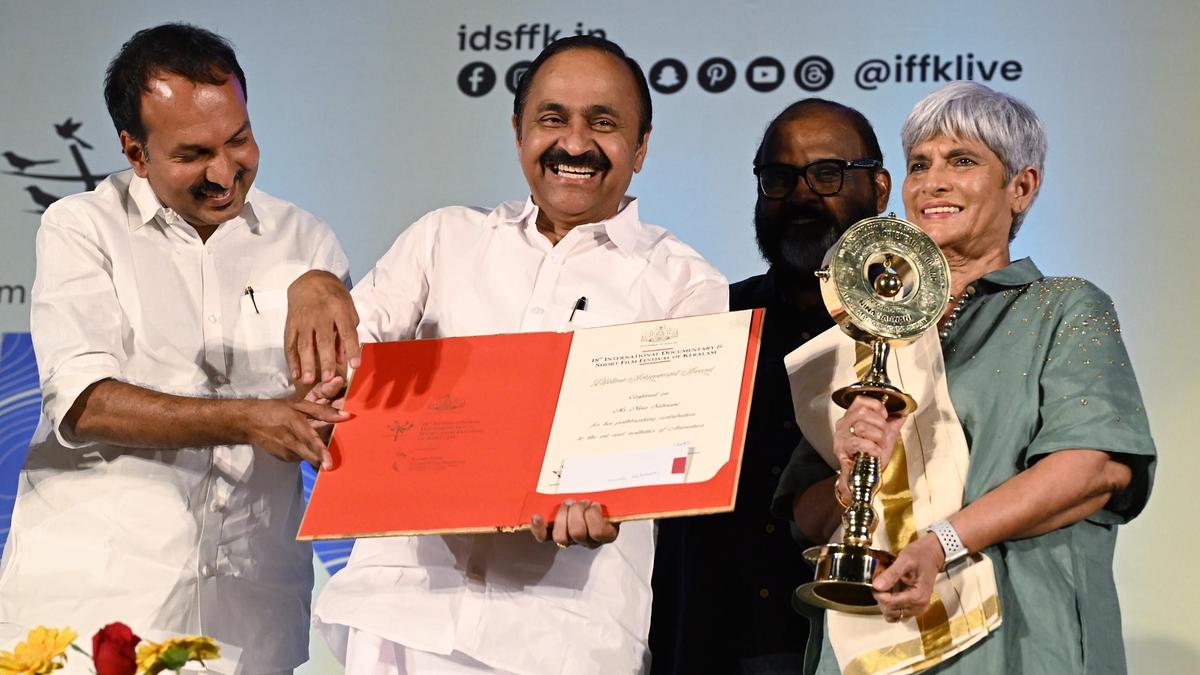
The 18th International Documentary and Short Film Festival of Keralam concluded after failing to screen seven films denied censor exemption by the Union Ministry. The state government adhered to a High Court ruling that blocked the provisional screening of these contested works.
The 18th IDSFFK Concludes Amid Censorship Controversy
The 18th edition of the International Documentary and Short Film Festival of Keralam (IDSFFK) reached its conclusion this Wednesday under the shadow of a significant administrative and legal standoff. The festival, a prominent platform for non-fiction storytelling, concluded without the screening of seven specific films—five of which were originally slated for the prestigious competition section. This absence was necessitated by the Union Ministry of Information & Broadcasting’s refusal to grant the required censor exemptions, a move that has sparked intense debate regarding creative freedom and institutional oversight.
Legal Hurdles and Regulatory Constraints
The impasse began when the Union Ministry of Information & Broadcasting withheld permission for the public exhibition of the seven films in question. In the Indian context, documentaries and short films intended for public festivals typically require either a censor certificate or a formal exemption from the Ministry. The denial of this exemption effectively rendered the public screening of these works legally untenable, leading to a direct conflict between the festival organizers, the Kerala State Chalachitra Academy, and federal regulatory authorities.
The Role of the Judiciary
The situation escalated when the matter reached the Kerala High Court. On September 28, the court issued a ruling that denied permission for the provisional screening of these films. This judicial intervention served as the decisive factor for the State government and the Academy. Despite the artistic merit or the competitive standing of the films, the festival organizers felt compelled to comply with the court's directive, prioritizing legal adherence over the exhibition of the contested documentaries.
Perspectives on Private vs. Public Screening
A notable aspect of this controversy involved the arguments presented by former jury members of the IDSFFK. These industry professionals urged the Kerala State Chalachitra Academy to facilitate private, closed-door screenings for the jury, contending that the Ministry’s denial applied specifically to public exhibition. They argued that viewing the films in a restricted environment would allow the jury to evaluate the merit of the competition entries without violating the spirit of the Ministry’s order. However, the State government ultimately opted for a more cautious approach, choosing not to facilitate these private viewings.
Broader Implications for Film Festivals
This incident highlights a growing tension between independent documentary filmmakers and the central regulatory framework in India. The IDSFFK has historically served as a space for diverse and often challenging narratives. When administrative hurdles prevent the screening of selected films, it raises broader questions about the autonomy of state-run film festivals and the impact of federal censorship policies on the cultural landscape. The inability to screen these competition films marks a significant moment for the festival, reflecting the complexities of navigating federal mandates in the realm of creative expression.
Conclusion
As the 18th IDSFFK wraps up, the legacy of this edition will likely be defined by the films that were absent. The reliance on judicial arbitration to resolve conflicts between festival programming and governmental censorship underscores the fragile nature of independent cinema distribution. Moving forward, the industry will continue to monitor how such regulatory barriers influence the selection process and the overall viability of film festivals as platforms for unfiltered, documentary storytelling.
Verification Required?