Stones, Beer Bottles Thrown During Clashes At Kerala University Hostel
Source Entity
NDTV News Search Records Found 1000
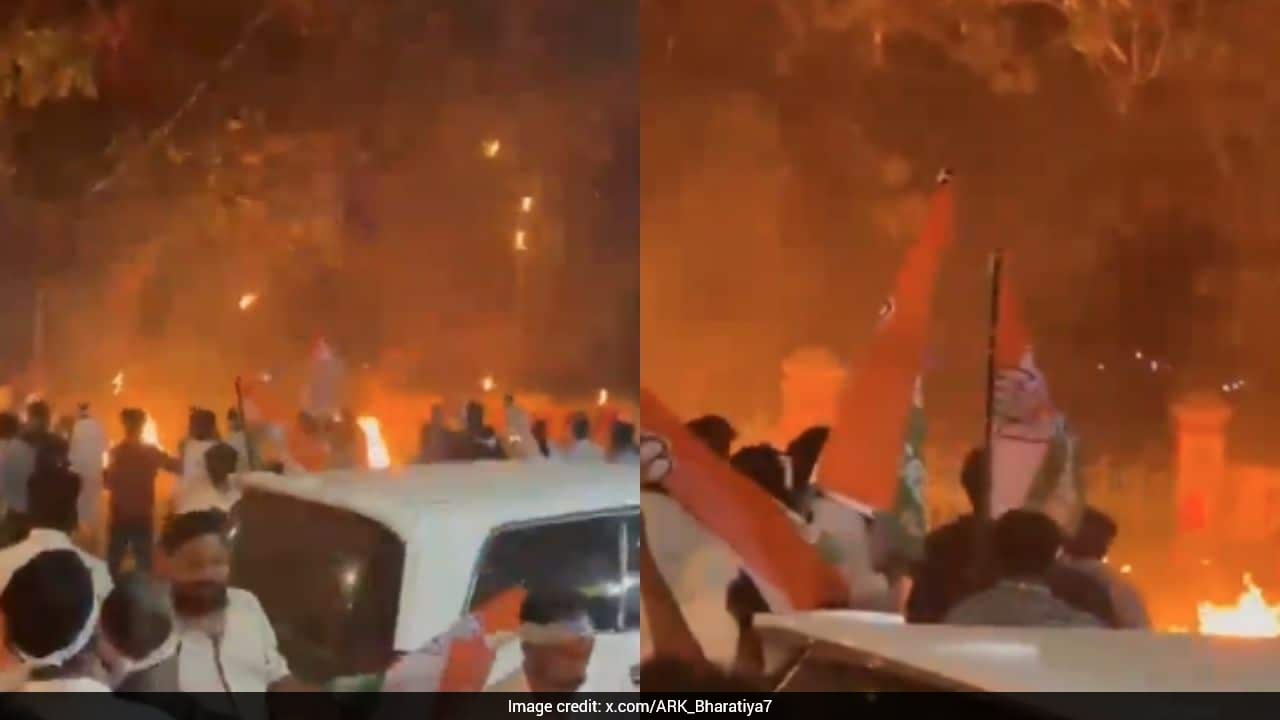
Tensions flared in Thiruvananthapuram as a Youth Congress march demanding the resignation of the Chief Election Commissioner descended into violent clashes with SFI activists. The confrontation resulted in multiple injuries and significant public disruption, forcing police intervention.
Political Unrest in Thiruvananthapuram
The capital city of Kerala, Thiruvananthapuram, descended into chaos on Wednesday evening as a political march organized by the Youth Congress escalated into a violent confrontation with activists from the Students Federation of India (SFI). The march, which was intended to head toward Statue Junction, became the focal point of intense hostility, effectively paralyzing the Palayam and MG Road areas for several hours. This disruption not only halted local traffic but also created a volatile atmosphere in the heart of the state capital.
The Catalyst for Conflict
The primary driver of this unrest was a demand by the Youth Congress for the resignation of Chief Election Commissioner Gyanesh Kumar. By framing their protest around high-level institutional criticism, the Youth Congress sought to mobilize support, but the demonstration quickly shifted from a political statement to a physical clash. The presence of SFI activists near the University College area provided a flashpoint, turning the streets into a battlefield where both groups exchanged accusations of initiating the violence through the throwing of stones and bottles.
Escalation and Property Damage
The intensity of the conflict reached a critical level when the violence spilled over into the University College men’s hostel premises. Reports indicate that the confrontation involved the use of dangerous projectiles, including beer bottles and torches. The inclusion of incendiary items, such as torches, posed a significant threat to public safety and private property, with incidents of fire being directed at parked vehicles and windows within the hostel vicinity. This escalation marked a dangerous departure from standard political protesting.
Law Enforcement Response
Faced with a rapidly deteriorating situation that threatened the safety of the public and the integrity of nearby government structures, including the Secretariat, the Kerala Police were forced to intervene. Officers deployed teargas shells and conducted a lathicharge to disperse the feuding factions. Despite these efforts, the clashes resulted in injuries to several youths and at least one police officer, highlighting the high cost of the confrontation. The police response was necessary to contain the violence, yet it underscores the severity of the security challenge posed by the clashing political groups.
Broader Implications and Future Trends
This incident reflects the increasingly polarized political climate in Kerala, where student and youth wings of political parties frequently engage in street-level confrontations. When institutional demands—such as those regarding the Election Commission—are coupled with intense local rivalries, the potential for civil disruption grows exponentially. Moving forward, the state authorities may face increased pressure to implement stricter regulations on protest routes and demonstrations near sensitive educational and administrative hubs to prevent similar occurrences of violence.
Summary of Events
The events at Palayam serve as a stark reminder of the fragility of civil discourse when political tensions are allowed to manifest as physical violence. With injuries reported on both sides and significant property damage incurred, the incident underscores the need for political restraint. As investigations continue, the focus remains on restoring order and addressing the underlying grievances that prompted the march, while preventing such volatile clashes from recurring in the state capital.
Verification Required?