
The global energy map is not a reflection of current needs but a ghost of previous conquests. For decades, the world relied on maritime choke points, treating the ocean as a frictionless conveyor belt for hydrocarbons. But the events of July 2026 have exposed the fragility of this assumption. When the United States launched a series of strikes against Iranian bridges and energy infrastructure on July 17, it did not just target military assets; it targeted the very arteries of regional stability. The immediate retaliation—an Iranian strike on a power and desalination plant in Kuwait—demonstrated that in a conflict of attrition, the distance between a pipeline and a power grid is non-existent.
Why does the world remain tethered to these specific corridors? Because the infrastructure of the 20th century was designed for imperial extraction, not resilient distribution. The Strait of Hormuz is the ultimate example of this design flaw. It is a narrow throat through which a massive percentage of global oil must pass, creating a single point of failure that can trigger a global price spike with a single missile. Oil markets felt this tension acutely last week, with Brent's forward curve shifting to reflect mounting supply risks as attacks intensified around the strait, sending prices to a one-month high before traders questioned the actual volume of disruption.
The Great Bypass: Reviving the Kirkuk-Baniyas Line
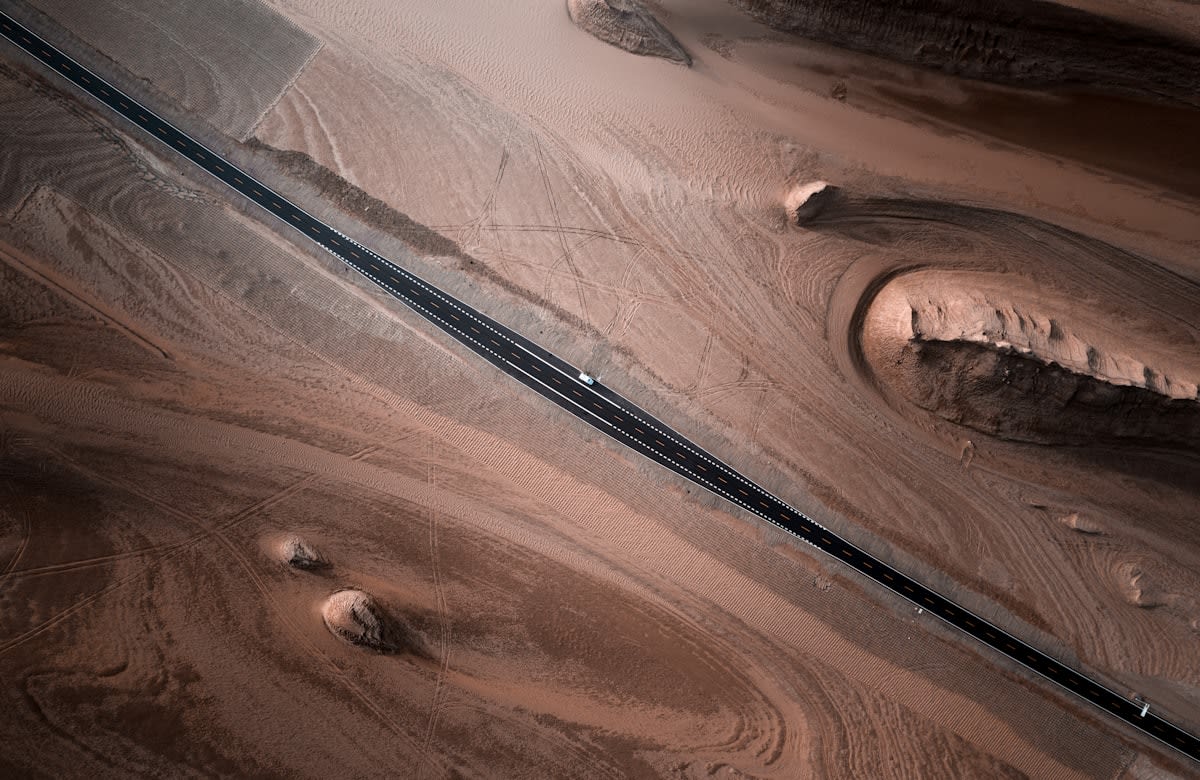
Faced with the volatility of the Strait of Hormuz, Iraq and Syria have made a desperate return to the land. On July 17, 2026, the two nations signed an agreement to restore a crude oil pipeline that has been dormant since the 2003 U.S. invasion of Iraq. This is not a new project but a resurrection. The pipeline stretches from the oil-rich Kirkuk region in northern Iraq to Syria's Mediterranean coast at the port of Baniyas. By rebuilding this route, Baghdad seeks to decouple its economic survival from the whims of the Persian Gulf's narrow waters.
The scale of this ambition is significant. With a nameplate capacity of 700,000 barrels per day, the Kirkuk-Baniyas pipeline represents more than just a technical fix; it is a strategic hedge. Iraq, the second-largest oil producer in OPEC, has been crippled by the disruption of tanker traffic. The involvement of Western firms, including Chevron, suggests that the U.S. is now actively supporting the creation of alternative routes to ensure that the Strait of Hormuz becomes, in the words of U.S. Ambassador to Turkiye Tom Barrack, an afterthought.
"Iraq’s latest oil pipeline agreements would lead to a programme that will make the Strait of Hormuz an afterthought."— Tom Barrack, U.S. Ambassador to Turkiye
Is this a move toward stability or merely a shift in risk? By moving oil through Syria, Iraq trades a maritime choke point for a terrestrial one. The pipeline must cross borders that have been the epicenter of conflict for a decade. Yet, the urgency of the current U.S.-Iran conflict has made this trade-off acceptable. The goal is no longer optimization; it is survival. The reliance on the Mediterranean coast as an exit point mirrors old trade routes, bypassing the volatile Gulf entirely.
Strategic Realignment
The restoration of the Kirkuk-Baniyas pipeline marks a pivot back to continental energy security, where control of the land is more valuable than the freedom of the seas.
Technocracy as Statecraft: The Ukrainian Model
While the Middle East fights over pipelines, Eastern Europe is redefining who is fit to lead a nation in an energy war. On July 16, 2026, Ukraine's parliament approved Serhii Koretskyi as prime minister. Koretskyi is not a career politician; he is a technocrat and the former CEO of Naftogaz, the state energy giant. This appointment, part of a sweeping cabinet reshuffle by President Volodymyr Zelenskyy, signals a cold realization: in modern warfare, energy resilience is the primary engine of national survival.
The logic here is clinical. Koretskyi's mandate is to manage the domestic engine, ensuring that energy infrastructure can withstand winter assaults and support military logistics. By placing an energy executive at the helm of the government, Ukraine is treating its state as a utility company. The priority is not ideological victory but the stability of the grid and the flow of fuel. This is the ultimate expression of energy-driven governance, where the CEO becomes the Prime Minister because the power plant is the most critical piece of national security.
This shift reflects a broader global trend where energy security is no longer a department within a government but the government itself. When civilian morale and military capability depend entirely on the resilience of the grid, the traditional divide between political leadership and technical management vanishes. Ukraine is essentially operationalizing its energy strategy as its primary defense mechanism.
| Metric | Strait of Hormuz (Maritime) | Kirkuk-Baniyas (Terrestrial) |
|---|---|---|
| Capacity/Volume | High (Global Scale) | 700,000 bpd |
| Primary Risk | Blockade/Naval Conflict | Border Instability/Sabotage |
| Strategic Logic | Imperial Extraction | National Survival/Bypass |
| Current Status | High Volatility (July 2026) | Under Reconstruction (July 2026) |
The AI-Gas Nexus and the New Demand Curve
While the geopolitical battles rage over oil, a quieter but more permanent shift is occurring in the power sector. Natural gas is strengthening its position not just as a transition fuel, but as the indispensable bridge for AI-driven electricity demand. The massive energy requirements of data centers are creating a baseline demand that cannot be met by intermittent renewables alone. This creates a paradox: the world is attempting to decarbonize while simultaneously doubling down on gas infrastructure to fuel the intelligence revolution.
This surge in demand reinforces the need for the very infrastructure currently under fire. Whether it is the gas grids of Europe or the power plants of Kuwait, the energy system is preparing for a future that requires more reliable energy, not less. The attack on Kuwait's desalination and power plants is particularly telling; it targets the intersection of water and energy, the two most basic requirements for urban survival in the desert.
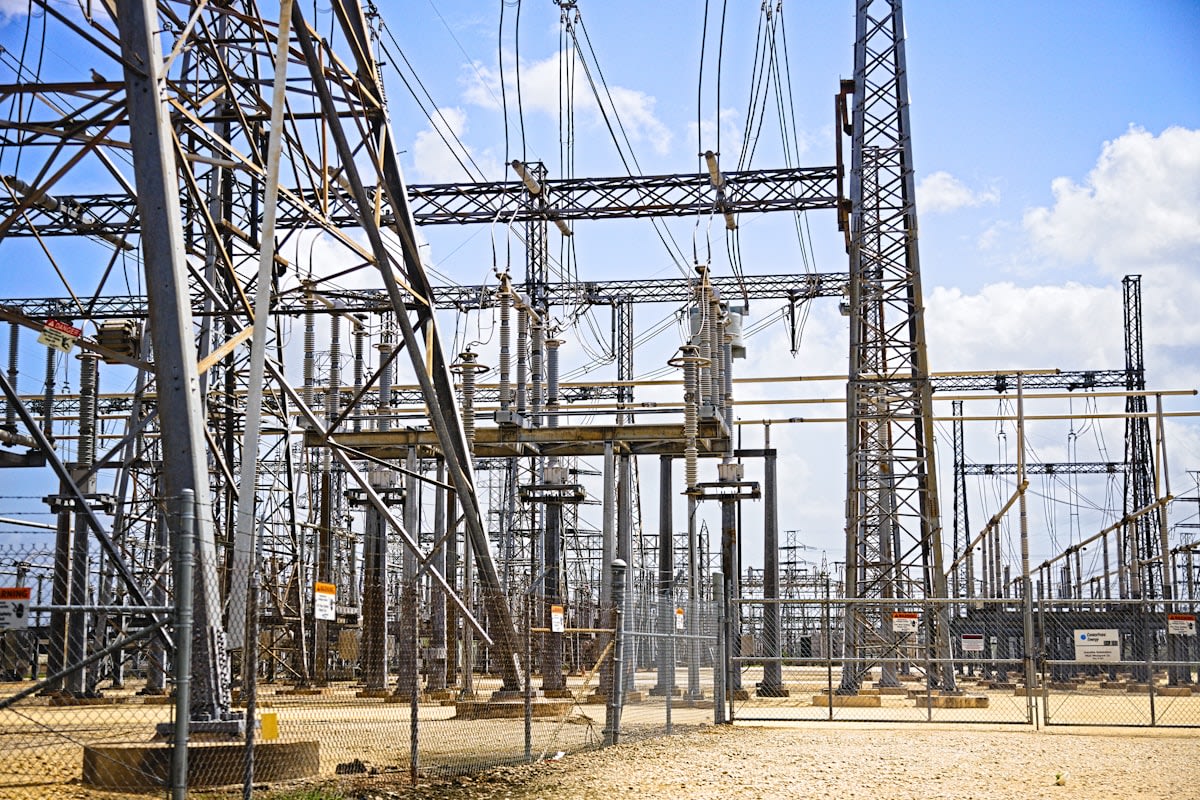
The result is a world where energy flows are becoming increasingly rigid. We are seeing a move away from the fluid, globalized markets of the early 2000s toward a system of secured corridors and technocratic management. The maps are reverting to a state of territoriality where the physical path of a pipe or a cable determines the political alignment of a nation.
Can the world truly move past the Strait of Hormuz? The Kirkuk-Baniyas project is a start, but it is a localized solution to a global vulnerability. The broader lesson is that geography is not a passive backdrop; it is an active participant in conflict. The borders drawn by empires a century ago continue to dictate where the oil flows, where the missiles land, and who is appointed to lead the state.
- Maritime choke points like the Strait of Hormuz are becoming strategic liabilities in a high-attrition conflict environment.
- The revival of the 700,000 bpd Kirkuk-Baniyas pipeline signals a return to land-based energy security.
- Ukraine's appointment of a Naftogaz CEO as Prime Minister exemplifies the merger of energy management and national governance.
- AI-driven power demand is cementing natural gas as a critical long-term infrastructure requirement.
- Energy infrastructure, specifically desalination and power plants, has become a primary target in regional retaliatory strikes.