‘Noise protest’ rocks Manipur valley districts, police fire tear gas
Source Entity
PRABIN KALITA
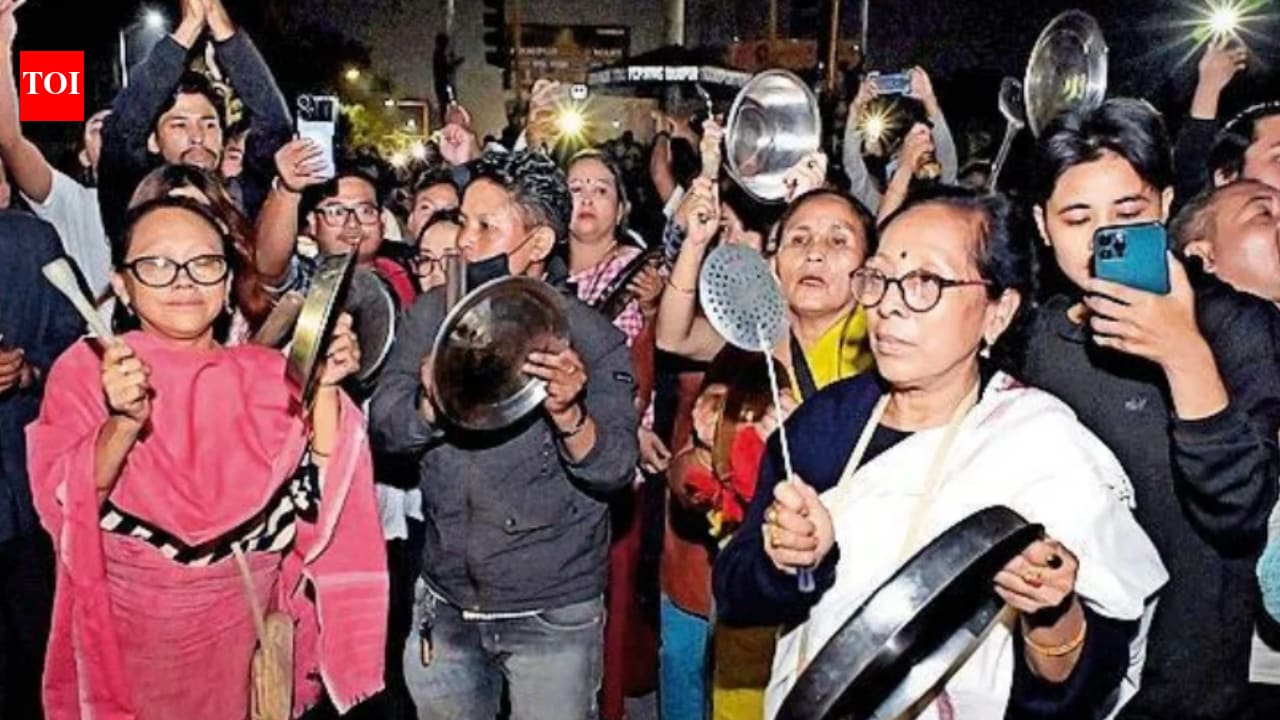
Thousands of demonstrators in Manipur's valley districts held a loud 'noise protest' using drums and utensils to demand government action. The protests, centered near Imphal's Kangla Fort, called for the implementation of the NRC and improved ethnic conflict resolution.
Manipur Erupts in Collective Protest
The recent wave of demonstrations across Manipur’s valley districts marks a significant escalation in public frustration regarding the ongoing instability in the region. By utilizing traditional noise-making methods—such as the beating of drums, blowing of horns, and striking of utensils—thousands of citizens have effectively transformed their collective grievances into a visceral, audible demand for government intervention. This unique form of protest serves as a powerful indicator of the local population's deep-seated anxiety and their exhaustion with the current state of affairs.
The Geographic and Political Epicenter
The protests reached a critical juncture near the historic Kangla Fort in Imphal, the state capital. The choice of location is symbolic, as Kangla Fort serves as a traditional seat of power and a cultural touchstone for the region. The proximity of these demonstrations to such a landmark highlights the intensity of the public’s resolve, as well as the friction between the citizenry and state authorities, leading to the deployment of tear gas by police to manage the escalating situation.
Core Demands: NRC and Ethnic Stability
At the heart of these protests are two primary policy demands: the implementation of the National Register of Citizens (NRC) and a more robust, effective response to the lingering ethnic tensions that have plagued the state. Advocates for the NRC in Manipur argue that such a registry is essential for identifying unauthorized residents and preserving the demographic and cultural integrity of the indigenous communities. This demand is inextricably linked to the broader desire for security and stability in a region frequently shaken by inter-ethnic conflict.
The Mechanics of Public Dissent
The reliance on 'noise protests' is a strategic choice by the demonstrators to ensure their voices are heard amidst a climate of perceived government inaction. By creating a cacophony that cannot be ignored, the protesters are signaling that traditional channels of feedback have failed to produce the accountability they seek. This method of non-violent, yet disruptive, expression reflects a populace that is increasingly desperate for a tangible resolution to the cycles of violence and displacement.
Broader Implications for State Governance
The government now faces a delicate balancing act. The protests underscore a widening trust gap between the administration and the public, particularly in the valley districts. Addressing these demands requires not only logistical policy shifts, such as the potential adoption of the NRC, but also a comprehensive approach to reconciliation and security that can bridge the divide between conflicting groups. Failure to provide a substantive response risks further destabilizing the region and deepening the sense of alienation among the populace.
Future Outlook and Conclusion
Moving forward, the situation in Manipur remains volatile. The transition from peaceful noise-making to confrontations involving tear gas suggests that the threshold for civil unrest is lowering. To restore order, authorities must move beyond reactive crowd control and engage directly with the stakeholders driving these protests. The persistence of the demonstrators, coupled with the specificity of their demands, suggests that the pressure on the state and central government will continue to mount until a clear, actionable roadmap for peace and demographic verification is presented.