Polling begins for panch, sarpanch elections in 3,314 gram panchayats in Rajasthan
Source Entity
Latest News: Todays Latest News Headlines from India & World | Hindustan Times | Hindustan Times
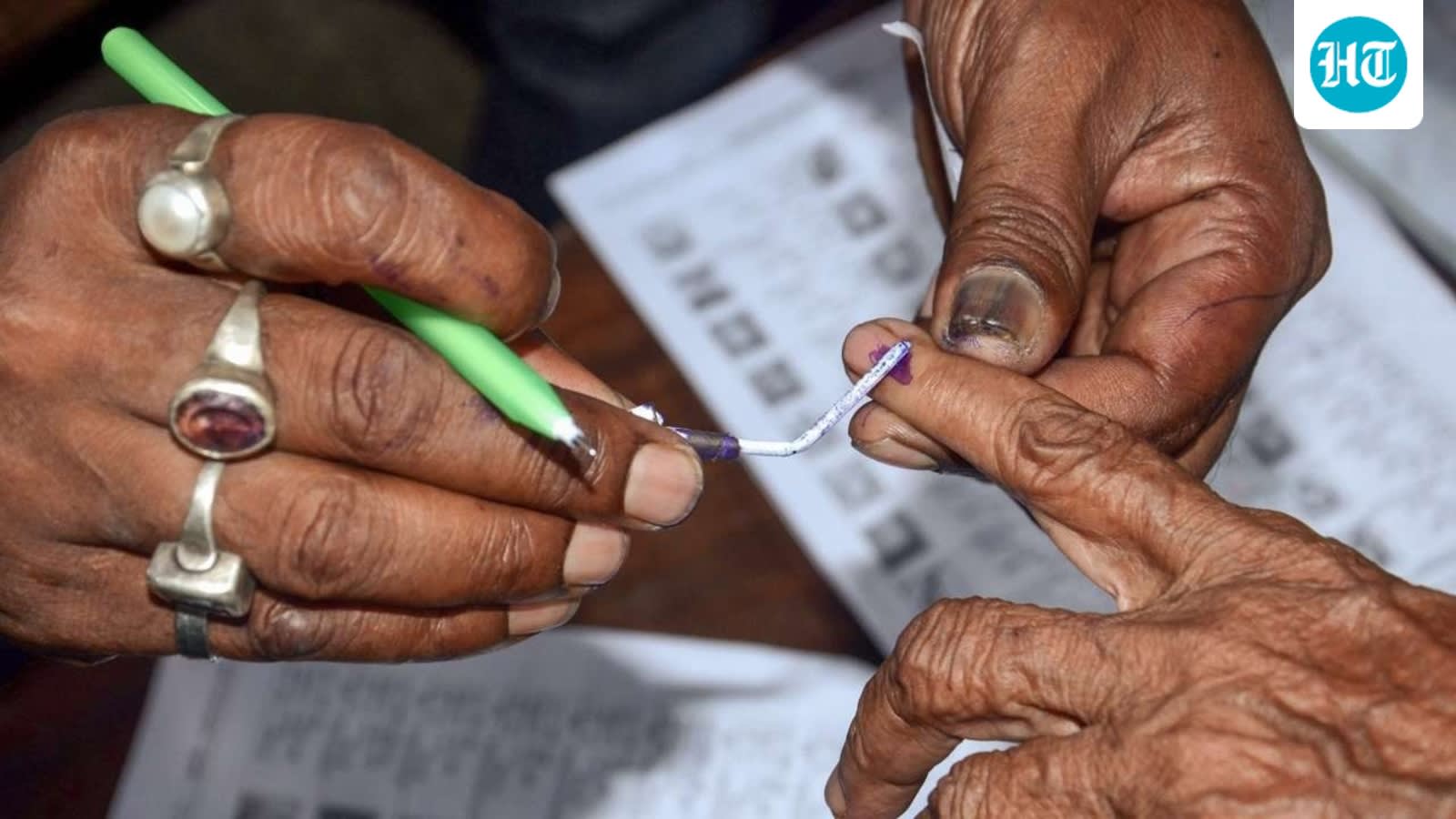
Rajasthan has commenced the first phase of its panch and sarpanch elections, covering 3,314 gram panchayats across 16 districts. Over 16,000 candidates are competing for sarpanch roles, with results expected by late evening following the conclusion of polling at 6 pm.
Grassroots Democracy in Action: Rajasthan Panchayat Polls
Rajasthan has officially commenced the first phase of its local government elections, marking a significant democratic exercise across 3,314 gram panchayats. This electoral process, involving 16 distinct districts including major hubs like Jaipur, Jodhpur, and Udaipur, serves as the bedrock of local governance in India. By empowering rural voters to select their village-level leadership, these elections facilitate direct participation in the development and administration of local affairs, ensuring that the needs of the rural populace are addressed at the most fundamental level.
The Scale of Participation
The sheer scale of this electoral phase is noteworthy, with a total of 16,795 candidates vying for the position of sarpanch. Beyond the top leadership, the simultaneous election for 28,682 ward panch seats highlights the depth of the democratic structure being activated. This competitive landscape reflects a high level of civic engagement among the rural population, as candidates and voters alike focus on issues ranging from infrastructure and water management to social welfare schemes that are managed at the panchayat level.
Geographical Coverage and Logistical Execution
The elections are spread across a geographically diverse set of 16 districts, spanning from the arid regions of Barmer and Bikaner to the urban-adjacent districts of Jaipur and Kota. The logistical undertaking of holding simultaneous polls in 3,314 gram panchayats requires meticulous coordination by the state election machinery. By standardizing the polling hours until 6 pm, the authorities have ensured a structured and transparent process, minimizing confusion and allowing for a streamlined count of votes immediately following the end of polling.
The Impact of Local Leadership
Gram panchayats serve as the primary interface between the state government and the rural citizenry. The election of a sarpanch is not merely a political contest; it is a choice of who will oversee the allocation of funds for sanitation, roads, and education within the village. The results, expected to be declared by late evening, will immediately determine the leadership trajectory for these communities. The swift turnaround from polling to counting underscores the efficiency of decentralized administrative systems.
Future Trends in Rural Governance
As Rajasthan continues to modernize its rural governance, these elections serve as a bellwether for future political trends. The high volume of candidates suggests that local political awareness is increasing, potentially leading to more competitive and policy-driven governance in the future. As these 16 districts transition to their new leadership, the focus will likely shift toward digital integration and improved transparency in how these gram panchayats utilize their allocated budgets for the betterment of their respective regions.
Conclusion
The initiation of these elections is a vital affirmation of the Panchayati Raj system. By enabling the residents of 3,314 gram panchayats to choose their representatives, Rajasthan is reinforcing its commitment to grassroots democracy. As the counting process concludes, the results will set the stage for the next term of rural development, reflecting the collective will of the voters in these critical administrative districts.
Verification Required?