For public health workers in Capital, decades of struggle finally pays off
Source Entity
Drishti Jain
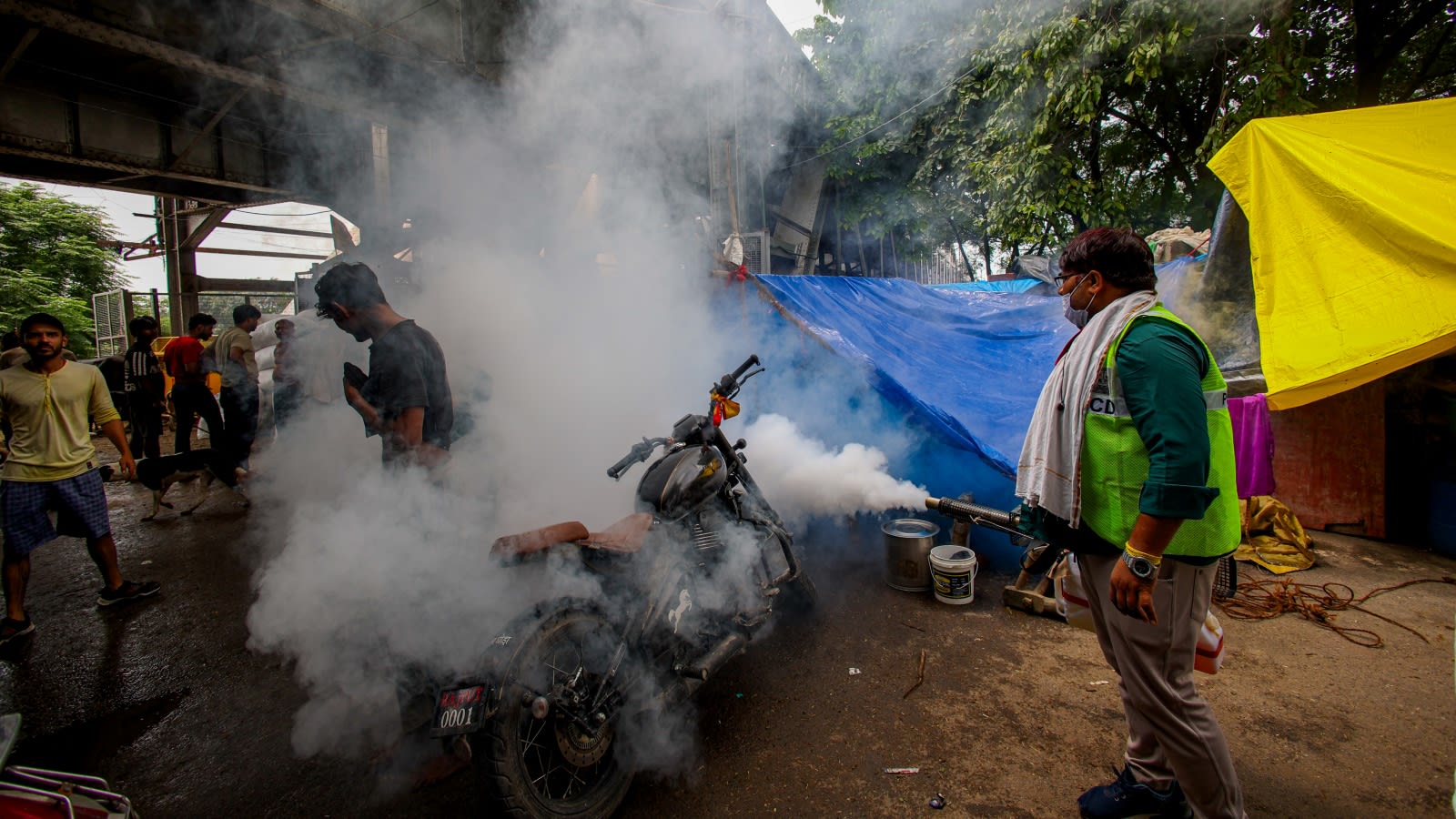
Public health workers in Delhi, including long-term domestic breeding checkers, have received a significant salary hike following an MCD decision. This move aligns wages with 'equal pay for equal work' principles, providing much-needed financial relief to employees like Madhubala.
A Milestone for Delhi’s Public Health Workforce
The recent decision by the Municipal Corporation of Delhi (MCD) to increase the monthly salary of its public health workers represents a significant shift in labor policy for the capital. For workers like Madhubala, a domestic breeding checker (DBC) who has served for two decades, this adjustment is not merely a bureaucratic update; it is a long-overdue acknowledgment of the essential role these individuals play in safeguarding urban public health.
The Human Impact of Wage Revision
For years, frontline workers in the municipal sector have struggled with stagnant wages that failed to keep pace with inflation and the rising costs of living. Madhubala’s personal journey—raising two sons as a single mother while managing stagnant earnings—highlights the immense sacrifices made by these workers. The transition from approximately Rs 17,000 to Rs 27,000 per month provides a tangible buffer that allows for financial stability rather than mere survival, directly impacting the quality of life for families who have long prioritized education and basic necessities over personal savings.
Upholding 'Equal Pay for Equal Work'
The core of this policy change is the institutional adoption of the “equal pay for equal work” principle. By standardizing the minimum monthly salary to Rs 18,000 and incorporating a dearness allowance, the MCD is aligning its compensation structure with broader labor rights standards. This move is designed to rectify decades of pay disparity, ensuring that workers who are tasked with critical duties—such as preventing vector-borne diseases—are compensated fairly for their labor, regardless of their employment status or tenure.
The Broader Implications for Municipal Governance
This salary adjustment carries broader implications for municipal governance and labor relations in India. When public health workers are adequately compensated, it often leads to improved morale, lower turnover rates, and higher efficiency in field operations. As Delhi continues to battle seasonal health challenges, the stability of the workforce responsible for breeding checks and sanitation monitoring becomes a key pillar of effective urban management. Investing in the human capital of the MCD is, by extension, an investment in the city’s overall health security.
Historical Context and Future Trends
For decades, public health workers in Delhi have engaged in persistent advocacy and struggle to gain recognition for their contributions. The recent payout is the culmination of years of institutional pressure and policy deliberation. Looking forward, this trend suggests a growing necessity for urban bodies to formalize the employment conditions of their frontline staff. As urban centers grow, the demand for consistent and fairly compensated health workers will only increase, making this policy shift a potential blueprint for other municipal corporations across the country to follow.
Conclusion
The increase in salary for Delhi’s public health workers marks a transformative moment for municipal employees. By prioritizing fair compensation, the MCD has taken a definitive step toward honoring the dedication of workers who have served the city for decades. This development serves as a reminder that administrative decisions have profound, real-world consequences for the individuals who keep our cities functioning.