In 2025, an AI data center plan put a Kentucky family’s farmland in developers’ sights; a mother and daughter refused $26 million and kept their land
Source Entity
Latest News: Todays Latest News Headlines from India & World | Hindustan Times | Hindustan Times
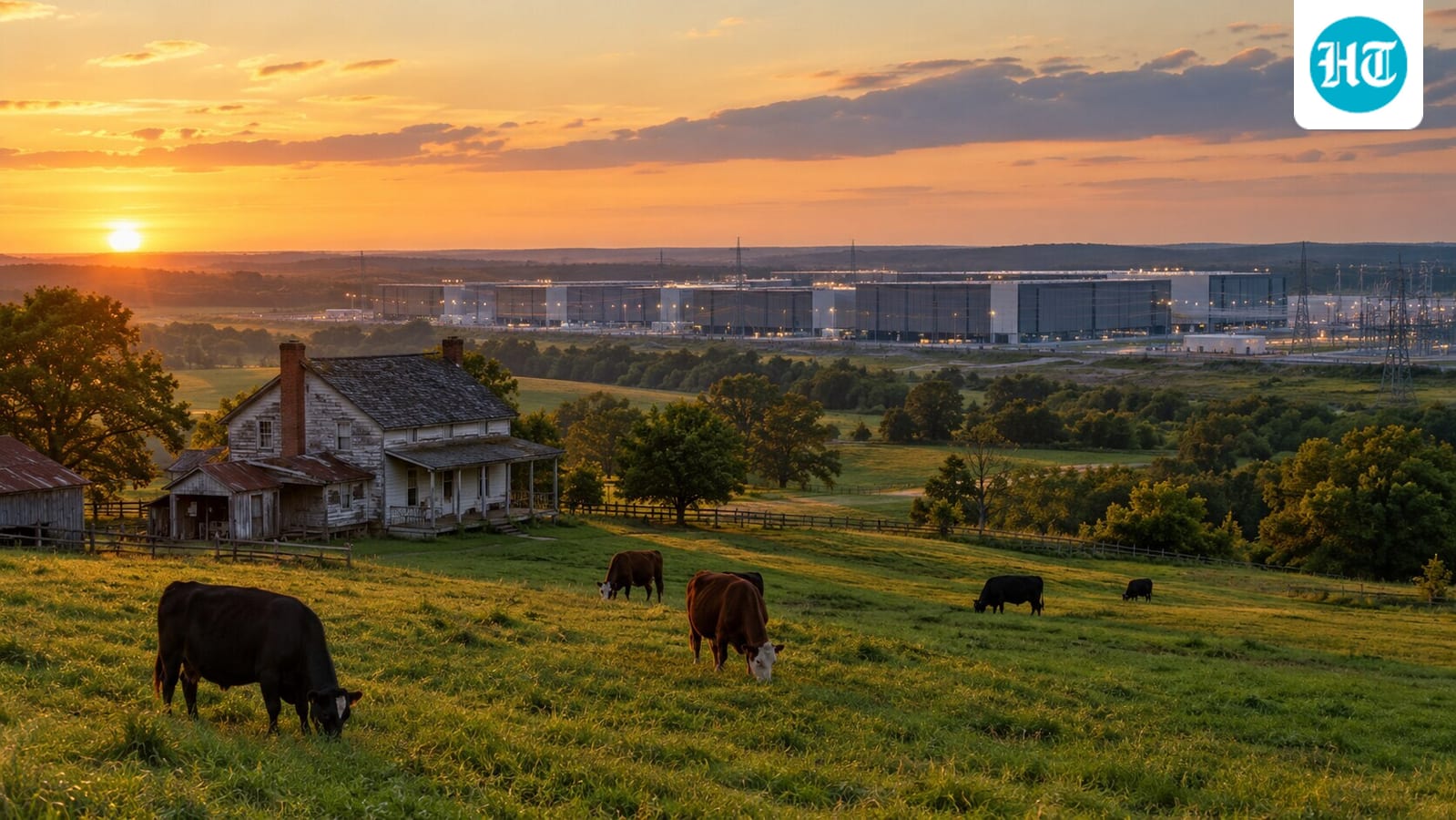
A Kentucky family rejected a $26 million offer from developers seeking to build an AI data center on their farmland. The owners cited deep emotional ties and a commitment to generational stewardship as their primary reasons for refusing to sell.
The Battle for Kentucky Farmland: Stewardship vs. Industrialization
In 2025, a significant conflict emerged at the intersection of surging artificial intelligence infrastructure needs and traditional land preservation. A Kentucky family found themselves at the center of this tension when developers targeted their farmland for a massive data center project. Despite an offer reaching $26 million, the mother-daughter duo of Ida Huddleston and her daughter, Bare, made the firm decision to reject the proposal, signaling a growing pushback against the rapid industrialization of rural landscapes to serve the digital economy.
The Pressure of Development and Eminent Domain
The situation highlights the intense pressure often placed on private landowners by industrial development authorities. Bare revealed that the family initially signed a contract, driven by a palpable fear of eminent domain and the persistent, often anonymous, pressure from developers. This psychological strain is a common tactic in large-scale infrastructure acquisition, where the threat of government-backed seizure can force landowners into unfavorable agreements. The family’s subsequent effort to secure a legal release after discovering the land's intended use—an AI data center—underscores the lack of transparency often faced by communities in the path of technological expansion.
Generational Stewardship and Emotional Value
For the Huddleston family, the farm represents far more than a real estate asset; it is a repository of history and a legacy for future generations. Huddleston articulated a clear philosophy: her role is to act as a steward of the land until it can be passed to her heirs. The presence of the home built by her late husband adds a layer of irreplaceable sentimental value that no market-rate compensation could satisfy. This sentiment serves as a counter-narrative to the modern trend of commodifying rural space for the sake of global tech infrastructure.
The Broader Implications for AI Infrastructure
The demand for AI data centers is currently creating an unprecedented scramble for land with specific utility and energy requirements. As tech companies hunt for vast tracts of land to house high-density computing clusters, rural communities are increasingly finding themselves in the crosshairs. This case serves as a microcosm of the broader friction between the rapid growth of the tech sector and the preservation of agricultural heritage, suggesting that developers may face increasing resistance as their footprint expands into historically significant or family-owned regions.
Future Trends in Land Acquisition
Looking ahead, this refusal highlights a potential shift in how landowners view their assets in the face of mega-development projects. The Huddleston family’s successful stand against a $26 million offer suggests that emotional and ancestral ties to land remain a powerful barrier to industrial encroachment. As developers continue to seek locations for massive energy-intensive projects, they may find that the traditional "price tag" approach is increasingly insufficient, leading to more protracted legal battles and a potential re-evaluation of how communities engage with large-scale industrial proposals.
Verification Required?