T.N. Real Estate Regulatory Authority reconstituted; retired IAS officer Phanindra Reddy appointed chief
Source Entity
India Latest News: Top National Headlines Today & Breaking News | The Hindu
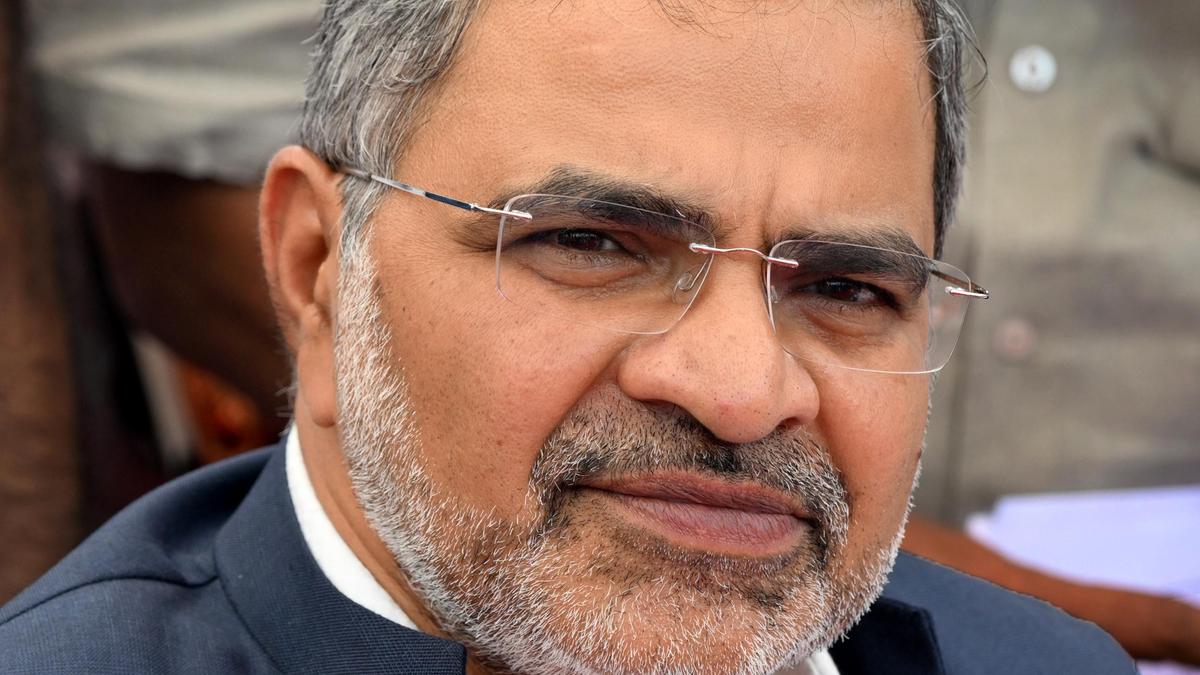
The Tamil Nadu government has reconstituted the state's Real Estate Regulatory Authority (TNRERA) by appointing retired IAS officer K. Phanindra Reddy as chairperson. The board will also feature four new members with diverse backgrounds in administration, law, and engineering.
Reconstitution of TNRERA: A Strategic Governance Shift
The Tamil Nadu government has officially announced the reconstitution of the Tamil Nadu Real Estate Regulatory Authority (TNRERA), marking a significant administrative update for the state's property sector. By appointing retired IAS officer K. Phanindra Reddy as the new chairperson, the administration signals a commitment to continuity and experienced oversight in the regulation of the real estate market.
Diversified Expertise in Regulatory Oversight
The newly appointed board reflects a multidisciplinary approach to dispute resolution and policy enforcement. Alongside Mr. Reddy, the authority includes retired IAS officers Reeta Harish Thakkar and Mythili K. Rajendran, retired district judge S. Kirubaharan Mathuram, and retired engineer-in-chief K. P. Sathyamurthy. This blend of administrative, legal, and technical expertise is vital for addressing the multifaceted nature of real estate compliance, which often involves complex legal contracts, urban planning standards, and bureaucratic oversight.
Contextualizing the Regulatory Framework
TNRERA operates under the broader mandate of the Real Estate (Regulation and Development) Act, which aims to bring transparency and accountability to property transactions. The state government’s decision to use its superseding powers under Section 82 of the Act highlights the necessity for a functional, permanent body to protect homebuyer interests and ensure project completion. Previous interim appointments, including the six-month tenure for Mr. Reddy and his former colleagues, were essentially stop-gap measures that have now been replaced by a more permanent, long-term administrative structure.
The Role of Administrative Continuity
Mr. Reddy’s transition from an interim chairperson to a formally appointed leader suggests that the government values institutional memory. By retaining key figures like Ms. Thakkar and integrating new experts, the authority aims to stabilize its operations. Consistent leadership is crucial for developers and buyers alike, as it fosters a predictable regulatory environment where project approvals and grievances are handled with standardized procedures rather than ad-hoc decision-making.
Implications for the Real Estate Sector
For the Tamil Nadu property market, this reconstitution is a critical development. An effectively functioning RERA authority is the primary check against project delays, financial irregularities, and misleading advertisements. With a full bench of members including a retired judge and an engineer-in-chief, the authority is now better equipped to handle the technical and legal complexities inherent in modern urban development projects across the state.
Future Outlook and Regulatory Trends
Looking ahead, the success of this new board will depend on its ability to clear the backlog of complaints and enforce project timelines strictly. As urbanization in Tamil Nadu continues to accelerate, the pressure on TNRERA to facilitate transparent transactions will only mount. By establishing a robust, multi-disciplinary leadership team, the state is positioning itself to handle these challenges, ensuring that the real estate sector remains a viable and safe investment avenue for the public.
Verification Required?