Petrol, Diesel Now Cheaper In India Than Dubai? What Numbers Show
Source Entity
NDTV News Search Records Found 1000
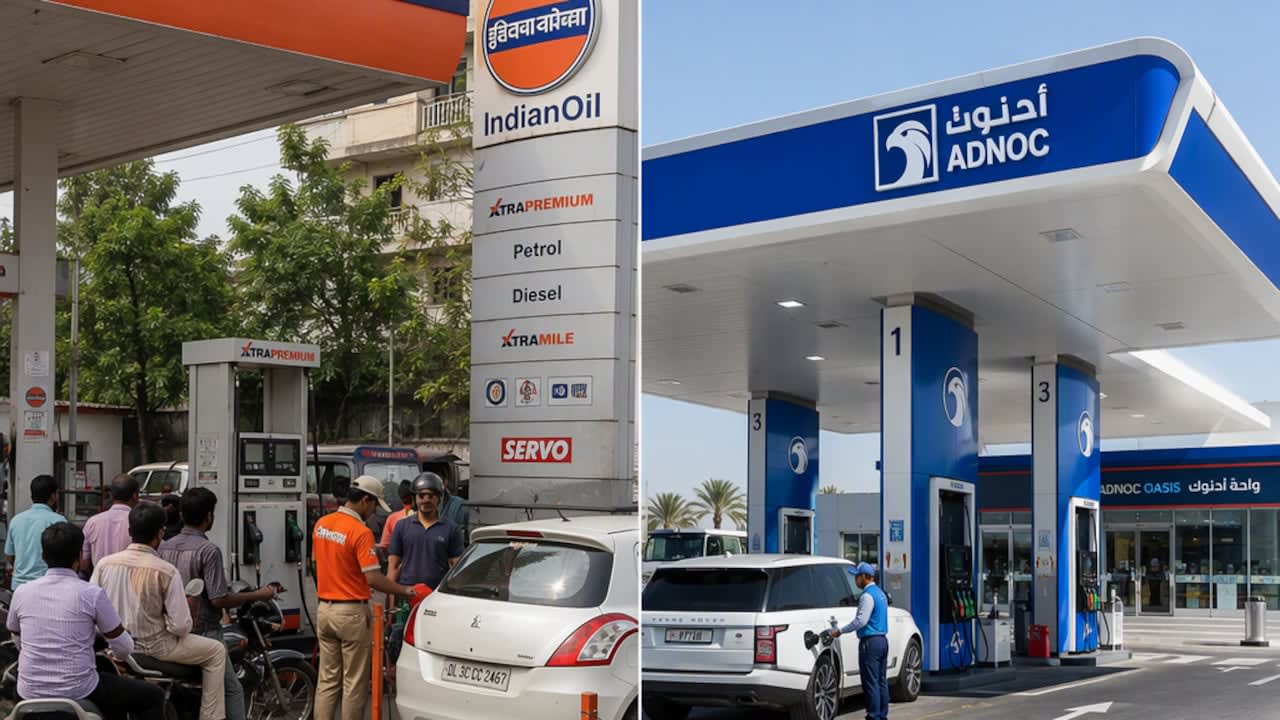
Recent data indicates that petrol prices in several major Indian cities are currently lower than the cost of Special 95 grade fuel in Dubai. This shift highlights the unique impact of local tax structures and government-regulated pricing in India compared to international market rates.
The Shifting Landscape of Fuel Pricing
Recent comparative data has surfaced a surprising economic reality: motorists in major Indian cities—specifically Delhi, Noida, Lucknow, and Chandigarh—are currently paying less for petrol than the retail price of Special 95 grade fuel in Dubai. This phenomenon serves as a striking case study in how domestic energy policies, taxation frameworks, and geopolitical positioning dictate the cost of living for the average consumer, often diverging significantly from global market trends seen in oil-rich regions like the United Arab Emirates.
The Mechanics of Indian Fuel Pricing
To understand why Indian cities are seeing lower prices than Dubai, one must analyze the complex structure of fuel pricing in India. Unlike the UAE, where fuel prices are deregulated and pegged closely to international market fluctuations, India employs a system where the central government and state administrations exert significant influence through excise duties and Value Added Tax (VAT). In cities like Delhi and Noida, these local tax adjustments allow for price stabilization that can temporarily decouple the retail price from the volatility of global crude oil benchmarks.
Dubai’s Deregulated Market Model
Conversely, Dubai operates on a fully deregulated fuel market. The price of Special 95 grade petrol in the UAE is adjusted monthly by a committee based on global oil price trends. While the UAE is a major oil producer, its domestic retail price is designed to reflect the true cost of production, refining, and distribution on the global stage. This means that when global oil prices rise, UAE consumers feel the impact almost immediately, whereas Indian consumers benefit from the administrative 'cushion' provided by government intervention.
Regional Disparities and Economic Implications
It is important to note that this lower price point is not uniform across all of India. The cost of fuel varies significantly between states due to the differing VAT rates applied by state governments. The fact that Delhi, Noida, Lucknow, and Chandigarh are specifically noted suggests a strategic alignment of local taxes in these regions that keeps prices competitive. This regional variance creates a complex economic environment where transportation costs—and by extension, the price of goods—can fluctuate significantly based on geography.
Future Trends and Sustainability
As the global energy sector transitions toward renewable sources, the reliance on petrol and diesel remains a significant fiscal challenge for both India and the UAE. For India, maintaining lower fuel prices is a delicate balancing act between supporting the transport sector and managing the fiscal deficit. As the nation pushes for greater EV adoption and alternative fuels, the current pricing model may evolve, but for now, the data confirms that Indian motorists are experiencing a period of relative relief compared to their counterparts in the UAE.
Conclusion
In summary, the observation that petrol is cheaper in several Indian cities than in Dubai is a testament to the power of domestic fiscal policy over international market dynamics. While the UAE’s model prioritizes market accuracy, India’s model prioritizes price stability for the consumer. This comparative insight underscores the importance of understanding local tax structures when evaluating the real cost of energy in a globalized economy.
Verification Required?