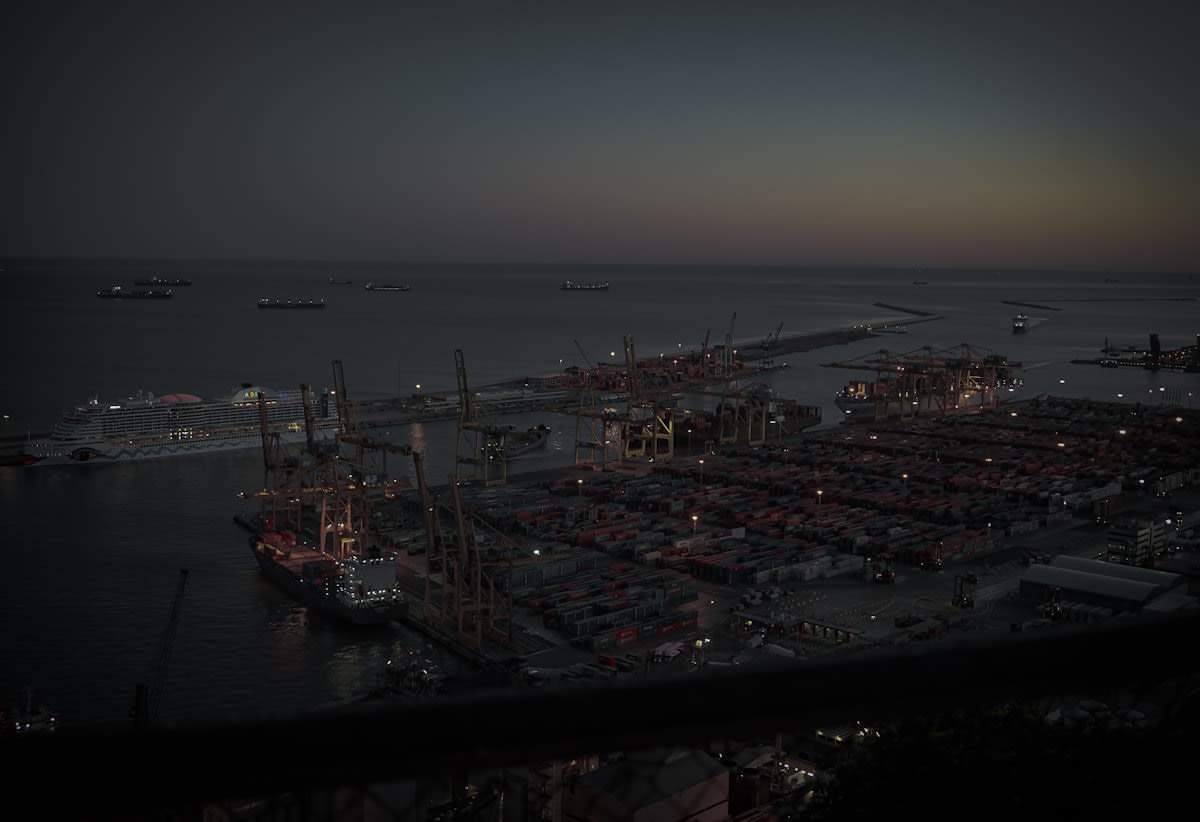
The modern supply chain is designed to be invisible. For decades, the gold standard of efficiency has been the removal of buffers, the elimination of waste, and the pursuit of a frictionless flow of goods. But when the system breaks, it does not break gracefully. In the UK, pharmacists are currently managing the fallout of a pharmaceutical supply chain that has been engineered for fragility. This is not a series of unfortunate accidents but the predictable result of how medicines are designed, governed, and incentivized from the earliest human studies through to routine NHS care. When discovery and outsourcing are optimized solely for cost, the result is a structural fragility that leaves those at the sharp end of the delivery chain with zero visibility into why the supply has failed.
Does the pursuit of efficiency actually create a more resilient world, or does it simply hide the risk until it is too late to react? The answer lies in the physical and digital arteries of global trade. The International Telecommunication Union (ITU) recently highlighted a critical blind spot: the vulnerability of subsea cables, particularly in developing countries. These cables are the invisible backbone of the global economy, yet they are increasingly susceptible to climate change and physical outages. The ITU's advisory body on subsea cable resilience now urges a proactive approach to mitigate these risks, emphasizing that the current lack of route diversity and redundancy makes the digital economy a house of cards.

This fragility is not limited to data. In the physical realm, the Strait of Hormuz serves as a brutal reminder of how a single point of failure can paralyze global energy markets. The recent volatility surrounding this route, including the threat of a 20 percent fee on cargo, underscores the precariousness of maritime law in the face of political volatility. While such fees were eventually backtracked in favor of trade deals, the mere proposal sent shockwaves through shipping firms. The closure of the Strait has already caused fuel prices to soar, funnelling tens of billions of dollars into war efforts and proving that the Just-in-Time model cannot account for the sudden imposition of geopolitical tolls.
The Efficiency Paradox
The obsession with lean operations has replaced resilience with a fragile dependency on stability. When stability vanishes, the cost of the 'efficient' system is paid in fuel spikes and medication shortages.
Nowhere is the failure of formal logistics more evident than in the war economy of Sudan. Here, trade is not about efficiency or customer satisfaction; it is about the control of territory, commodities, and trade routes to fund military operations. The United Nations' OHCHR has noted that warring factions profit directly from this control, creating a self-perpetuating conflict. In this environment, the traditional laws of global trade are replaced by a predatory value chain. This is the ultimate antithesis of the frictionless global market: a system where the logistics of survival and war outweigh the logistics of commerce.
Why do we continue to build systems that assume the world will remain peaceful and the climate stable? The current regulatory environment in the United States suggests a deep disconnect between policy and reality. The legal battle over Section 122 tariffs, which imposed a 10 percent tax, reveals a government struggling to manage its own trade mechanisms. When the federal trade court has to order the head of U.S. Customs and Border Protection to explain why so few refunds are being issued, it proves that the administrative machinery of trade is just as fragile as the physical supply chains it regulates.
| Risk Vector | Impacted Region | Specific Trigger | Resulting Fragility |
|---|---|---|---|
| Subsea Infrastructure | Developing Countries | Climate Change / Outages | Digital Isolation |
| Maritime Chokepoints | Strait of Hormuz | 20% Proposed Fee / Closure | Fuel Price Spikes |
| Commodity Control | Sudan | War Economy | Self-Perpetuating Conflict |
| Regulatory Policy | USA / Global | Section 122 10% Tariffs | Administrative Refund Failures |
| Supply Chain Design | UK Pharmacy | Outsourcing / Governance | Structural Medicine Shortages |
There are, however, signals of a correction. In Vietnam, the logistics provider SITC is actively building the buffers that the Just-in-Time model tried to erase. By launching a new container depot in Da Nang, SITC has expanded its network to five depots covering approximately 450,000 square meters. This is a deliberate move to fill network gaps and enhance end-to-end logistics capacity. By investing in 36,000 square meters of operational area in central Vietnam, they are prioritizing regional cargo turnover efficiency and supply chain resilience over the leanest possible inventory.
This shift toward regional hubs and increased storage is a tacit admission that the globalized, single-source model is failing. When SITC builds depots to 'fill the network gap,' they are essentially admitting that the gaps were always there, merely hidden by a period of unusual geopolitical calm. The move toward geographical diversity in cable networks, as recommended by the ITU, follows the same logic. Redundancy is no longer a waste of capital; it is a requirement for survival in an era of climate instability and political fragmentation.
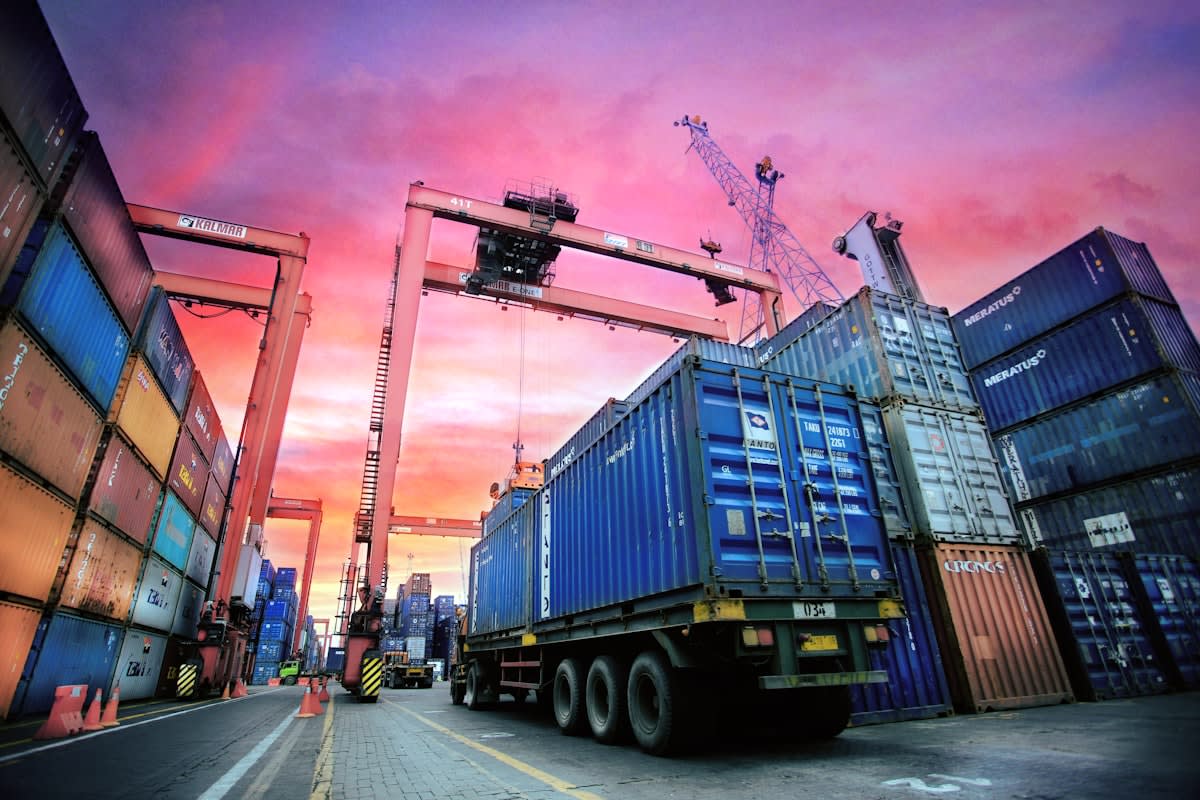
The cost of ignoring these flaws is staggering. In the Middle East, the threat of a 20 percent fee on the Strait of Hormuz demonstrated how quickly a theoretical policy can become a global economic threat. When shipping firms and global organizations had to argue against such a fee based on maritime law, it exposed the fact that the global trade order is held together by a fragile consensus rather than robust infrastructure. If the rules of international waters can be challenged by a single administration's proposal, the stability required for JIT logistics is an illusion.
"These problems are not inevitable — they are the predictable result of how we design, govern and incentivise pharmaceutical supply chains."— Author of Transforming the Pharmaceutical Supply Chain
If we examine the data, the pattern is clear: wherever the system is leanest, the failure is most acute. The UK pharmaceutical crisis, the subsea cable outages in developing nations, and the fuel spikes from Hormuz closures all stem from the same root cause: the removal of slack. Slack is often viewed as inefficiency by accountants, but in the real world, slack is what prevents a local disruption from becoming a global catastrophe. Without it, a 10 percent tariff or a cable break becomes a systemic failure.
The current trajectory suggests that the future of trade will not be found in further optimization, but in strategic redundancy. Whether it is the ITU calling for greater route diversity or SITC expanding its Vietnamese footprint, the goal is the same: the creation of buffers. The war economy in Sudan shows us what happens when trade routes are weaponized; the goal for the rest of the world must be to ensure that no single route, cable, or regulatory decision can hold the global economy hostage.
We must ask ourselves if the marginal gains of a lean supply chain are worth the catastrophic risks of its failure. The evidence from the last few years suggests they are not. When the administrative process for tariff refunds fails in the US, or when medications vanish from UK shelves, we are seeing the ghost of the Just-in-Time era. The only way forward is a clinical reassessment of what 'efficiency' actually means. True efficiency is not the absence of waste, but the presence of resilience.