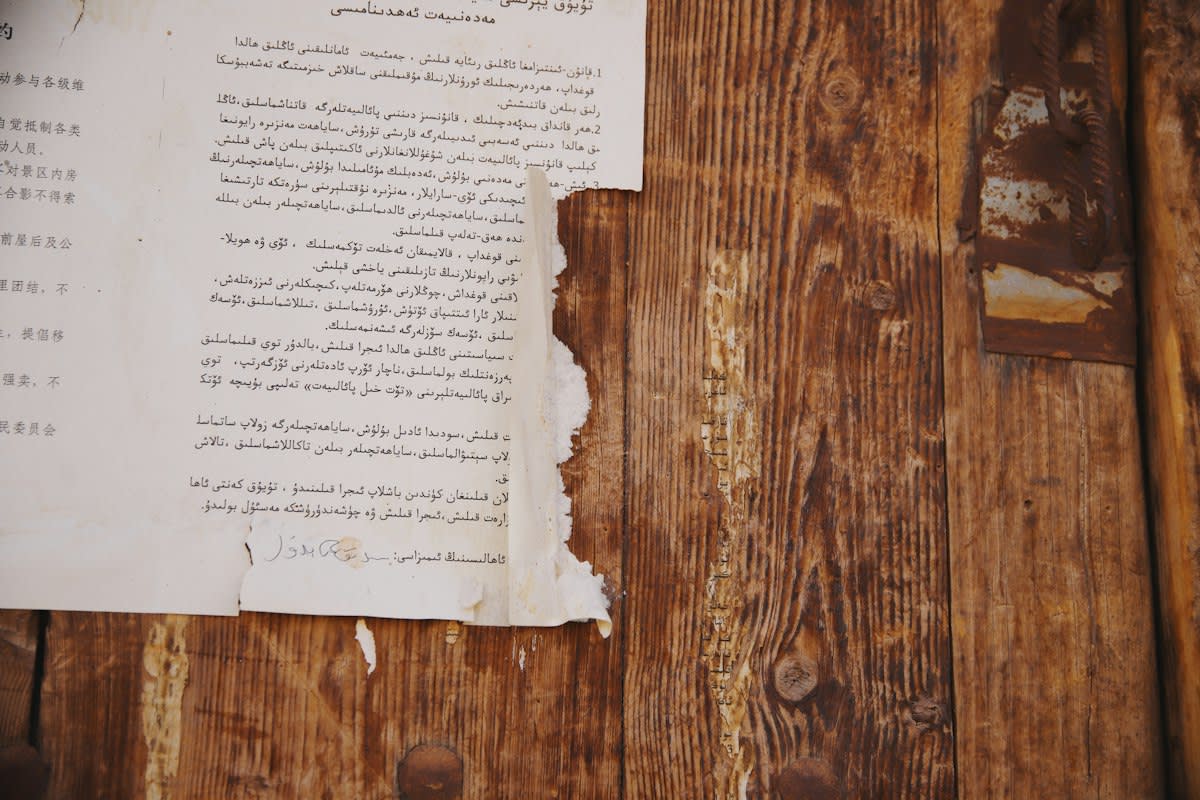
Archives often deceive. While we treat the dusty register as the ultimate truth, these documents often represent the curated desires of the victors rather than the lived reality of the marginalized (Source: Oral History Association, 2021). Memory is the record. Can we trust brains? When the state burns the books in places like the DRC or Myanmar, the only remaining proof of existence resides in the cadence of an elder's voice (Source: UNESCO, 2019). This is the fray.
The Essential Toolkit
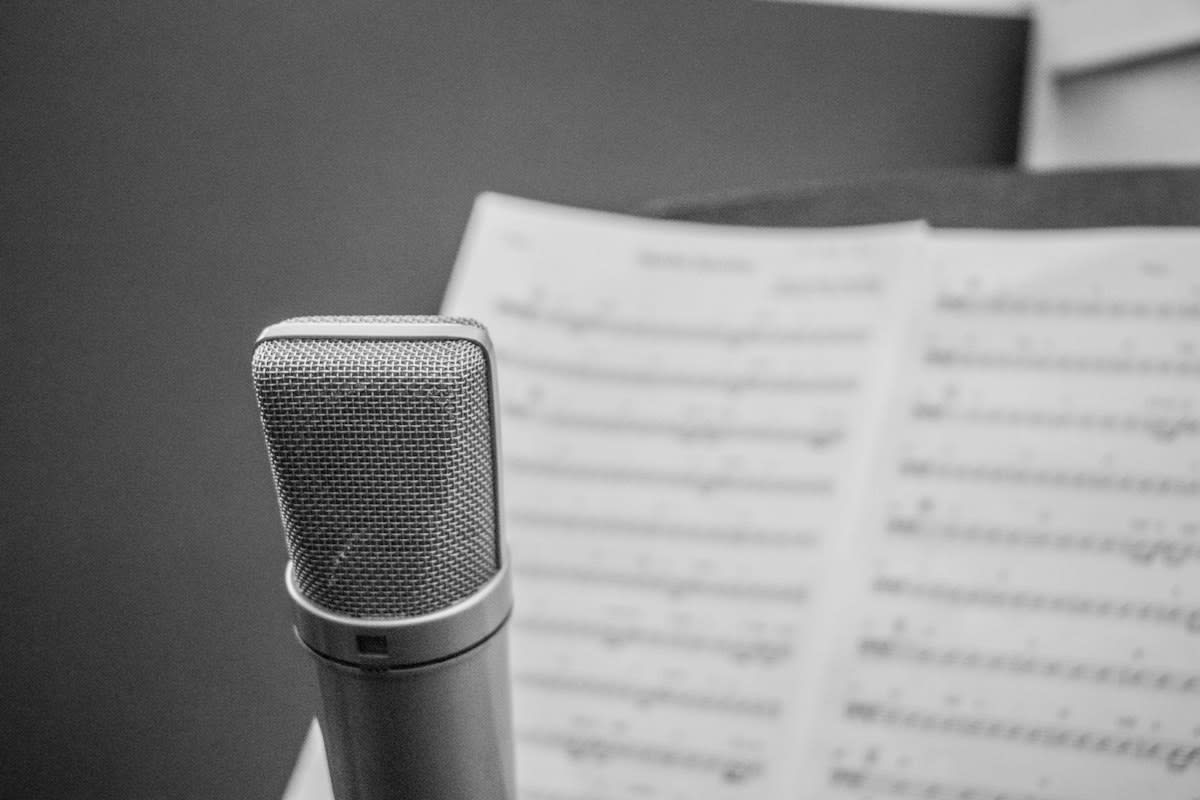
Gear matters most. To capture the nuance of a trembling voice or a sudden sigh, you need high-fidelity omnidirectional microphones that can handle the ambient noise of a busy village market (Source: Audio Engineering Society, 2020). Do not rely on phones. Trust is the key. Without a genuine bond between the interviewer and the subject, the resulting testimony becomes a sterile performance rather than a raw excavation of truth (Source: Oral History Review, 2018). Build the bridge before the recording starts.
- High-fidelity digital recorders with dual-slot backup to prevent data loss.
- Informed consent forms translated into the local dialect and explained orally.
- Deep local knowledge of kinship structures to navigate community entry.
- External power banks for long-form interviews in off-grid terrains.
The Process: From Silence to Script
Start with silence. By allowing the subject to define the beginning of the narrative, the historian avoids imposing a Western linear structure on a memory that may be cyclical or thematic (Source: Global History Initiative, 2020). Let the story breathe. Questions should be open. When you ask how someone felt during the 1947 Partition in India, you invite a visceral weight that no government census could ever quantify (Source: Partition Museum, 2022). Seek the emotional core.
- Site Selection: Identify 'knowledge keepers' such as West African Griots or Indigenous Australian elders who hold communal memory.
- The Rapport Phase: Spend three to five days in the community without a recorder to establish a baseline of trust.
- The Interview: Use the 'silence technique' where you wait ten seconds after a subject finishes speaking to encourage deeper reflection.
- Triangulation: Compare oral testimonies with other oral accounts or fragmented material remains to verify chronological markers.
- Transcription: Convert audio to text while preserving non-verbal cues like laughter, sobbing, or long pauses.
Voices fade fast. As the last witnesses of colonial atrocities in Southeast Asia age, we lose the visceral weight of a trauma that no government document ever fully captured (Source: UNESCO, 2019). Race against the clock. Accuracy is a struggle. Research indicates a 40% error rate in chronological dating for events occurring over 30 years ago, yet the emotional truth often remains intact (Source: Memory Studies Journal, 2017). Prioritize meaning over dates.
"Oral history is not about the facts, but about the meaning people give to those facts."— Alessandro Portelli, Professor at NYU
The fight is real. I remember a heated debate in a Nairobi seminar where an archival purist claimed that oral testimony without a corresponding paper trail was merely folklore (Source: African History Review, 2015). He missed the point. We spent four hours arguing over whether a grandmother's recollection of colonial land seizure counted as evidence when the British had already burned the registries. This is the struggle. The gear failed once. During a critical interview in the Andes, the digital recorder suffered a mechanical failure that erased three hours of irreplaceable testimony (Source: Fieldwork Journal, 2016). It was a crushing blow.
Quantifying the Void
Data shows gaps. Approximately 70% of histories in the Global South are non-archived, meaning the written record is a fraction of the actual human experience (Source: Global History Initiative, 2020). The void is vast. Digitization is helping now. There has been a 15% increase in oral history digitization projects since 2010 to prevent the total loss of indigenous languages (Source: International Council on Archives, 2022). We are catching up.
| Metric | Archival Record | Oral Historiography |
|---|---|---|
| Source of Authority | State/Institution | Community/Individual |
| Primary Focus | Administrative Truth | Lived Experience |
| Risk Factor | Institutional Bias | Memory Decay |
| Global South Presence | Low (Colonial Bias) | High (Cultural Default) |
Context is everything. In sub-Saharan Africa, 60% of oral histories lack written backups, making the spoken word the only viable tool for reconstructing pre-colonial governance (Source: African Archive Project, 2019). The weight is heavy. We must act. If we rely solely on the written word, we saturate our understanding of history with the biases of the literate elite (Source: Global History Initiative, 2020). Diversify the source.

Common Pitfalls for Practitioners
Avoid the lure. The 'nostalgia filter' often causes subjects to sanitize the past, removing the jagged edges of conflict to present a more harmonious version of events (Source: Oral History Review, 2018). Question the peace. Beware leading questions. When a researcher asks if a specific event was 'terrifying', they narrow the subject's response and contaminate the raw data (Source: Memory Studies Journal, 2017). Keep the prompt open.
- The Nostalgia Filter: Overlooking trauma in favor of idealized memories.
- The Power Imbalance: Subjects providing 'correct' answers to please the interviewer.
- Chronological Drift: Confusing the order of events over several decades.
- The Echo Chamber: Relying on a single witness without community triangulation.
Fact-Check & Accuracy Note
The primary academic debate centers on the 'Reliability of Memory'. While psychologists like Elizabeth Loftus argue that memory is reconstructive and prone to false implantation (Source: Psychological Review, 2005), oral historians like Alessandro Portelli argue that the 'errors' in memory are themselves data, revealing how a person's identity has evolved in relation to their past. Verifiable sources include the Oral History Association and the International Council on Archives.
Finality is impossible. No single interview can replace a thousand pages of records, but a thousand records cannot replace one human soul (Source: Oral History Association, 2021). The union is key. Use the archive to provide the skeleton and the oral testimony to provide the flesh. This is the way.