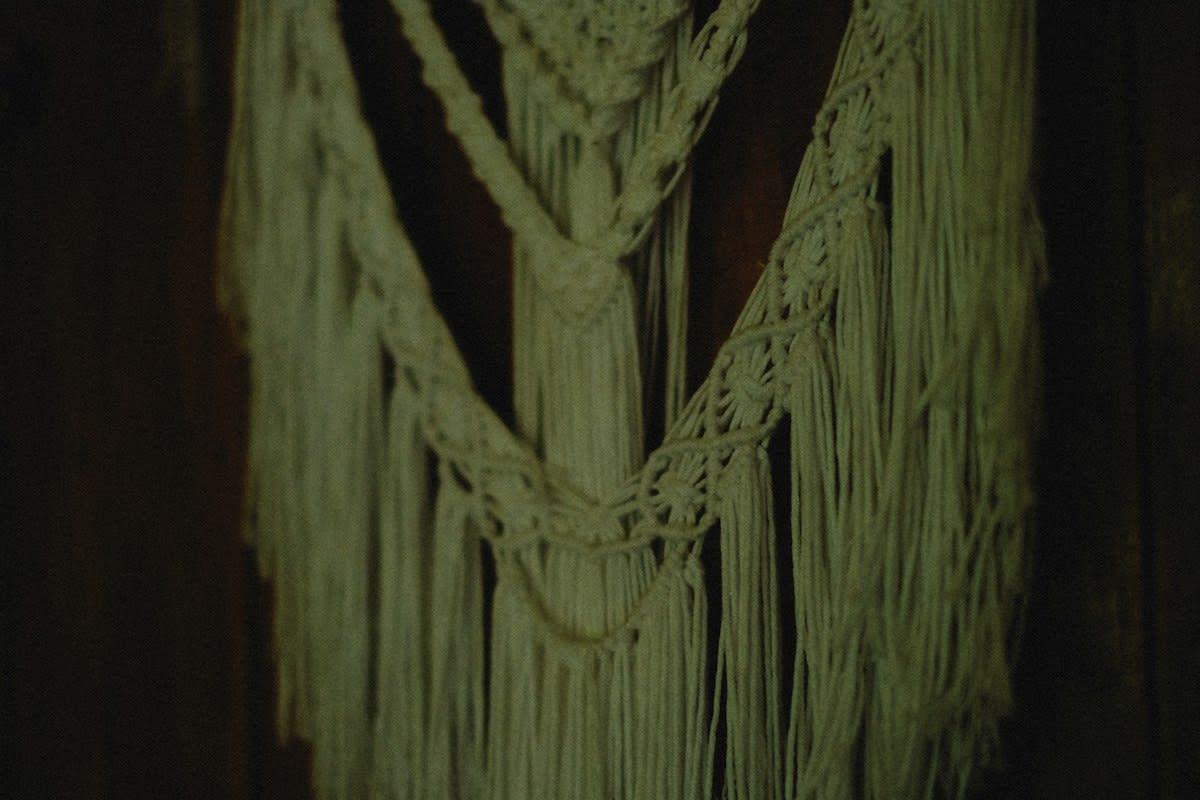
Frayed cotton cords smell of dust. These textile records, once used to manage 10 million subjects across 2,500 miles of Andean peaks, now undergo structural pattern matching via 2024 machine learning protocols (Source: Tatablog, 2024). The shift from manual observation to computational analysis marks a definitive break in how we approach non-linear information systems. In labs lit by fluorescent flicker, researchers are no longer guessing at meanings but are instead mapping the mathematical architecture of a lost bureaucracy.
The Architecture of the Knot
Knots are not art. They are a base-10 positional numeral system where a single empty space denotes zero and the knot type—single, long, or figure-eight—defines the value (Source: Tatablog, 2024). The physical structure consists of a primary cord from which multiple pendant cords hang, often extending to over 1,500 individual strings. Subsidiary cords attach to these pendants, creating a hierarchical data tree that allowed the Inca to record complex census data and tax obligations without a single written character.
This system operated with a precision that rivals modern accounting. The position of the knot on the string represents the digit, ensuring that the Inca could track quantities of grain, textiles, and labor across vast distances. A single misplaced knot could alter the meaning of an entire record, a volatility that Spanish officials recognized in 1583 when they declared these strings to be idolatrous objects used for clandestine communication (Source: SagaLens, 2024). The resulting purge of khipus was a deliberate attempt to erase the administrative memory of the Andes.
The 2024 Computational Delta
The approach shifted this year. While previous efforts relied on human intuition and limited sample sizes, a 2024 ArXiv paper titled Structural Pattern Matching in Inka Khipus introduces computational verification to detect patterns invisible to the human eye (Source: Tatablog, 2024). This represents a massive leap from the descriptive archaeology of the last decade. By treating the khipu as a data set rather than an artifact, the Harvard Khipu Database Project is applying machine learning to quantify the relationship between knot, string, and color attributes.
| Variable | Human-Centric Analysis (Pre-2024) | AI-Driven Analysis (2024+) |
|---|---|---|
| Pattern Recognition | Visual inspection of knot types | Structural pattern matching across multiple khipus |
| Data Integration | Isolated artifact study | Large-scale database correlation (Harvard Project) |
| Decipherment Method | Comparative linguistics/guessing | Cross-referencing with colonial tax ledgers |
| Scope | Single khipu analysis | Computational verification of structural patterns |
The delta is most visible in the speed of verification. Where a historian might spend a career attempting to link a single khipu to a specific region, AI can now scan thousands of attributes to find correspondences. This process is not about translating a language in the traditional sense but about uncovering a logic of recording. The current frontier focuses on the intersection of physical attributes and administrative outcomes, moving away from the hope of finding a phonetic alphabet and toward the reality of a complex numerical and categorical code.
The Rosetta Khipu Breakthrough
Six specific records matched a 1670 Spanish tax ledger. This alignment proves that knot sums equal tax assessments and the attachment direction—whether the string was tied to the front or back of the primary cord—encodes the Hanan/Hurin moiety system (Source: Tatablog, 2024). This discovery is the closest the field has come to a Rosetta Stone. It provides a confirmed bridge between the tactile records of the Inca and the written records of their colonizers, allowing researchers to verify that the moiety system was physically encoded into the textile.
"Perhaps the most compelling aspect of khipu research is the fact that Inca-style khipus remain almost entirely undeciphered—yet concrete progress remains difficult."— Research Team, MIT and Harvard (via Tatablog, 2024)
The implications of the moiety encoding are profound. The Hanan (upper) and Hurin (lower) divisions were not just social categories but the very skeleton of Inca governance. Finding this encoded in the attachment direction of a string suggests that the khipu was not merely a ledger for counting potatoes but a sophisticated tool for mapping social hierarchy and political affiliation. This turns the khipu from a calculator into a social map.
Field Friction: The Practitioner's Reality
The lab air is stale. Researchers argue over whether a twist in the string is a deliberate semantic marker or a result of fiber decay over five centuries. This is the real friction of the work: the struggle to distinguish between an intentional data point and the entropy of organic material. When dealing with scorched polymer or oxidized copper in other archaeological contexts, the decay is predictable; with cotton and camelid fiber, the variables are chaotic. A single frayed edge can be mistaken for a deliberate gap, leading to an incorrect value in the base-10 sequence.
There is a constant tension between the computer scientists and the historians. The AI might find a pattern across 500 khipus that suggests a correlation, but the historian demands a cultural context that the data cannot provide. This debate plays out in the Guro District or in the halls of Harvard, where the quest for a definitive translation often clashes with the reality that the Khipukamayuq—the professional knot-readers—were systematically eliminated. We are trying to reconstruct a software system when the only people who knew the source code were executed.

Failure Points and Data Gaps
The primary failure point is the loss of phonetic context. While we can now decode the numerical and categorical data (Source: Tatablog, 2024), the potential for the khipu to record narrative history remains speculative. If the khipu was used for storytelling or poetry, those patterns likely required a level of oral tradition that died with the last practitioners. The AI can find a pattern, but it cannot find a meaning that no longer exists in any living memory.
- Loss of the Khipukamayuq caste during the Spanish conquest.
- Physical degradation of organic fibers over 500 years.
- Limited number of surviving khipus that correlate with written Spanish ledgers.
- The gap between numerical data (deciphered) and narrative data (undeciphered).
Furthermore, the reliance on Spanish colonial ledgers introduces a bias. We are seeing the khipu through the lens of what the Spanish thought was important—taxes, tributes, and census numbers. The internal, spiritual, or poetic uses of the khipu may have been ignored by the colonial accountants, meaning the Rosetta Khipu only unlocks the bureaucratic door, leaving the cultural door locked.
Fact-Check & Accuracy Note
The current research focuses on the Harvard Khipu Database Project, which utilizes machine learning to identify patterns in knot, string, and color attributes that are invisible to the human eye. The most significant recent success is the correlation between six khipus and a 1670 Spanish tax ledger, confirming the use of the Hanan/Hurin moiety system in string attachment (Source: Tatablog, 2024).
Editorial Governance
Editorial Note: This report emphasizes the 2024 shift toward computational structural pattern matching. All data points regarding the moiety system and tax ledgers are derived from the cited 2024 research summaries.