‘Halal’ jaggery row: Ensure worship materials for Sabarimala conform to religious customs, says HC
Source Entity
Ananthakrishnan G
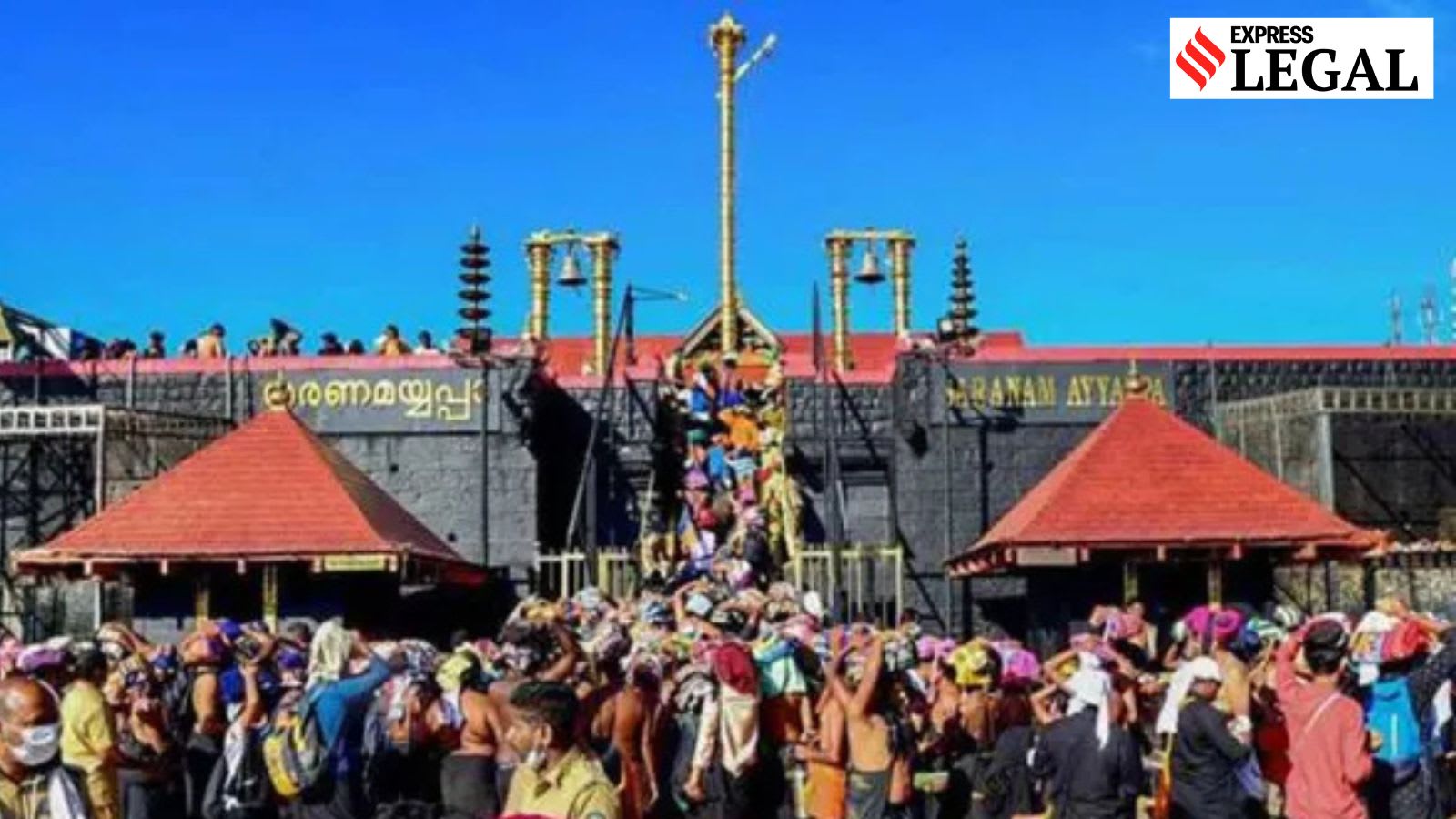
The Kerala High Court is actively overseeing religious and infrastructure management in Kerala, addressing Waqf board representation and Sabarimala pilgrimage logistics. Recent directives focus on ensuring legal compliance for board membership and maintaining the sanctity and safety of temple offerings and facilities.
Judicial Oversight of Religious and Administrative Governance in Kerala
Recent developments in the Kerala High Court underscore the judiciary's pivotal role in mediating the intersection of administrative governance, religious customs, and public infrastructure. Through a series of directives, the court has intervened in matters concerning the equitable representation of Islamic sects within the Waqf board and the preservation of traditional practices and safety standards at the Sabarimala hill shrine.
Waqf Board Representation and Legal Compliance
The Kerala State government has formally informed the High Court that it is in the process of ensuring adequate representation for Shia and Sunni members on the Kerala State Waqf Board. This initiative is designed to align with the mandates set forth in the United Waqf Management, Empowerment, Efficiency and Development Act, 2025. By committing to a two-week timeline, the government aims to resolve disputes regarding the proportional representation of these sects and the valuation of their respective Auqaf, addressing concerns raised by petitioners including the Aal-E-Rasool Foundation and political figures.
Protecting Religious Customs at Sabarimala
Parallel to these administrative reforms, the court has addressed the contentious issue of 'halal-certified' jaggery used in the production of prasadam at the Sabarimala temple. Responding to a petition by the Sabarimala Karma Samithi, the bench directed the Travancore Devaswom Board to exercise heightened caution. The court’s mandate emphasizes that all materials procured for offerings must strictly adhere to both quality standards and the specific religious customs associated with the deity, reflecting the court's role in upholding the traditional sanctity of the shrine.
Infrastructure Safety and Pilgrimage Readiness
Beyond spiritual and administrative governance, the judiciary has prioritized the physical safety of pilgrimage infrastructure. The High Court has issued a directive for the urgent structural assessment of water booster stations supplying Sabarimala. Recognizing the critical need for an uninterrupted water supply during the pilgrimage season, the court has mandated that the state government identify and execute necessary repairs expeditiously, ensuring that the facility remains functional for the influx of devotees.
Broader Implications and Future Trends
These interventions highlight a trend where the Kerala High Court acts as a primary arbiter for complex socio-religious management. By balancing statutory requirements, such as the 2025 Waqf Act, with the protection of long-standing temple traditions, the court serves as a stabilizer in a state where religious administration is often subject to intense public and political scrutiny. Moving forward, it is likely that the judiciary will continue to play an active role in auditing the operational efficiency of religious boards to prevent litigation and ensure public trust.
Conclusion
The ongoing judicial oversight in Kerala serves as a critical mechanism for ensuring that religious institutions operate within the bounds of both law and tradition. Whether through the regulation of board memberships or the maintenance of essential infrastructure for pilgrims, the High Court remains the central authority ensuring that administrative actions do not inadvertently disrupt the social or religious harmony of the state.