India’s elderly women need better social security cover
Source Entity
Latest News: Todays Latest News Headlines from India & World | Hindustan Times | Hindustan Times
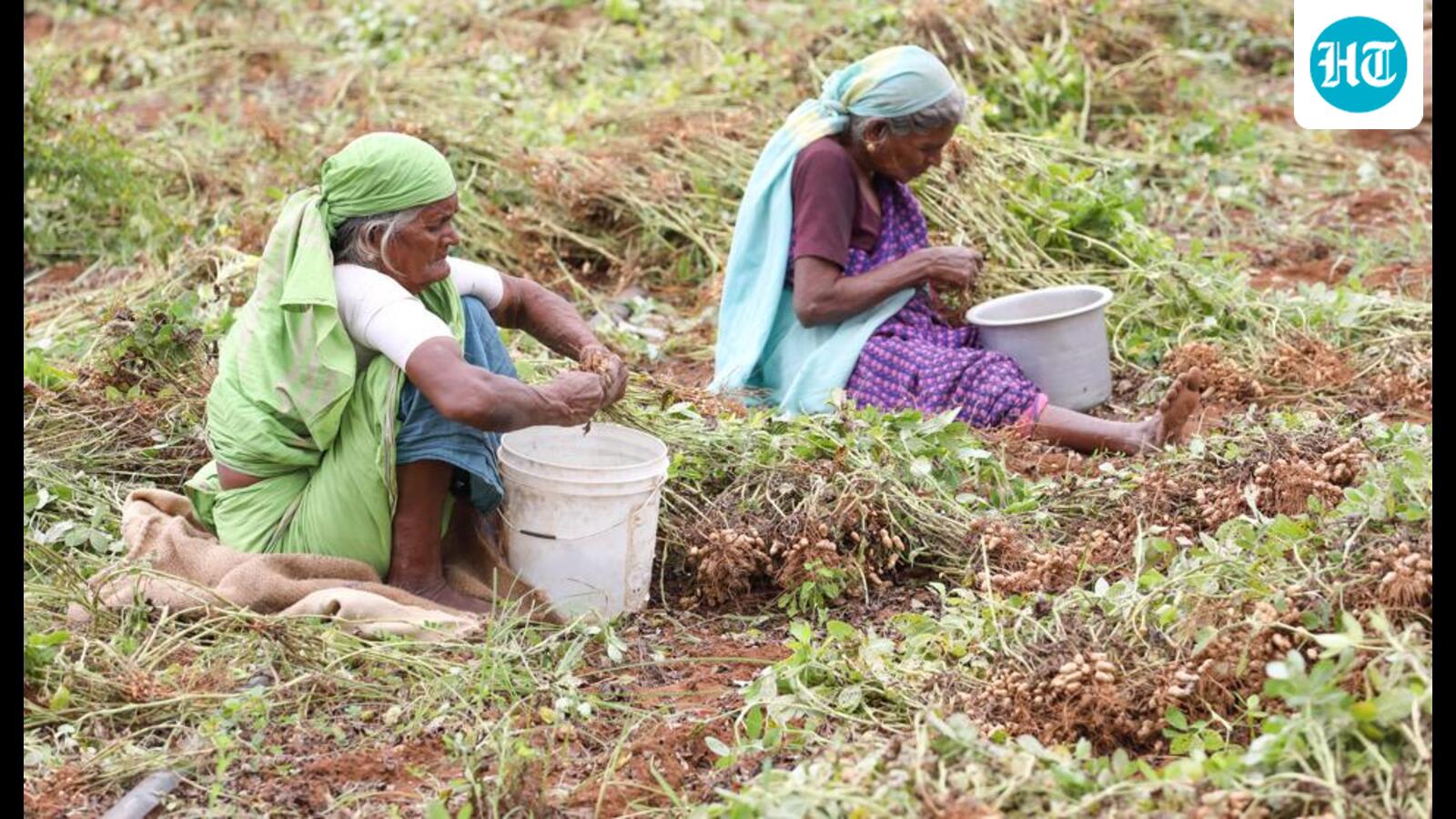
India is facing a significant 'feminisation of ageing' as the elderly population grows, yet policy frameworks largely overlook the specific social security needs of older women. Addressing this demographic shift is essential to mitigate poverty and recognize the economic contributions of women in their later years.
The Silent Crisis: Addressing the Feminisation of Ageing in India
India is currently navigating a profound demographic transition that threatens to reshape its socioeconomic landscape. As the population ages, the discourse has historically remained tethered to maternal health, nutrition, and girl-child education. However, the rapidly rising cohort of elderly citizens—now 10.5% of the population and projected to hit 20.8% by 2050—demands a pivot toward comprehensive social security. This shift is not merely a quantitative increase in the elderly population but a qualitative change characterized by the 'feminisation of ageing,' where women increasingly outnumber men.
The Statistical Reality of Demographic Shifts
According to the India Ageing Report, the gender gap in later life is stark. With 1,065 elderly women for every 1,000 elderly men, women face a distinct set of challenges related to longevity. The data indicates that 54% of elderly women outlive their partners, a figure that dwarfs the 16% of men who find themselves in similar circumstances. This urban-rural divide—with urban areas seeing a ratio of 1,084 women per 1,000 men—suggests that migration patterns and access to healthcare infrastructure may be creating pockets of vulnerability that require targeted policy intervention rather than blanket demographic strategies.
Economic Contributions and Unpaid Labor
One of the most significant oversights in current policy discourse is the failure to quantify and support the economic contributions of older women. These women are not passive dependents; they provide immense value through both paid and unpaid care work, sustaining family units and local economies. Despite this, their lack of formal social protection leaves them susceptible to poverty and destitution. By failing to integrate these women into formal social security nets, the state risks marginalizing a demographic that is fundamental to the stability of the Indian household.
Policy Implications and Structural Gaps
To address this challenge, India must move beyond viewing the elderly as a monolithic group. Current frameworks lack the nuance to address the specific intersectional vulnerabilities faced by women who have spent their lives in unpaid labor roles, often resulting in zero personal savings or pension access. As the nation approaches the International Day for Older Persons on October 1, the rhetoric must shift from general welfare to specific legislative protections that account for the longer life expectancy of women and their higher risk of widowhood.
Future Trends and Strategic Recommendations
Looking toward 2050, the sustainability of India's development model will depend on how effectively it manages this demographic bulge. If the feminisation of ageing is ignored, the resulting poverty could place an unsustainable strain on public healthcare and social welfare systems. Future trends suggest that without policy reform, the economic independence of elderly women will continue to decline. Policymakers must prioritize gender-disaggregated data to craft social security schemes that provide direct financial support, healthcare access, and legal protections tailored to the realities of older women.
Conclusion
The ageing of India’s population is a defining challenge of the 21st century. By acknowledging the unique position of elderly women—who outlive their spouses and sustain the economy through vital care work—India can develop a more resilient social infrastructure. Addressing the 'feminisation of ageing' is not just a moral imperative but a pragmatic necessity for long-term national development.
Verification Required?