‘Professional jealousy… he has no business’: Former Rajasthan acting Chief Justice breaks silence on claims by Supreme Court judge
Source Entity
Hamza Khan
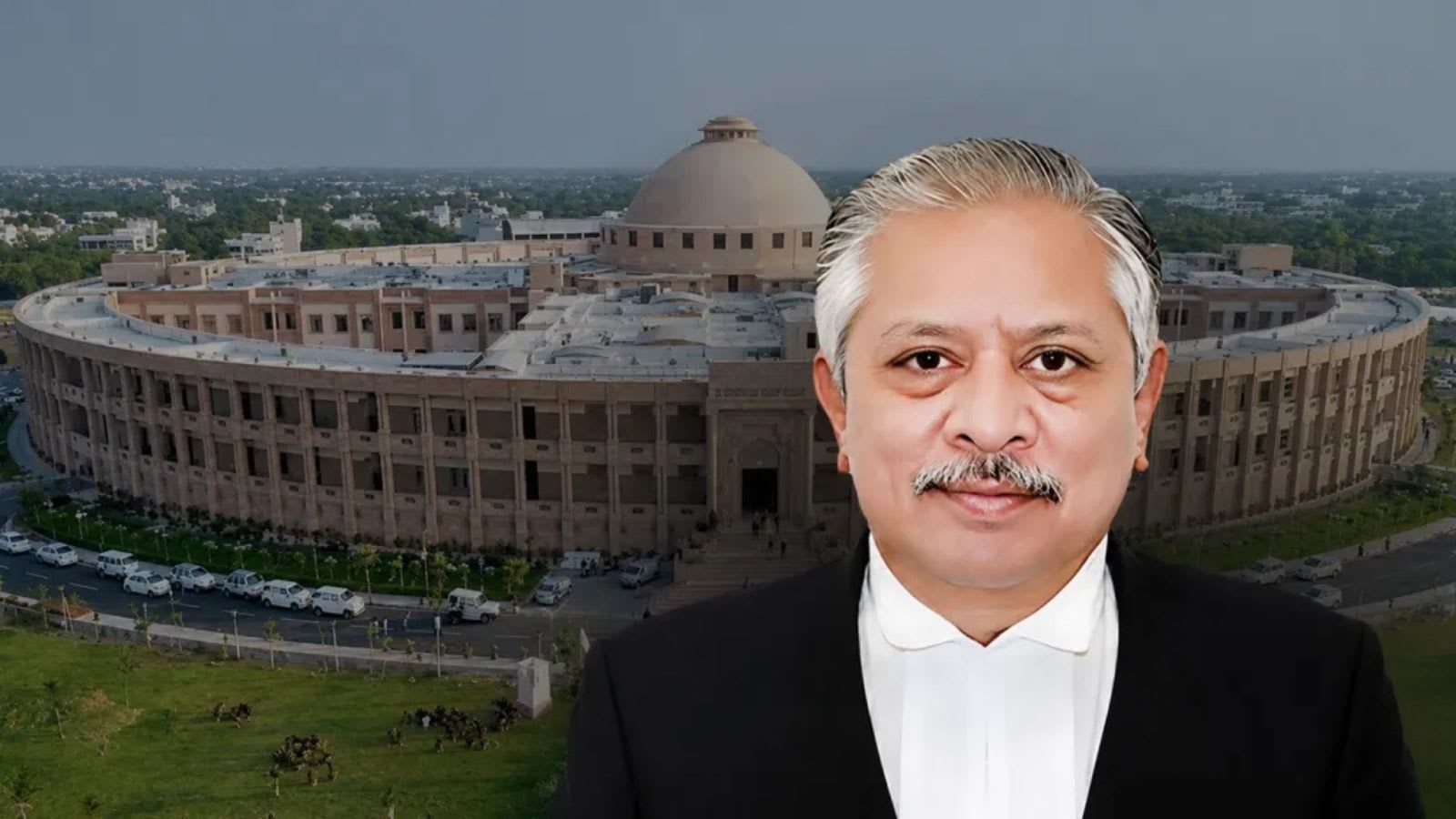
Former acting Chief Justice of the Rajasthan High Court, Sanjeev Prakash Sharma, has rejected allegations made by Supreme Court Justice Sandeep Mehta. Sharma claims the accusations are driven by professional jealousy and maintains that Justice Mehta overstepped his authority by intervening in High Court matters.
The Rajasthan High Court Controversy: A Judicial Clash
The recent public rebuttal by Justice (retd) Sanjeev Prakash Sharma, the former acting Chief Justice of the Rajasthan High Court, marks a significant moment of internal friction within the Indian judiciary. The controversy centers on accusations leveled against Justice Sharma by Supreme Court Justice Sandeep Mehta, which were detailed in a series of letters to the Chief Justice of India and the Supreme Court Collegium. This public exchange highlights the delicate balance of power between the higher judiciary and the High Courts.
The Allegation of 'Professional Jealousy'
Justice Sharma has explicitly characterized the actions of Justice Mehta as being rooted in "professional jealousy." By bringing these grievances into the public domain through an exclusive interview, Sharma is challenging the internal mechanisms of judicial accountability. He asserts that Justice Mehta lacked the jurisdictional mandate to intervene in the administrative and judicial matters of the Rajasthan High Court, a claim that underscores the boundaries of judicial oversight and institutional independence.
Intervention and Alleged Instigation
Perhaps the most striking element of this dispute is the allegation that Justice Mehta actively instigated members of the legal fraternity in Rajasthan to engage in protests. For a Supreme Court judge to be accused of mobilizing lawyers against a sitting High Court judge suggests a deep-seated institutional conflict. This claim raises critical questions regarding the decorum expected of those in the highest echelons of the judiciary and the potential for such interventions to disrupt the functioning of the legal system.
The Demand for Due Process
Central to Justice Sharma’s defense is his demand for the right to cross-examine Justice Mehta. This request highlights a fundamental concern regarding natural justice within the judiciary. If allegations are being processed by the Collegium, the accused judge believes that the standard of transparency—specifically the ability to confront one's accuser—must be upheld to ensure that the process is not merely punitive but fair and fact-based.
Broader Implications for Judicial Governance
This standoff reflects broader systemic challenges regarding how the judiciary manages internal dissent and administrative disputes. When members of the Supreme Court and High Courts engage in public or semi-public conflicts, it risks undermining public trust in the judiciary. The fact that these complaints were originally directed to the Chief Justice of India indicates that the internal grievance resolution mechanisms are being tested by these high-profile interpersonal tensions.
Future Trends and Judicial Stability
The resolution of this matter will likely set a precedent for how future complaints between judges are handled. As the Supreme Court Collegium continues to manage appointments and administrative discipline, it must navigate these interpersonal dynamics to ensure that institutional cohesion remains intact. Future trends suggest a need for more robust, private, and efficient internal conflict resolution protocols to prevent such disputes from spilling over into public discourse, which can be detrimental to the image of the institution as a whole.