Exclusive: Chamoli admin blames Army for Badrinath festival – but its own orders show it coordinated event
Source Entity
Vidheesha Kuntamalla
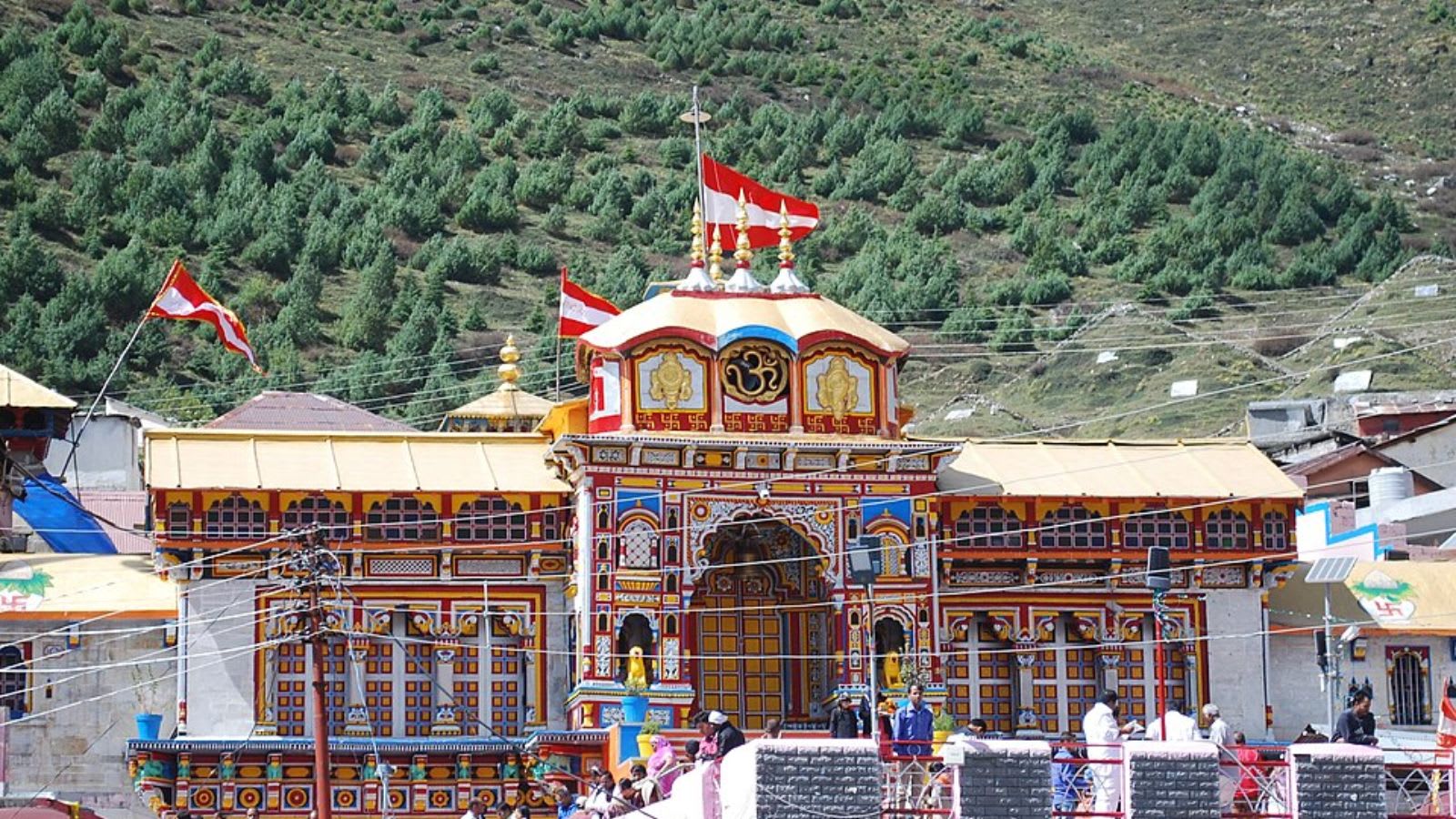
The Chamoli administration is facing scrutiny after attempting to distance itself from the Badrinath 'Devbhoomi Cultural Festival' despite documents showing they coordinated the event. While the district administration has sought explanations from the Army, the military claims no such communication has been received.
Administrative Accountability in Badrinath
The recent controversy surrounding the 'Devbhoomi Cultural Festival' at the Badrinath shrine highlights a significant breakdown in communication and accountability between local civil authorities and the Indian Army. Following public backlash regarding the nature of music and dance performances held at the sacred site, the Chamoli district administration attempted to distance itself from the event. By issuing a formal letter seeking an explanation from the Army, the administration appeared to shift the burden of responsibility for the festival's content and execution.
Documented Coordination vs. Public Stance
Contradicting the administration’s attempt to deflect blame, internal documents reveal that the Chamoli district administration was actively involved in coordinating the two-day festival. The discrepancy between these administrative records and the subsequent public posture taken by the district officials raises serious questions about transparency and governance. When civil authorities orchestrate events at sensitive religious sites, they are expected to maintain oversight; attempting to retroactively attribute blame to military partners undermines institutional trust.
The Role of Stakeholder Communication
Army sources have categorically stated that the program was conducted with the full knowledge of all relevant stakeholders, including the district administration. Crucially, the Army reports that it has yet to receive any formal communication from the District Magistrate regarding the inquiry. This delay—or total absence—of official correspondence suggests a performative aspect to the administration's actions, likely intended to appease critics rather than address the procedural realities of the event.
Religious Sensitivity and Public Oversight
Badrinath remains one of the most revered pilgrimage sites in India, and any cultural event held within its vicinity is subject to intense public scrutiny regarding decorum and traditional sanctity. The backlash over the festival’s performances indicates that the public expects a high degree of sensitivity from event organizers. By failing to acknowledge their coordinating role, the local administration has inadvertently exacerbated the controversy, turning a localized event into a broader debate on bureaucratic accountability.
Future Implications for Institutional Cooperation
This incident serves as a cautionary tale for future civil-military cooperation in sensitive regions. When local administrations engage the Indian Army for cultural initiatives, clear delineations of responsibility and transparent communication are essential to prevent public relations crises. Moving forward, the Chamoli administration will likely face increased pressure to clarify its role and explain the disconnect between its documented involvement and its public-facing communication strategy.
Conclusion
In summary, the situation in Chamoli underscores the risks of administrative deflection in the face of public criticism. As the facts stand, the administration’s attempt to distance itself from the Devbhoomi Cultural Festival is undermined by its own records. Unless there is a transparent reconciliation of these conflicting narratives, the credibility of the district administration remains at risk, particularly in its ongoing interactions with the Indian Army and the local public.