Antilia bomb scare case: Why Sachin Vaze’s bail lasted a day | Explained
Source Entity
India Latest News: Top National Headlines Today & Breaking News | The Hindu
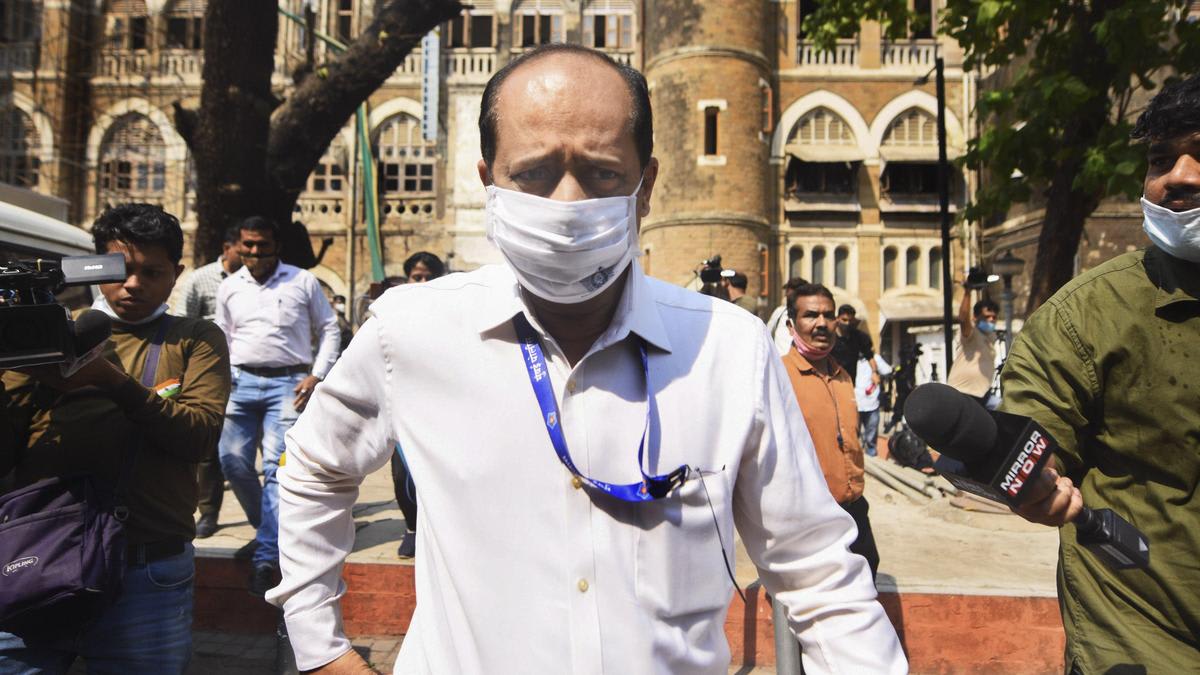
Former police officer Sachin Vaze, accused in the 2021 Antilia bomb scare and Mansukh Hiran murder, had his recent bail order stayed by the Bombay High Court. He remains in custody until at least October 7, pending an NIA appeal regarding terrorism charges.
The Legal Turbulence Surrounding the Antilia Case
The legal proceedings involving former police officer Sachin Vaze reached a critical juncture this week as the Bombay High Court intervened to stay a lower court's bail order. Vaze, a central figure in the 2021 Antilia bomb scare—an incident involving the placement of explosives near the residence of industrialist Mukesh Ambani—and the subsequent murder of Mansukh Hiran, was briefly granted bail by a Special Court on September 29, 2026. However, this reprieve was short-lived, as the High Court paused the release just one day later on September 30, keeping Vaze incarcerated in Thane Central Prison.
Understanding the Antilia Case Background
The 2021 Antilia incident sent shockwaves through India’s security and political landscape. The discovery of an explosives-laden vehicle near the residence of one of the world's wealthiest individuals raised immediate concerns regarding urban security and the potential for high-profile intimidation. The complexity of the case deepened following the death of Mansukh Hiran, a businessman linked to the vehicle, which transformed a localized security breach into a multi-layered criminal investigation involving allegations of police collusion and extrajudicial violence.
The Role of the National Investigation Agency
The National Investigation Agency (NIA) has been the primary agency spearheading the probe into these events. By invoking specific anti-terror statutes, the NIA has consistently argued that Vaze’s actions transcend standard criminal conduct, characterizing them as acts of terror designed to create widespread panic and disrupt public order. The upcoming hearing on October 7 is pivotal, as it will determine whether the judiciary agrees with the NIA’s classification of these acts as terrorism, a distinction that carries significant weight regarding bail eligibility and sentencing.
The Judicial Conflict and Future Implications
The rapid reversal of the bail order highlights the inherent tension between the lower court's assessment of Vaze's detention period and the High Court's caution regarding the severity of the charges. For the judiciary, the challenge lies in balancing the rights of the accused against the state's mandate to prosecute high-stakes national security threats. The stay of the bail order indicates that the High Court intends to conduct a thorough review of the evidence before allowing the release of a high-profile defendant accused of such grave crimes.
Looking Toward the October 7 Hearing
As the October 7 hearing approaches, the legal focus will shift toward the specific arguments presented by the NIA in its appeal. The outcome of this session will not only dictate Vaze’s immediate future but will also set a legal precedent for how the court views police involvement in terror-related conspiracies. This case remains a landmark study in the intersection of law enforcement accountability, judicial oversight, and the rigorous application of anti-terrorism laws in India.
Verification Required?