Why Maharashtra’s forensic labs are struggling to keep pace with casework? | Explained
Source Entity
India Latest News: Top National Headlines Today & Breaking News | The Hindu
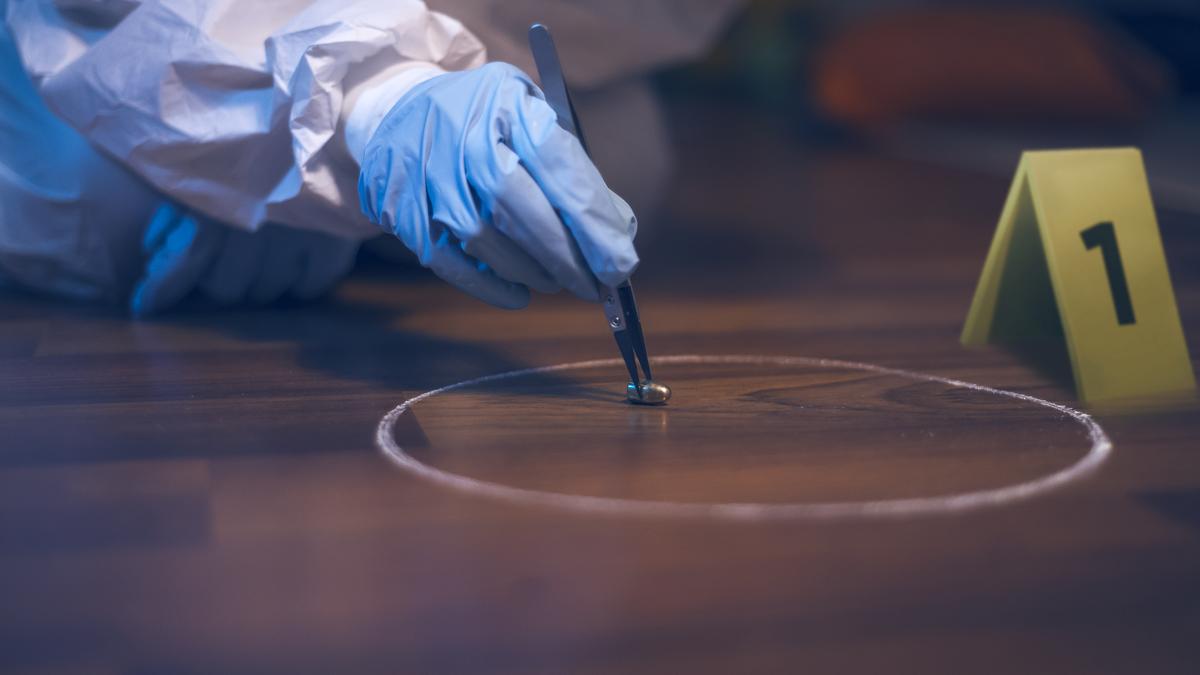
Maharashtra’s forensic laboratories are facing a critical backlog of nearly 55,000 cases, primarily driven by surges in cybercrime and speaker identification requests. This systemic delay significantly hinders the judicial process, prompting urgent calls for infrastructure and staffing upgrades.
The Crisis in Maharashtra’s Forensic Infrastructure
The judicial landscape in Maharashtra is currently grappling with a significant administrative bottleneck as the state’s forensic laboratories report a staggering backlog of 54,897 pending cases as of September 1. This massive volume of unresolved casework, managed by the Directorate of Forensic Science Laboratories (DFSL), highlights a systemic inability to keep pace with the modern demands of criminal investigation and legal proceedings.
The Dominance of Digital and Specialized Forensics
The data reveals that the crisis is not spread evenly across all forensic disciplines but is concentrated in highly specialized sectors. Cyber Forensics and Tape Authentication and Speaker Identification (TASI) units together account for 39,432 cases, representing nearly 72% of the total state backlog. This concentration suggests that the state’s investigative machinery is struggling to adapt to the rapid digitalization of crime, where evidence collection increasingly relies on complex electronic data retrieval and analysis.
Diverging Trends in Case Management
While the total forensic backlog showed signs of marginal improvement in August, the specific sectors of Cyber Forensics and TASI continued to see an increase in pendency. For instance, the Cyber division opened August with 29,535 cases, a number that grew throughout the month. This divergence indicates that current resource allocation strategies are insufficient to manage the specific influx of digital evidence, even while other, more traditional forensic departments may be making incremental progress.
Impact on the Judicial System
The broader implications of this backlog are profound, as the integrity of the judicial process relies heavily on the timely submission of forensic reports. When reports on cyber-evidence or speaker identification are delayed, trials are postponed, suspects remain in legal limbo, and the conviction rates for high-tech crimes are negatively impacted. The inability to process evidence efficiently undermines the fundamental right to a speedy trial and complicates the state’s efforts to maintain law and order in an era of sophisticated criminal activity.
Future Outlook and Structural Reform
To address this crisis, the Maharashtra government must move beyond incremental adjustments and consider fundamental structural reforms. This includes not only increasing the hiring of specialized forensic experts but also investing in advanced automated analytical tools that can handle large volumes of digital data. Without a significant infusion of capital and technology specifically targeted at the Cyber and TASI divisions, the backlog is likely to persist, further burdening an already strained legal system.
Conclusion
In summary, the 55,000 pending forensic cases in Maharashtra represent a critical challenge that necessitates immediate policy intervention. By identifying that the vast majority of these delays stem from digital and audio-based forensics, the state has a clear path forward: prioritizing the modernization of these specific laboratories. Bridging the gap between the speed of criminal activity and the speed of forensic analysis is essential for restoring efficiency to the state's criminal justice system.
Verification Required?