Rainfall 4th lowest since 2001: Monsoon deficit at 13%, officially a drought year
Source Entity
VISHWA MOHAN
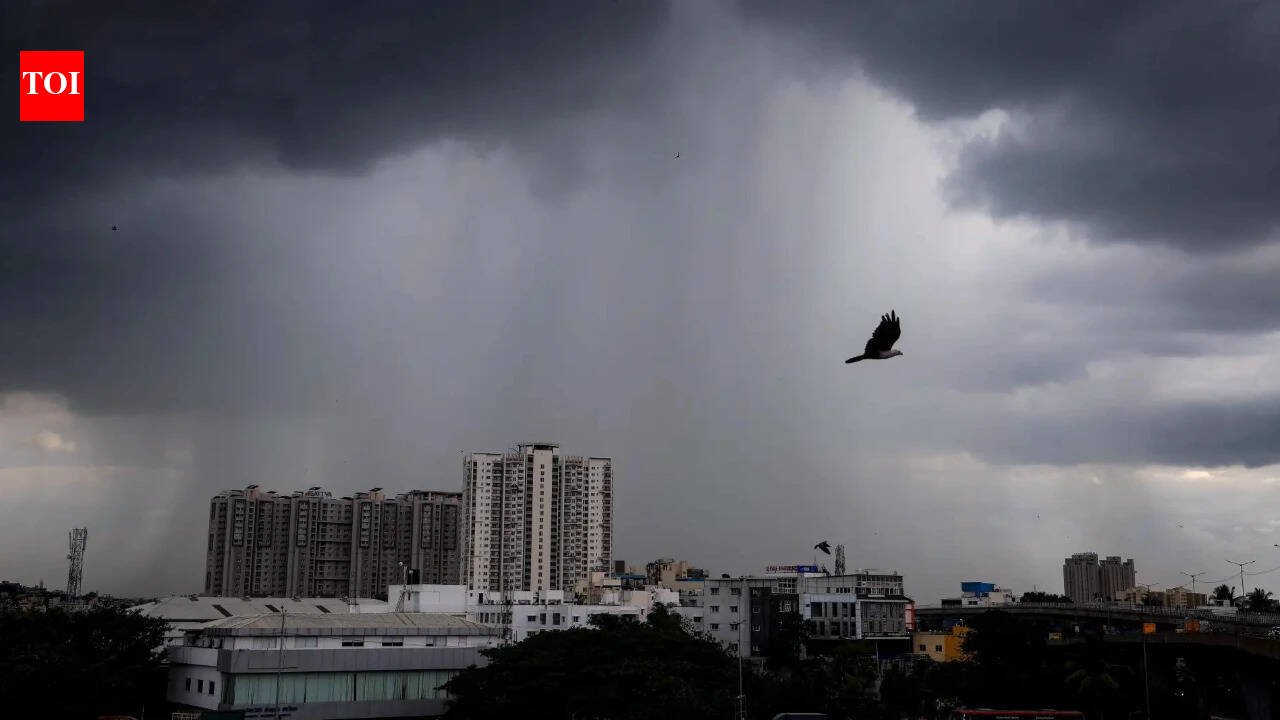
India is facing significant water stress as Chandigarh records its driest September in three years and Mumbai's reservoirs fail to hit full capacity. The El-Niño phenomenon is being cited as a primary driver for these rainfall deficits, prompting authorities to consider urban water cuts and drought mitigation strategies.
The Expanding Water Crisis: A Meteorological and Administrative Overview
Recent meteorological data and administrative reports indicate a growing water crisis across India, characterized by erratic monsoon patterns and declining reservoir levels. In Chandigarh, the India Meteorological Department (IMD) reported that September concluded with 132.2 mm of rainfall. While this figure technically hovered near the normal threshold of 131.4 mm, it marks the driest September for the city in three years, following the significantly lower 52.8 mm recorded in 2023. Cumulatively, Chandigarh has received 710.8 mm of rain since June, which sits 15.9% below the seasonal norm.
The Impact of El-Niño on Regional Precipitation
Experts, including IMD Chandigarh director Surender Paul, have identified the El-Niño climatic pattern as a primary catalyst for these subdued rainfall levels. El-Niño typically alters global weather systems, often leading to suppressed rainfall across parts of India. This phenomenon, combined with an early withdrawal of the monsoon, has disrupted the expected hydrological replenishment cycles that urban centers rely upon to sustain their water tables and reservoir stocks.
Mumbai’s Reservoir Challenges
The situation is arguably more acute in Mumbai, where the Brihanmumbai Municipal Corporation (BMC) has reported that the seven lakes supplying the city failed to reach 100% capacity this year. This is a stark contrast to previous years, where stocks stood at 97.57% and 99.09% during the same period. Additional Municipal Commissioner Abhijit Bangar has warned that current stocks are projected to last only until May, necessitating a 10% water cut that has already been under implementation.
Administrative Responses and Drought Mitigation
In response to the mounting pressure, the Maharashtra state government has declared a drought in 265 tehsils. The state cabinet sub-committee on drought mitigation is actively debating stringent measures, including potential urban water supply cuts and construction restrictions in water-scarce zones. Simultaneously, the state has proposed a Rs 6,728 crore investment under the employment guarantee scheme to provide economic stability to the rural population currently suffering from agrarian distress.
Future Trends and Sustainability Concerns
Looking forward, the reliance on monsoon-dependent reservoir systems leaves major Indian cities vulnerable to climate-induced variability. As El-Niño conditions continue to influence regional weather, the shift from reactive water cuts to proactive, sustainable water management will become essential. The combination of failing reservoir levels and increased urban demand suggests that municipalities will need to invest heavily in water conservation, desalination, or alternative water-sourcing technologies to prevent future crises.
Concluding Summary
The convergence of below-average rainfall in Chandigarh and the critical reservoir shortages in Mumbai highlights a systemic water security challenge. With the government forced to balance immediate water rationing with the need for rural economic relief, the coming months will be a test of India's adaptive capacity in the face of shifting climatic norms.
Multiple Citing Sources